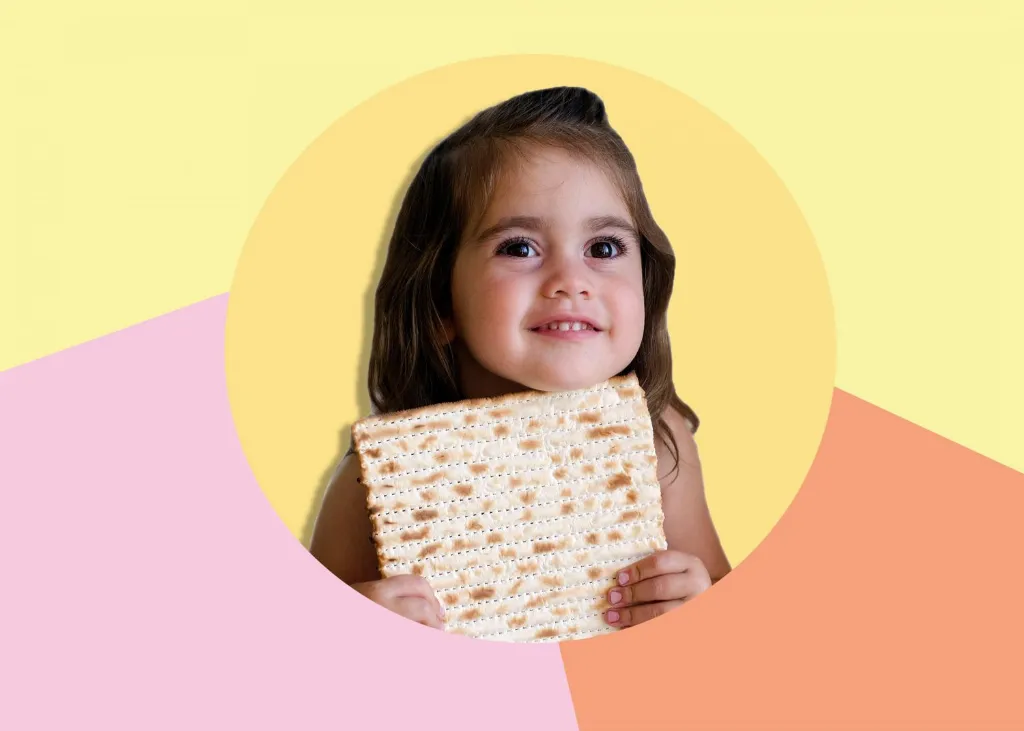
 Passover (also called Pesach) is a spring holiday celebrated in many Jewish families. In childcare, you can explore Passover in a way that feels warm, simple, and inclusive even if not every family celebrates it. The goal is to help children learn about family traditions, springtime, and freedom in a kind, age-appropriate way. #Passover #InclusiveClassroom
Want ready-to-use classroom ideas? Start here:
Passover Classroom Activities Buy Now $0.00
What is Passover, and how can I explain it to kids?
Passover is a Jewish holiday that remembers a story about freedom and hope. Many families celebrate with a special meal called a Seder, where they share the story, sing, and eat special foods.
Keep your explanation short and simple:
-
“Passover is a holiday some families celebrate.”
-
“It happens in spring.”
-
“Families may tell a story and share a special meal.”
-
“In our classroom, we learn about many families and traditions.” #ChildCare
How can I teach Passover in childcare without excluding anyone?
You don’t need to make it a big lesson. The best plan is respect + choice.
Use these easy tips:
-
Say “Some families…” instead of “Everyone…”
-
Keep activities optional and welcoming
-
Focus on big ideas kids understand: family, helping, freedom, spring
-
Avoid asking a child to “teach the class” about their religion
-
Skip food activities unless you have permission (allergies and family preferences matter)
What Passover activities work for toddlers, preschoolers, and school-age kids?
Use the same theme, but change the level. That way, your whole program can join in.
Toddlers (1–2): Simple, sensory, and short
Toddlers learn best through touch, movement, and repeating routines.
Try:
-
Spring color sorting: green leaves, blue paper “water,” brown paper “path”
-
“Family meal” dramatic play: plates, cups, napkins, pretend food
-
Story time with pictures: point and name items (plate, cup, family)
-
Movement: march, stop, breathe (great for self-control)
What to say:
-
“Some families celebrate Passover.”
-
“Families share food and stories.”
-
“We can be kind and welcoming.”
Preschool (3–5): Hands-on learning + friendship
Preschoolers can talk about feelings and fairness in simple ways.
Try:
-
“Same and different” people art: children decorate paper people with different hair, skin tones, glasses, etc.
-
Kindness chain: each child adds a strip that says (or shows) one kind act:
-
“Share.”
-
“Help.”
-
“Invite.”
-
“Take turns.”
-
-
Spring collage: flowers, birds, baby animals = “new beginnings”
Teacher language:
-
“We all belong.”
-
“We can learn about many families.”
-
“Freedom means people should be treated fairly.” #EarlyChildhood
School-age (5+): Deeper thinking + leadership
School-age children can explore traditions with more detail and responsibility.
Try:
-
Traditions interview: “Ask a grown-up: What’s one tradition our family has?”
-
Sequence the story (simple): first/then/last using picture cards
-
Map moment: show where Israel is on a map (1–2 minutes only)
-
Service project: write thank-you notes to helpers (bus drivers, cafeteria staff, teachers)
Tip: Keep the tone positive and respectful. Focus on values like helping, courage, and community.
What are easy circle time ideas for Passover (all ages)?
Circle time should be short, calm, and consistent.
Simple circle time plan (8–10 minutes):
-
Greeting
-
One sentence about Passover
-
Quick story or picture
-
Movement
-
Closing kindness message
Circle time script (kid-friendly):
-
“Today we’re learning about Passover.”
-
“Some families celebrate it in spring.”
-
“Families may tell a story about freedom and share a special meal.”
-
“In our classroom, everyone belongs.” #Belonging
Quick circle time activities:
-
Picture walk: show spring flowers + a family meal photo + a book
-
Many ways to say hello: wave, fist bump, sign “hello,” whisper hello
-
Feelings check: kids point to a feelings card (happy, calm, tired)
What crafts feel “sweet” and meaningful (not complicated)?
Keep crafts simple, skill-building, and fun.
Craft ideas that work across ages:
-
Paper plate “celebration plate” (toddlers: stickers; preschool: drawing; school-age: patterns and words)
-
Spring window art (tissue paper + contact paper)
-
“Welcome” door sign (decorate and practice kindness: “Welcome, friends!”)
-
Pattern strips (ABAB with colors—great fine-motor practice)
If you want a quick, ready-made set of ideas, this resource makes planning easier:
Passover Classroom Activities Buy Now $0.00
What books should I choose for Passover activities with kids?
Choose books that are:
-
Short and picture-rich for younger children
-
Gentle and hopeful (not scary)
-
Focused on family traditions and storytelling
Book themes to look for:
-
“Passover for kids”
-
“Spring traditions”
-
“Family celebrations”
-
“Helping others” #StoryTime
Tip for English learners: preview pictures first and teach 2–3 key words:
-
tradition, spring, family, freedom
How can I include families respectfully?
Keep it optional and welcoming.
Try a message like:
-
“We are learning about spring traditions, including Passover. If your family would like to share a song, a book, or a photo of a tradition, you are welcome only if you want.”
You can also do a Family Traditions Wall where families share any tradition (holiday, weekend routine, special food, music).
What ChildCareEd training can help with inclusive celebrations?
These ChildCareEd courses support cultural learning and family partnerships:

- Mysteries of Challenging Behavior Solved
- SIDS: Saving Babies: A Change of Position, A Change in Tradition
- Viewing Guidance in a Positive Light
- SIDS: Saving Babies: A Change of Position, A Change in Tradition
- Play Safe, Think Big: Literacy Through Play
- 24 Hour Texas Pre-Service
- Art from the Heart for Preschoolers: Open Ended Art Projects that Build Self-Esteem
- Potty Training Made Simple
- Supporting School Age Development ONLINE
- 45-Hour Infant and Toddler Curriculum
- Juneteenth History and Activities
- Celebrate Juneteenth in Baltimore
- Celebrate New Beginnings with ChildCareEd: Renew Your Credentials This Passover
- How to boost fine motor skills: Holiday Edition
- How Neurodivergent Kids Shine During the Holidays
- DIY Snow Globes: The Fine Motor Craft That’ll Keep Kids (and Adults) Busy for Hours
- Pizza or Kale Chips? Kid-Friendly Nutrition Tips to Start the Year Right
- ¿Cuáles son las mejores actividades del Día de la Tierra para niños en casa o en el aula?
- ¿Cómo puedo usar escenarios de juego de roles de primeros auxilios en mi aula?
- ¿Cómo afecta la dopamina a los niños: señales, efectos e influencias diarias?
- Actividades de Otoño Fáciles para Preescolares esta Temporada
- Fourth of July Craft Ideas for Preschool and Child Care
- Pool Noodle Sea Creatures: A Fun Ocean Craft for Preschoolers
- Easy Pool Noodle Sea Creatures for Ocean Theme Activities
- Summer Crafts and Activities for Preschool Classrooms
- How can friendly-monster crafts teach children about feelings?
- How can childcare programs meaningfully explore Japanese culture with young children?
- How can I introduce the Festival of Lights to young children in respectful, developmentally appropriate ways?
- Snip, Stick, Celebrate! What Easy Labor Day Crafts Can Toddlers Make?
- Mawlid Around the World: How Kids Can Explore Different Traditions and Celebrations
