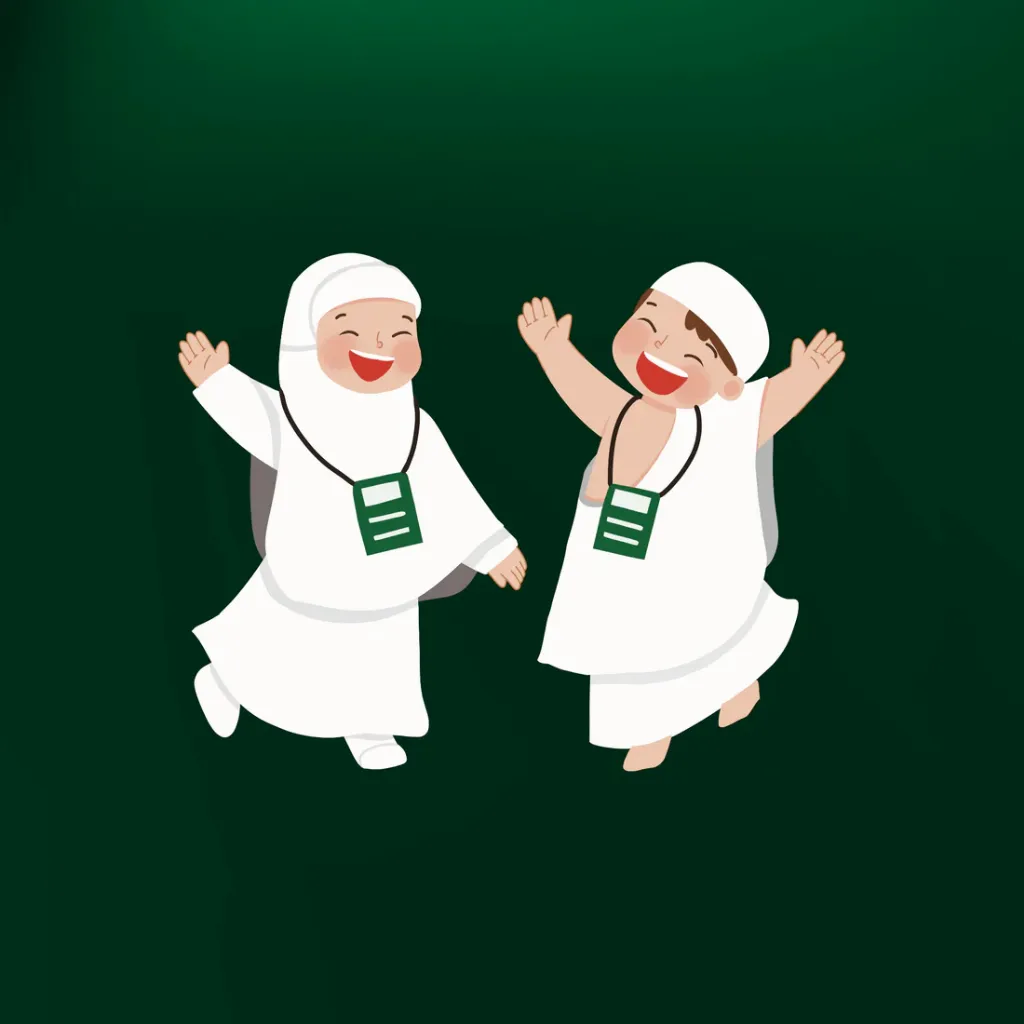
 Hajj is one of the biggest events in Islam. During Hajj, Muslims travel to Makkah (Mecca) in Saudi Arabia for a special pilgrimage (a religious journey). In childcare, we can teach about Hajj in a kind, simple, age-appropriate way—without reenacting religious rituals. Instead, we focus on themes children understand: community, teamwork, patience, kindness, and respect for family traditions.
Want a ready-to-use activity guide? Start with this ChildCareEd resource:
https://www.childcareed.com/r-00810-hajj-activities-for-children.html Buy Now $0.00
What is Hajj in kid-friendly words?
You can explain Hajj with one or two calm sentences:
-
“Hajj is a special trip some Muslim families take.”
-
“It is a time for prayer, kindness, and being part of a community.”
If children ask “Where do people go?” you can say:
-
“They go to a holy city called Makkah (Mecca).”
If children ask “When is it?” you can say:
-
“Hajj happens once a year on a lunar (moon) calendar, so it moves each year on our calendar.”
How can childcare programs teach about Hajj respectfully and inclusively?
In mixed-faith classrooms, the goal is to include, not to pressure anyone. The easiest tool is your wording.
Use:
-
“Some families celebrate…”
-
“Some people travel…”
-
“We learn about many traditions in our classroom.” #InclusiveClassroom
Avoid:
-
Asking one child to “teach the class” about their religion
-
Sharing private family details
-
Reenacting rituals (ChildCareEd recommends focusing on themes like kindness and teamwork without reenacting rituals)
A helpful mindset is: teach culture + values, not “perfect details.”
What are the best Hajj themes for early learners?
These themes are safe, positive, and easy for kids to understand:
-
Community: people come together respectfully
-
Teamwork: families help each other
-
Patience: waiting calmly and taking turns
-
Kindness: helping others and using gentle words
-
Equality: people dress simply and focus on togetherness (for older kids, keep it simple)
You can tie these themes to your everyday classroom expectations:
-
“We use kind words.”
-
“We help our friends.”
-
“We wait our turn.” #ChildCare
What kid-friendly Hajj activities work well in daycare and preschool?
These ideas keep the focus on learning and belonging, and they work for many ages.
1) “Community Helpers” suitcase play
Set up a small dramatic play area with:
-
a toy suitcase or backpack
-
water bottle (pretend)
-
simple picture cards of “travel” items
-
a map picture (optional)
Talk about:
-
“Some families travel far away.”
-
“We can be helpers when we travel or when we are together.”
2) Kindness bracelet or “helper badge”
Give children beads or paper strips to make a bracelet/badge that says:
-
“Helper”
-
“Kind Friend”
-
“Teamwork”
Keep it flexible for all families.
3) Patience practice games
Hajj involves a lot of waiting and moving with crowds, so “patience” is a great classroom skill tie-in.
Play:
-
Red Light/Green Light
-
“Freeze dance” (stop and go)
-
Turn-taking board games
Say: “Patience helps our classroom feel safe and calm.” #TeacherTips
4) “Many people, one community” collage
Children cut or glue pictures of people working together:
-
families
-
helpers
-
friends sharing
Title it: “We Belong Together.”
What activities work best by age group?
Use one theme (kindness + community), then adjust the steps.
Infants and young toddlers
Keep it short and sensory:
-
Look at photos of families and people together
-
Gentle music + rocking (calm routine)
-
“Hello” waves and smiles (community building)
Simple language:
-
“We are friends.”
-
“We are kind.”
Toddlers (1–2)
Try:
-
Sticker “helper badges”
-
Pretend travel with a backpack
-
Simple sorting: “same/different” scarves or shapes
Keep activities 3–7 minutes at a time.
Preschool (3–5)
Try:
-
Community collage
-
Patience games
-
Classroom “helping hands” chart (kids name ways to help)
Ask simple questions:
-
“How can we help a friend?”
-
“What does kindness look like?”
School-age
Try:
-
Make a “community agreement” poster
-
Write gratitude notes to helpers
-
Map activity: find Saudi Arabia and talk about travel (keep it respectful and brief)
What are easy circle time ideas for teaching about Hajj?
Circle time should feel calm, short, and predictable (8–10 minutes).
Circle time mini-script:
-
“Today we’re learning about Hajj.”
-
“Hajj is a special trip some Muslim families take.”
-
“We can learn about it by practicing kindness, teamwork, and patience.”
Quick circle time activities:
-
Many ways to greet: wave, elbow tap, sign “hello”
-
Teamwork challenge: pass a soft ball around the circle with gentle hands
-
Kindness question: “What is one kind thing you can do today?”
What books should I choose to support learning about Hajj?
Choose books that are:
-
picture-rich
-
respectful
-
focused on family traditions, travel, and community
If you can, preview books first and look for language that feels warm and clear.
Tip for children learning English:
-
do a picture walk first (“What do you notice?”)
-
teach 2–3 words: travel, community, kindness
How can I communicate with families about Hajj activities?
A simple note helps families feel respected.
Try:
-
“This week we are learning about community and kindness. We’ll also learn that some families observe Hajj, a special journey in Islam. Activities are optional, and we will keep them age-appropriate and inclusive.” #FamilyEngagement
What ChildCareEd training can help staff teach cultural traditions respectfully?
These ChildCareEd courses connect well to inclusive cultural learning and family communication:
-
Bridging Cultures: Family Communication & Collaboration
 Buy Now $55.00
 -
Access for All: Inclusion and the ADA (online)
Buy Now $16.00
If you want an inclusion-focused article to share with your team, this one is a strong fit:
https://www.childcareed.com/a/holiday-cheer-without-the-tears-how-educators-can-create-joyful-inclusive-celebrations.html
- SIDS: Saving Babies: A Change of Position, A Change in Tradition
- SIDS: Saving Babies: A Change of Position, A Change in Tradition
- Diversity, Equity, and Inclusion in Education: For Workforce Solutions
- From Tantrums to Triumphs: Equipping Preschoolers with Self-Regulation Skills
- Moving About the Classroom: Effective Transitions for Everyday
- Diversity, Equity, and Inclusion in Education
- Creating Environments that Nurture Growth and Community
- Diversity, Equity, and Inclusion in Education
- Moving About the Classroom: Effective Transitions for Everyday
- CDA Certification en Español: Recursos y Consejos para Educadores Bilingües
- ❄️ ¿Qué actividades al aire libre funcionan bien para los niños de Illinois en cada estación? 🌷🍂
- 📚 ¿Qué capacitaciones se requieren para el personal de cuidado infantil en California?
- Hajj in the Classroom: A Gentle Way to Teach Community and Faith Traditions
- 10 Ejemplos de Cómo la Cultura Influye en el Desarrollo Infantil
- Proporciones de Cuidado Infantil y Tamaños de Grupo por Edad en Nueva Jersey (Guía Rápida para Centros y Hogares)
- ¿Cuál es la Diferencia Entre la Crianza Respetuosa y la Crianza Permisiva?
- Consejos de Supervisión Activa para Salones de Preescolar y el Juego al Aire Libre
- 7 Estrategias de Supervisión Activa para un Cuidado Infantil Más Seguro
- Retraso del Habla en la Guardería: Cómo Pueden Ayudar los Proveedores
- Cómo Trabajar en el Cuidado Infantil en Carolina del Norte: Requisitos y Pasos
- Cómo Trabajar en el Cuidado Infantil en California: Requisitos y Pasos
- Cómo Ser Maestra de Preescolar en Illinois
- Cómo Ser Maestra de Preescolar en California
- Cómo Ser Maestra de Preescolar en Maryland
- Cómo Ser Maestra de Preescolar en Carolina del Norte
- Cómo Ser Maestra de Preescolar en Virginia
- Capacitación CDA gratuita en Illinois
- Mawlid Around the World: How Kids Can Explore Different Traditions and Celebrations
- Proporciones para guarderías en casa bajo el Título 22: Cómo la mezcla de edades cambia su capacidad en California
