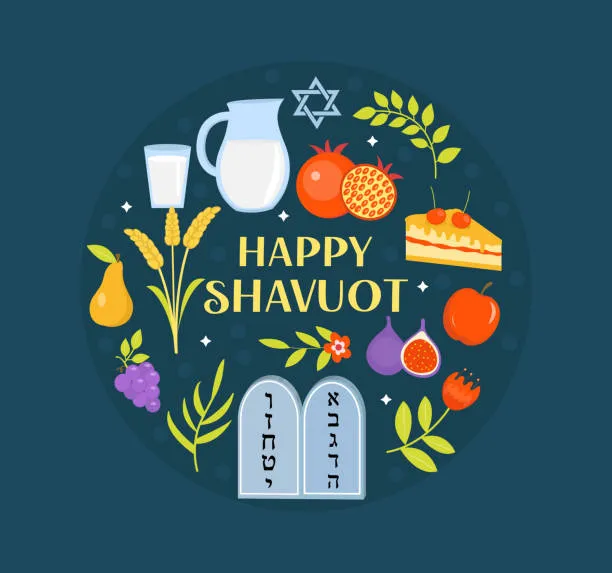
 Shavuot is a Jewish holiday that many families celebrate in late spring or early summer. In childcare, Shavuot is a sweet chance to explore learning, gratitude, flowers, and the harvest in a way that feels fun and welcoming for everyone. You don’t need a long lesson. You can do Shavuot in kid-sized moments—through stories, nature, art, and pretend play. #Shavuot #InclusiveClassroom
Want a ready-to-use activity pack? Start here: Shavuot Classroom Activities Buy Now $0.00
What is Shavuot (and what is Mount Sinai) in kid-friendly words?
Shavuot is connected to a story in Judaism about the Torah (teachings) being given at Mount Sinai. For young children, you can keep it simple:
-
“Shavuot is a holiday some families celebrate.”
-
“It’s about learning important lessons and being thankful.”
-
“Some families decorate with flowers and enjoy special foods.”
ChildCareEd’s Shavuot resource also highlights these kid-friendly themes: learning, gratitude, flowers, and harvest/first fruits.
How do I talk about Shavuot in a classroom with many cultures and religions?
The easiest way to keep it inclusive is to use “some families” language and focus on shared values.
Try:
-
“Some families celebrate Shavuot.”
-
“This is a time to celebrate learning and being thankful.”
-
“In our classroom, we learn about many family traditions.” #ChildCare
Avoid:
-
Asking one child to “teach the class” about their religion
-
Making it feel like everyone must participate the same way
-
Turning it into stereotypes
If you want a simple, clear overview you can share with staff, this ChildCareEd article includes Shavuot in a broader culture-learning approach: https://www.childcareed.com/a/what-is-shavuot-eid-al-adha-juneteenth.html.
What makes Shavuot activities feel different (and fun) in childcare?
Instead of “one craft for everyone,” try a Shavuot Story Time Path—children move through playful stations. This keeps energy high and helps different ages join in.
Think: story → nature → build → taste (optional) → gratitude
Here are fresh station ideas that feel hands-on and new.
How can I turn Shavuot into a “Story Time Path” with stations?
Set up 4–5 simple stations. Children rotate in small groups, or you open them as choice centers all week.
Station 1: Mountain Moment (blocks + imagination)
-
Build a “mountain” with blocks, pillows, or cardboard
-
Add people figures or animals
-
Teacher says: “In a story, people gathered near a mountain to learn important lessons.”
Station 2: Flower & Greenery Studio (nature + art)
Shavuot is often decorated with flowers and greenery.
-
Make a flower collage with paper shapes
-
Or do leaf rubbings with crayons
-
Or create a “classroom garden wall” (each child adds one flower)
Station 3: First Fruits Market (dramatic play)
Shavuot connects to harvest/first fruits themes.
Set up a pretend market:
-
Play fruits/veggies, baskets, paper “coins,” a scale
-
Kids practice: sharing, turn-taking, counting, sorting
Station 4: Learning Scrolls (literacy + fine motor)
Make simple “scrolls” using paper and tape:
-
Preschoolers draw “rules for kindness”
-
School-age kids write short gratitude notes
-
Toddlers can stamp or sticker-decorate
Station 5: Gratitude Corner (calm + feelings)
-
A small basket of “thank you” picture cards (family, food, teachers, friends)
-
Kids choose one and finish: “I’m thankful for ____.” #Gratitude
What Shavuot activities work best for toddlers, preschool, and school-age kids?
Use the same themes—just adjust the steps.
Toddlers (1–2): short, sensory, and simple
-
Sticker flowers on paper
-
“Market play” with pretend fruit and baskets
-
A quick “thank you” song with motions
-
One sentence teaching: “We can be thankful.”
Keep activities 3–7 minutes and repeat them (toddlers love repetition).
Preschool (3–5): hands-on + talk time
-
Build a class mountain together and name “kind rules”
-
Sort fruits by color and size (math!)
-
Make paper flowers with tissue paper
-
Create a class book: “In our class, we learn by…”
Preschoolers do great with simple questions:
-
“What do you notice?”
-
“How can we help a friend learn?”
-
“What are you thankful for today?”
School-age: leadership + real connections
-
Let kids run the “market” and make price tags
-
Create a gratitude chain for the hallway
-
Make a “learning pledge” poster: “This week I will learn about…”
-
Add a short geography moment: “Some families connect Shavuot to an old story from long ago.”
What are easy circle time ideas for Shavuot?
Keep circle time predictable and upbeat (8–10 minutes):
1) Greeting
“Good morning! Today we’re learning about Shavuot—some families celebrate it.”
2) One message
“Shavuot can be about learning, being thankful, and celebrating nature.”
3) Quick activity
-
“Many ways to learn” game:
-
“Show me how you learn with your eyes.” (point)
-
“With your ears.” (cup ears)
-
“With your hands.” (wiggle fingers)
-
4) Movement
“Climb the mountain!” (march in place) → “Sit at the top!” (sit) → “Deep breath!”
5) Closing
“In our class, everyone can learn.” #EarlyChildhood
What books and story themes fit Shavuot for kids?
You don’t need complicated texts. Look for books that connect to Shavuot themes:
-
Learning and asking questions
-
Gratitude and kindness
-
Gardens, flowers, springtime
-
Harvest and “where food comes from”
Tip for non-native English speakers: do a picture walk first:
-
“What do you see?”
-
“What is happening?”
-
“How does the character feel?”
Can we do food activities for Shavuot in childcare?
Some families connect Shavuot with dairy foods, but food activities are optional.
If you do food:
-
Follow allergy rules and get permission
-
Offer a non-food option
-
Keep it simple (yogurt parfait, cheese cubes, fruit)
If you skip food, you can still make it feel special with:
-
“Flower day” classroom decorations
-
Gratitude notes
-
Market play
What training can help providers teach holidays and culture respectfully?
These ChildCareEd courses fit Shavuot planning because they support cultural understanding and family communication:

- Balancing Physically Active Play in Child Care
- Moving About the Classroom: Effective Transitions for Everyday
- Birth to Five CDA Credential with Portfolio Review
- Play Safe, Think Big: Literacy Through Play
- It's All About the Timing
- Setting the Stage: Story Time
- Potty Training Made Simple
- 24 Hour Family Child Care Pre-Service Training ONLINE
- Every Moment Matters: Schedules and Transitions
- Meaningful Lesson Planning for Infants/Toddlers
- Estudio de caso de TDAH
- What is Shavuot, Eid al Adha & Juneteenth
- 🥦✨ ¿Cómo apoyar a los niños selectivos a probar nuevos alimentos sin presión?
- Completé Mi CDA Y Ahora Qué Sigue?
- Cómo Abrir Una guardería Para Niños Con Necesidades Especiales?
- From Mount Sinai to Story Time: Shavuot Ideas for Kids
- Menos Estrés a la Hora de Comer: Rutinas Simples Que Sí Funcionan
- ¿Cómo incluir a niños con necesidades especiales en cuidado infantil? Guía práctica y sencilla
- Recursos en Español sobre el Sueño Seguro del Bebé
- Apoyo en Español para Capacitaciones Grupales Presenciales y por Zoom en Cursos Selectos
- ¿Cuáles son las mejores actividades del Día de la Tierra para niños en casa o en el aula?
- ¿Cómo puedo usar escenarios de juego de roles de primeros auxilios en mi aula?
- ¿Cómo puedo enseñar habilidades de primeros auxilios con escenarios de juego de roles?
- ¿Cómo afecta la dopamina a los niños: señales, efectos e influencias diarias?
- 10 Ejemplos de Cómo la Cultura Influye en el Desarrollo Infantil
- Temas y Actividades para el Día Nacional del Kindergarten para Proveedores
- Las Mejores Ideas de Excursiones para Guarderías en Texas
- Celebrando la amistad en el cuidado infantil durante el Día de los Mejores Amigos
- Canciones, juegos y preguntas de círculo para niños
- How can childcare programs celebrate the harvest season in ways that are inclusive, safe, and sensory-rich?
