Introduction
Daily reports are short notes you send to families about a child's day at your program. They tell parents what the child ate, how they slept, what they played, and any new skills. Good daily reports help build trust with families and support each child's learning. In this article we explain why daily notes matter and how to use them to support #dailyreports, #parents, #development, #communication, and #children.
Why it matters: Daily reports turn small moments into useful information. When teachers write down what they notice, they can track growth, spot patterns, and share ideas with families. This makes it easier to help a child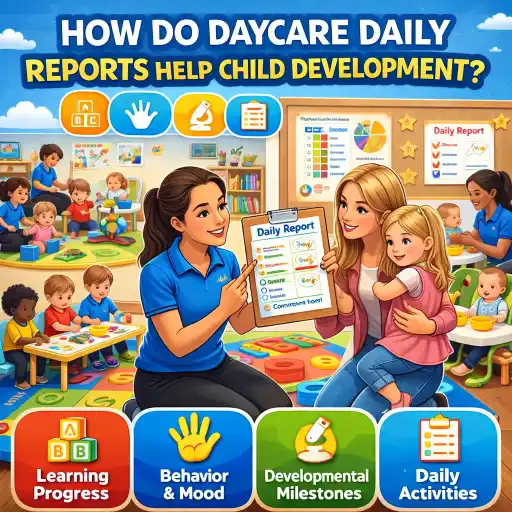 who needs extra practice or celebrate a new skill.
Quick note: state requirements vary - check your state licensing agency.
1. How can daily reports build trust and strong family partnerships?
Daily reports tell families the truth about their child's day. When reports are regular and clear, parents feel sure you care and notice their child. This builds trust. Trust leads to teamwork between the center and home.
Practical tips (use these each day):
- 📝 Keep a short, consistent format. Parents like to know where to find info—meals, rest, mood, and highlights. See examples in How to Create Effective Daily Reports for Parents.
- 📸 Add a photo or short note when you can. A picture of play or art helps parents see learning, as suggested in Using Daily Reports to Build Trust with Families.
- 💬 Invite two-way talk. End with a question like “Did he eat well at home?” so parents reply and share ideas.
Why this works:
- It improves transparency: parents know the day’s story.
- It invites collaboration: families share home routines and you can align strategies.
- It reduces worry: regular updates calm anxious families and support retention.
2. What should daily reports include to support child development?
Daily reports should show learning, not just tasks. Use simple, specific details. This helps parents see progress and know how to support learning at home.
Include these 6 items each day:
- 🍽 Meals and snacks: what they ate and if they tried new foods.
- 😴 Rest time: nap length or rest behavior.
- 🧼 Toileting/diapering: number of changes or accidents.
- 🎨 Activities & learning highlights: one short example of play or skill (e.g., built a 6-block tower).
- 🙂 Mood and social notes: how they played with others or asked for help.
- 🔎 Suggestions: 1 quick tip families can try at home.
Use child-friendly language and avoid jargon. The Toddler Daily Report Form Buy Now $0.00 and the Preschool Daily Report Buy Now $0.00 are ready-made templates you can adapt.
Keep entries short but precise. For example: “Noah tried green beans at lunch and ate half. At free play he stacked 6 blocks and said ‘taller.’ Slept 45 mins. Try asking him to stack cups at home.” Specifics show progress and invite home support.
3. How can daily reports help spot and support developmental needs?
Daily notes give a record you can use to watch patterns. When staff record regular observations, they can see if a child is meeting milestones or needs extra help.
Steps to use reports for development:
- 📅 Track: Keep daily notes for 2–4 weeks so you can spot trends (e.g., language, sleep, eating).
- 🔍 Compare: Use milestone checklists like the CDC’s How to Talk with Parents about their Child’s Development to compare what you see with typical ages.
- 🤝 Talk with families: Share observations in a calm meeting. The CDC training and Help Me Grow guide give scripts and advice.
- ➡ Refer if needed: If concerns persist, suggest further screening or talk to the child’s doctor or local services.
Do this kindly: begin with strengths, share facts, use a checklist, and offer next steps. ChildCareEd has tools like the Parent-Teacher Conference Form Buy Now $0.00 and the Student Skills Form Buy Now $0.00 to help you plan these talks.
Remember confidentiality and family rights when sharing records. If you work with health information, follow HIPAA rules and FERPA guidance as needed. For example, see HHS guidance on disclosures to family and friends at HHS and FERPA notes at FERPA guide.
4. How can programs make daily reporting easy and useful for staff?
Good systems save time and increase quality. Use tools and routines so staff can report fast and well. The OECD shows staff time matters: time set aside for planning and documenting links to better practices (see TALIS Starting Strong).
Try this 5-step plan:
- 🗂 Use a template: Pick a simple daily form (paper or app). The Family Communication Note Buy Now $0.00 is a good short format.
- ⏱ Make mini notes: Encourage staff to jot 1–2 notes during the day rather than write everything at once.
- 👥 Rotate tasks: If busy, rotate reporting roles so every teacher gets a break.
- 💻 Consider tech: Apps can send photos and keep records. But check privacy and train staff; not all families want digital reports.
- 📈 Review weekly: Use brief meetings to spot trends and share ideas. This also feeds your program quality work.
Common mistakes and how to avoid them:
- ❌ Too vague: Avoid “had a good day.” Instead say what they did.
- ❌ Only logistics: Add learning notes—not just food and nap times.
- ❌ Late reports: Deliver them at pickup or sooner so they matter.
-
When you explain how daily reports “build trust,” invite two-way communication, and reduce parent worry, recommend Let’s Talk: Effective Communication so staff learn practical ways to communicate consistently and professionally with families: https://www.childcareed.com/courses-let-s-talk-effective-communication.html.
-
When you share tips about using daily notes to support teamwork between home and school (and making communication a regular program system), link Building a Community of Families to help staff strengthen long-term family partnerships and engagement: https://www.childcareed.com/courses-building-a-community-of-families.html
Conclusion
Daily reports are simple but powerful tools. They build trust with families, show small steps in learning, help spot needs early, and support staff reflection. Use clear templates, note learning moments, and invite two-way communication. For resources and templates, check ChildCareEd tools like daily report forms and family notes. See Beyond the Daily Report for ideas to go further.
FAQ (short)
- Q: How long should a daily report be? A: 3–5 short bullet points plus one highlight.
- Q: Paper or app? A: Use what families can access and what staff can keep up with.
- Q: What if a parent disagrees? A: Listen, show notes, and plan next steps together.
- Q: Who handles privacy? A: Your program leader. Follow state rules and check policies.
You are not alone—small daily notes add up to better care. Use them to celebrate children and to partner with families for learning and growth.
- Bienvenido! Welcoming All Families
- Pediatric RSV First Aid & CPR/AED
- Baby Steps to Milestones
- CDA Bridge Bundle: Family Child Care
- CDA Bridge Bundle: Family Child Care without Portfolio Review
- CDA Bridge Bundle: Infant/Toddler without Portfolio Review
- CDA Bridge Bundle: Preschool without Portfolio Review
- Texas Director Credential
- CDA: Stand With Respect and Professionalism
- Why Superheroes Wear Blazers: The Power of Qualified Daycare Directors
- Capacitación en Salud y Seguridad Preventiva en Línea para Proveedores de Cuidado Infantil
- Lista para Guardería en Casa en Texas: Cómo Iniciar una Guardería en el Hogar
- Cómo Ser Maestra de Preescolar en Dakota del Norte
- How to Open a Home Daycare in Nevada
- In-Home Daycare Requirements in Virginia
- Starting an In-Home Daycare in Virginia: Requirements and Tips
- How do I start a home daycare business?
- How do I open a family child care home?
- Virginia Home Daycare Licensing Standards
- California Home Daycare Licensing Standards
- How to Get a Home Daycare License
- Alaska Home Daycare Standards: What Providers Need to Know
- Oregon Home Daycare Standards: What Providers Need to Know
- How to Become a Childcare Worker in Washington: Requirements and Steps
- Daycare Management Solutions for Busy Directors: Staff, Training, Records, and Compliance
- What Makes a Great Home Daycare? 10 Things Parents Notice First
- How to Become a Daycare Owner: What Qualifications Do You Actually Need?
- Want to Become a Daycare Assistant? Start With These Essential Training Skills
