Latest Blog & News

How Can Preschool Teachers Make Quiet-Time Activities More Meaningful?
10/17/2026Quiet time can be more than a pause between busy parts of the day: it can support children’s rest, agency, and growing ability to focus. Explore practical ways to offer calm choices that meet different needs, and consider From Tantrums to Triumphs: Equipping Preschoolers with Self-Regulation S... How Can Preschool Teachers Make Quiet-Time Activities More Meaningful?
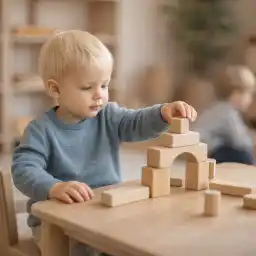
What Are Simple Ways to Strengthen Spatial Awareness in Young Children?
10/17/2026Spatial awareness grows when children get to move, build, explore, and talk about where things are. Add practical ideas to your classroom routine—and deepen your teaching strategies with Early Mathematics Through Play, a course that connects geometry and other early math concepts to hands-on a... What Are Simple Ways to Strengthen Spatial Awareness in Young Children?

What Are Effective Ways to Help Young Children Follow Classroom Boundaries?
10/17/2026When children know what a boundary means—and have practiced what to do—they can participate more safely and confidently in classroom life. Explore Staying Positive: Guidance for Preschoolers to deepen your positive-guidance skills, and consider Viewing Guidance in a Positive Light for fo... What Are Effective Ways to Help Young Children Follow Classroom Boundaries?

What Should Teachers Consider When a Classroom Activity Is Too Easy or Too Difficult?
10/17/2026A classroom activity that misses the mark can leave one child disengaged and another overwhelmed—but a few thoughtful adjustments can restore meaningful challenge. The Tailoring Instruction to Children's Needs course explores differentiation and scaffolding, helping educators plan activities w... What Should Teachers Consider When a Classroom Activity Is Too Easy or Too Difficult?

What Should Teachers Do When a Child Wants to Control Every Group Activity?
10/17/2026A child who insists on choosing every game, assigning every role, or rejecting classmates’ ideas can leave teachers balancing the group’s needs with the child’s need to feel heard. Learn how to channel that strong initiative into shared leadership with clear boundaries, practical l... What Should Teachers Do When a Child Wants to Control Every Group Activity?

How Can Child Care Providers Support Children Who Need More Time to Respond to Questions?
10/17/2026A child’s pause after a question may mean they are thinking, translating, finding a word, or choosing how to communicate—not that they do not know the answer. Providers can make everyday conversations more inclusive by giving children time, noticing every form of communication, and respo... How Can Child Care Providers Support Children Who Need More Time to Respond to Questions?

What Are Simple Ways to Encourage Early Science Skills in the Classroom?
10/17/2026Young children already investigate the world when they watch a puddle shrink, compare rocks, or wonder why a ball bounces. With a few thoughtful routines, child care providers can turn these moments into meaningful practice in observation, prediction, and explanation; Basic Science in Early Childhoo... What Are Simple Ways to Encourage Early Science Skills in the Classroom?

How Can Preschool Teachers Help Children Recognize When a Friend Needs Help?
10/17/2026A preschooler may notice a friend crying, struggling with a toy, or standing alone—but knowing what to do takes practice and supportive guidance. Explore Opportunity for Growth: Emotional Development to deepen your understanding of the developmental foundations of empathy and strengthen the ev... How Can Preschool Teachers Help Children Recognize When a Friend Needs Help?

How Can Child Care Providers Use Outdoor Play to Strengthen Problem-Solving Skills?
10/17/2026When a bridge of sticks collapses or a ball rolls into a puddle, children meet a real challenge—and a chance to think, test, and try again. With thoughtful planning, outdoor play can strengthen children’s reasoning, persistence, and collaboration while fitting naturally into your program... How Can Child Care Providers Use Outdoor Play to Strengthen Problem-Solving Skills?

What Should Teachers Do When a Child Becomes Frustrated by Writing or Drawing Tasks?
10/17/2026When a child pushes away a crayon or says, “I can’t,” the moment may call for connection—not correction. Learn practical ways to lower pressure, build early mark-making skills, and protect a child’s confidence; From Tantrums to Triumphs: Equipping Preschoolers with Self... What Should Teachers Do When a Child Becomes Frustrated by Writing or Drawing Tasks?
