The Power of the Words You Choose
Have you ever noticed how a child reacts when you say "No!" or "Stop that!"? Often, they might stop for a second, but they don't really #learn what to do instead. In #early-childhood education, we are learning that the way we speak can change how a child acts.
When we use positive #language, we tell children what they should do instead of what they should not do. This small change makes a big difference. It helps children feel #safe, respected, and ready to learn. In 2026, using kind and clear words is one of the most important skills a #teacher can have.
What is Positive Language?
Positive language is a way of speaking that focuses on the "do" rather than the "don't." It is about being a coach for the child. Instead of just stopping a bad behavior, you are teaching a good one.
When you use positive words, you are helping a child's brain grow. They start to understand the #ClassroomManagement rules better because you are giving them a clear map to follow.
Why should you stop saying "No" so much? 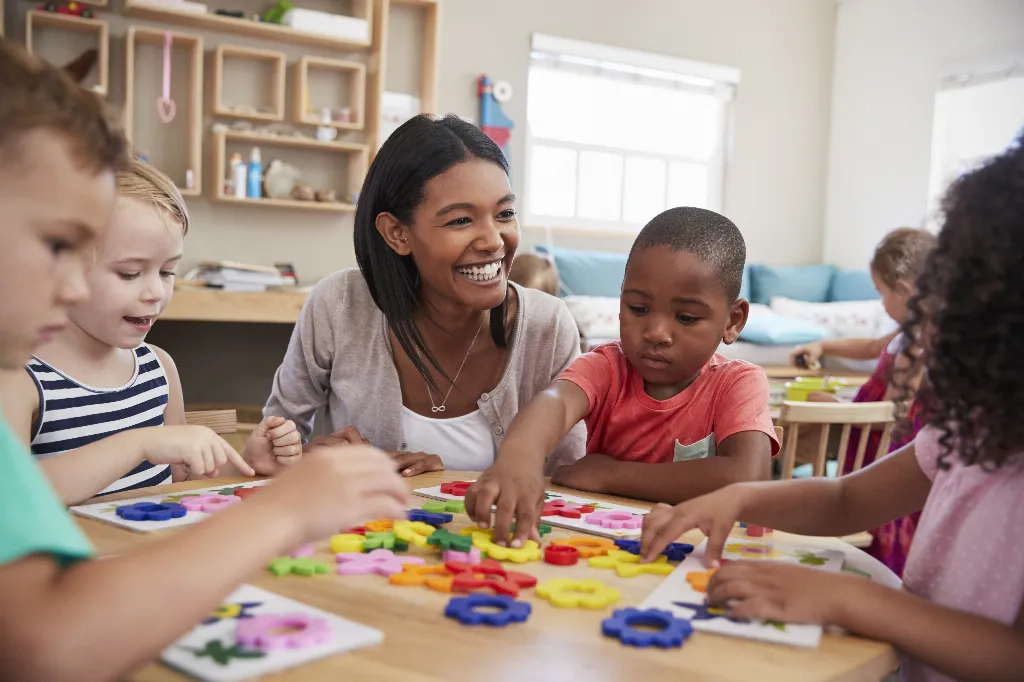
It is very common to want to say "No" when a child is doing something dangerous or messy. However, if a child hears "No" all day long, they might stop listening. Their brain gets used to the sound, and it loses its power.
- It causes #stress: Loud "No's" can make a child feel scared. A scared brain cannot learn.
- It is confusing: If you say "Don't run," the child still has the word "run" in their head. They might not know they should walk.
- It hurts the bond: Using positive words builds a friendship between you and the child.
By changing your words, you are practicing great #BehaviorGuidance every single day.
How do you flip your phrases?
Changing how you talk takes practice. It is like learning a new dance. You have to think about your words before they come out of your mouth. Here are some easy ways to "flip" what you say:
- Instead of: "Don't run!"
- Try: "Please use your walking feet."
- Instead of: "Stop hitting!"
- Try: "Hands are for clapping or helping. Keep your hands to yourself."
- Instead of: "Don't throw the toys!"
- Try: "Toys stay on the floor so they don't break."
Notice how the "Try" side tells the child exactly what to do? This makes them feel successful.
Does positive language help with classroom behavior?
Yes! When you use positive language, the whole room feels calmer. Children follow directions faster because they know what is expected. It also helps children learn to talk to each other. When they hear you use kind words, they will start to use kind words too.
If you want to learn more about how to guide children's behavior, ChildCareEd has excellent classes:
-
Sensitive Periods in Montessori: Guiding Natural Learning
 Buy Now $16.00: This course explores these critical phases in child #development, helping child care providers recognize and support them effectively
-
Staying Positive: Guidance for Preschoolers
Buy Now $24.00: Learn specific tools to keep your classroom peaceful.
How can you give better directions?
Giving directions is a big part of a teacher's job. To make sure children listen, try these three simple tips:
- Get low: Squat down so you are at the child's eye level. This shows them you are paying attention.
- Use "When/Then" sentences: This is a great trick. Say, "When you put away the blocks, then we can go outside." It gives them a reason to finish their work.
- Give choices: Instead of saying "Put on your coat," ask "Do you want to put on your left sleeve first or your right sleeve?" Choices give children power.
What is the secret to "Positive Reinforcement"?
Positive reinforcement means noticing when a child is doing something right. Most people only talk to children when they are doing something wrong. We want to change that!
If you see a child sitting quietly, say, "I see how hard you are working to stay in your spot! Thank you." This makes the child want to do it again. It is a key part of #ProfessionalDevelopment for any lead teacher.
Where can you find more help?
Learning to change your language is a journey. You don't have to be perfect on the first day. You can use this Classroom Behavior Poster Buy Now $0.00 to see more ideas for younger children.
It is also helpful to read about how these strategies work in real #classrooms. Check out this related article: Supporting Teachers Through Sustainable Behavior Management Practices.
Join the conversation online! 
Do you have a favorite positive phrase you use in your classroom? We love hearing from #teachers just like you.
Follow us on Facebook
@ChildCareEd! We share daily tips, funny #teacher-stories, and new ways to make your classroom the best it can be. Click follow and join our community of educators today!
A classroom full of #happy voices
Your voice is the most powerful tool in your classroom. When you use it to lift children up, they grow faster and learn more. By choosing your words carefully, you are creating a world where children feel loved and capable.
Next time you are about to say "Don't," take a deep breath and think: "What do I want them to DO?" You will be amazed at how quickly their behavior changes.
- 45 Hour Child Growth and Development
- 45 Hour Preschool Methods and Materials
- Bienvenido! Welcoming All Families
- 45 Hour Infant and Toddler Methods and Materials
- CDA Bridge Bundle: Preschool
- Pediatric RSV First Aid & CPR/AED
- 45 Hour School Age Methods and Materials
- CDA Bridge Bundle: Family Child Care
- Texas Director Credential
- ¿Cuál es la Diferencia Entre la Crianza Respetuosa y la Crianza Permisiva?
- Ejemplos de Crianza Respetuosa vs. Crianza Permisiva
- How Can Positive Guidance Build Respectful Classroom Routines in Texas Child Care Programs?
- How can visuals, routines, and gentle words support Georgia preschoolers with special needs?
- What Positive Behavior Guidance Techniques Work in Child Care?
- How Can We Encourage Good Behavior in the Classroom?
- What Is a Positive Classroom Climate?
- What are effective positive guidance strategies for early childhood educators?
- What Does Gentle Parenting Sound Like? Examples of What to Say in Common Situations
- How Can Child Care Directors Make Inclusive Practices Consistent Across Every Classroom?
- Inclusive Practices in Early Childhood Education: 10 Small Changes That Help More Children Join In
- Why Do Young Children Show Challenging Behavior, and What Are They Trying to Communicate?
- How Can Child Care Providers Respond Effectively to Temper Tantrums in the Classroom?
- How Can Child Care Providers Integrate Social-Emotional Learning into Daily Activities?
- How Can Child Care Providers Teach Conflict Resolution to Preschoolers?
- What Should You Do When a Child Uses Bad Words at Daycare?
- Keep It Simple: Introducing Classroom Rules Preschoolers Can Remember
- What Does Your Classroom Tone Sound Like to a Child?
- How Can Providers Respond When a Child Constantly Corrects Other Children’s Play?
- How Can Child Care Providers Support Social-Emotional Development?
