Why Does a Positive Classroom Make Such a Big Difference?
A positive classroom does more than feel nice—it helps children learn, grow, and feel safe every day. When children feel welcomed and respected, they are more likely to participate, build friendships, and enjoy learning. For early childhood educators, creating a positive classroom can truly change everything.
This article explains what a positive classroom is, why it matters, and how educators can build one using simple, practical strategies.
What Is a Positive Classroom Environment?
A positive classroom is a place where children feel safe, supported, and valued. It is built on strong relationships, clear expectations, and kindness.
In a positive classroom, children know:
- They belong
- Their feelings matter
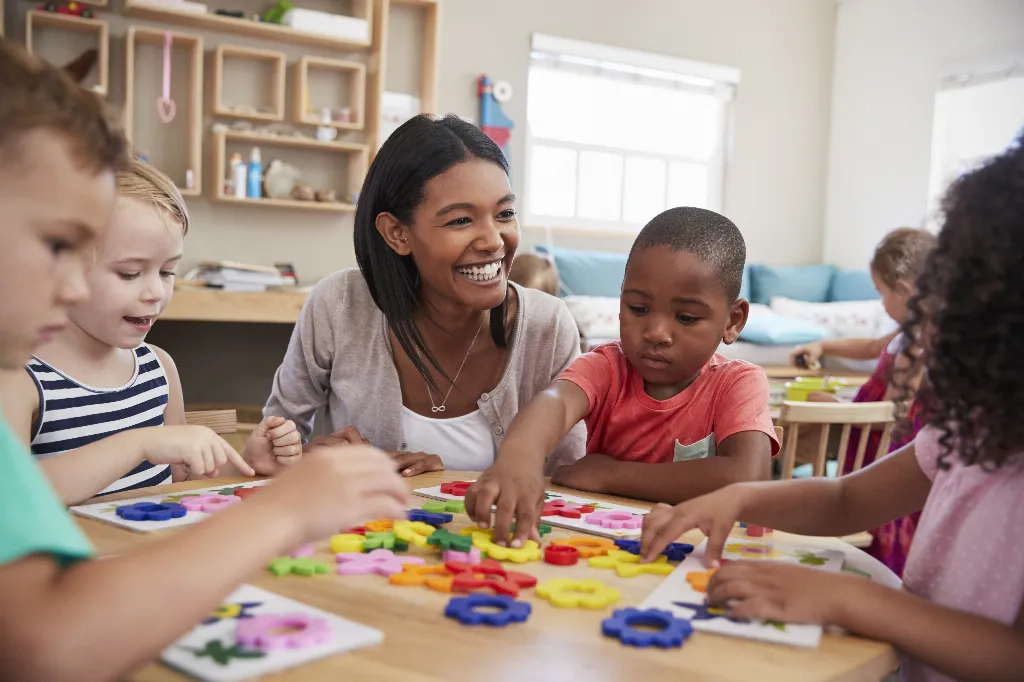
- Mistakes are part of learning
- Adults are there to help, not punish
This kind of environment supports #socialemotional growth and helps children feel confident enough to try new things.
A positive classroom is not about being perfect. It is about being intentional and caring every day.
Why Does a Positive Classroom Matter So Much?
Children learn best when they feel safe and calm. Stress and fear can block learning, especially for young children and children learning English.
A positive classroom helps:
- Improve behavior
- Increase focus and participation
- Build trust between teachers and children
- Support healthy brain development
When children feel good emotionally, they are better able to listen, follow directions, and work with others. This leads to stronger learning outcomes and happier classrooms overall.
How Does Positivity Support Children’s Behavior?
Positive classrooms focus on teaching behavior instead of punishing mistakes. Educators guide children with patience and clear expectations.
Helpful strategies include:
- Using positive language (“Walk inside” instead of “Don’t run”)
- Teaching rules with pictures and examples
- Praising effort, not just results
- Helping children name their feelings
When children understand what is expected, they feel more confident and less frustrated. This approach supports #positiveguidance and reduces challenging behaviors over time.
How Does a Positive Classroom Improve Learning?
Children learn through play, exploration, and connection. A positive classroom encourages curiosity and engagement.
In positive classrooms:
- Children ask more questions
- Children are not afraid to make mistakes

- Teachers model calm problem-solving
- Learning feels fun and meaningful
When children feel respected, they are more likely to try new skills like counting, writing, and speaking. This builds confidence and supports long-term academic success.
What Role Do Teacher-Child Relationships Play?
Strong relationships are the heart of a positive classroom. Children need to know that their teacher cares about them as individuals.
Simple ways to build strong connections:
- Greet each child by name
- Get down to the child’s eye level
- Listen without interrupting
- Show interest in their ideas and play
These small moments build trust. When children trust their teacher, they are more willing to follow rules and accept guidance.
How Can Classroom Design Support Positivity?
The physical classroom environment also affects how children feel. A calm, organized space helps children stay focused and relaxed.
Consider these tips:
- Use soft lighting and calm colors
- Keep shelves labeled and organized
- Display children’s artwork
- Create #cozy areas for quiet play
A welcoming space sends the message that children belong. It also supports independence and reduces frustration.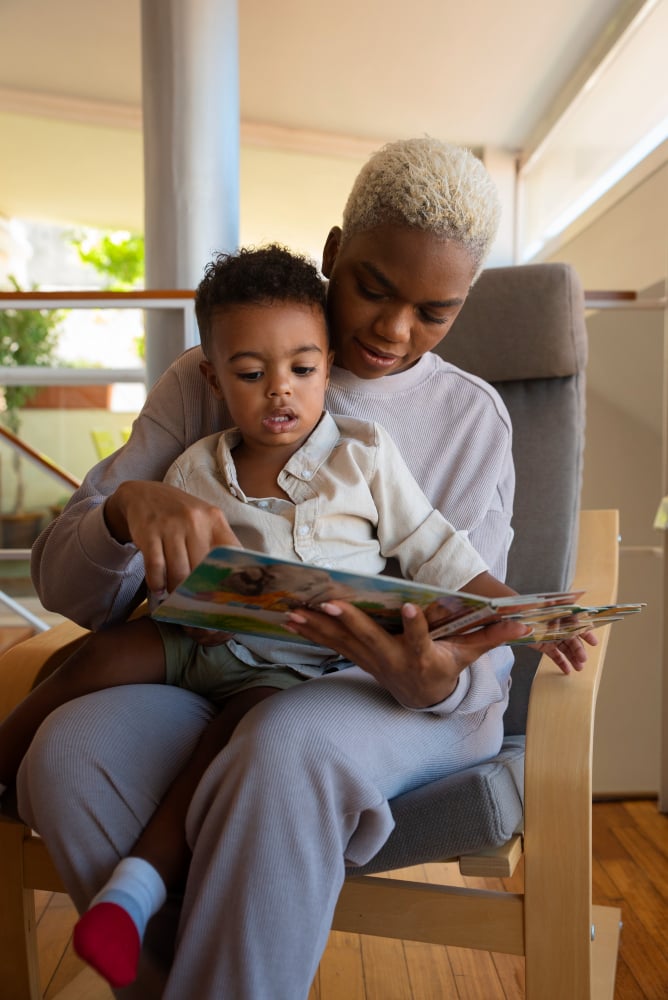
🧰 Helpful Resource:
ChildCareEd Classroom Management Toolkit
This resource offers practical tools for creating supportive learning environments.
How Can Educators Support Positivity Every Day?
Building a positive classroom happens through daily actions. Consistency is key.
Daily practices that make a difference:
- Start the day with a warm welcome
- Use routines children can predict
- Model kindness and respect
- Take deep breaths during stressful moments
Educators should also care for themselves. When teachers feel supported and calm, children benefit too. A positive #classroom-starts with a positive mindset.
How Does a Positive Classroom Support Inclusion?
Positive classrooms welcome all children, including those with different abilities, cultures, and languages.
Inclusive classrooms:
- Respect family backgrounds
- Use visual supports and simple language
- Encourage peer support
- Celebrate differences
This approach helps children learn empathy and respect while supporting #inclusivelearning for everyone.
📖 Related ChildCareEd Article:
Creating a positive learning environment
How Can ChildCareEd Help You Create a Positive Classroom?
ChildCareEd offers flexible online training designed for early childhood educators at all levels. These courses provide real-life strategies you can use right away.
- 📘 Recommended Training:
Supporting Social Learning: Creating Classrooms that Care Buy Now $24.00: This course explores how relationships support emotional growth and classroom success.
 -
Staying Positive: Guidance for Preschoolers:
Buy Now $24.00 this course to help childcare providers describe the meaning of positive discipline in the classroom and see how it can promote social and emotional development in children.
Each course supports professional growth while helping you build a calm, caring classroom.
Want More Tips and Inspiration?
Stay connected with ChildCareEd for fresh ideas, training updates, and encouragement for your teaching journey.
📲 Follow ChildCareEd on Instagram for daily tips and inspiration:
A positive classroom truly changes everything—from behavior to learning to joy. With simple steps and the right support, every educator can create a space where children feel safe, confident, and ready to grow.
- Solutions NOT Punishments
- CDA Home Visitor Subject Area 3 Part 3 Birth to 5
- Building Equity: Inclusionary Practices in Preschool
- Bienvenido! Welcoming All Families
- Workplace Essentials: Communicate, Collaborate, Succeed
- Classroom Setup for Child Care
- Connections That Count: Building Relationships in Child Care
- Anxiety: Signs & Strategies
- CDA: Stand With Respect and Professionalism
- ¿Qué Calificaciones Necesitas para Trabajar en Cuidado Infantil?
- 10 Ejemplos de Cómo la Cultura Influye en el Desarrollo Infantil
- ¿Cuál es la Diferencia Entre la Crianza Respetuosa y la Crianza Permisiva?
- Ejemplos de Crianza Respetuosa vs. Crianza Permisiva
- Capacitación Previa al Servicio para Proveedores de Cuidado Infantil en Texas
- Your Classroom Is Teaching Too: How the Environment Supports Children’s Learning
- Crayon Colors Meaning: Favorite Color, Feeling, or Just the Crayon They Grabbed?
- Proporciones para guarderías en casa bajo el Título 22: Cómo la mezcla de edades cambia su capacidad en California
- Why Is My Preschool Classroom So Chaotic? 7 Classroom Management Fixes to Try
- What Makes Babies Stressed in Child Care? 7 Nursery Changes That Can Help
- How Can Childcare Programs Manage Family Complaints Constructively?
- Which Positive Guidance Strategies Actually Work in Child Care?
- How Can Positive Guidance Transform Early Childhood Classrooms?
- What Is Positive Reinforcement in Early Childhood Education?
- How Often Should Preschool Teachers Change Classroom Activities?
- How Should Child Care Providers Answer When a Child Mentions a Parent’s Job Loss?
- What Should New Child Care Teachers Know Before Their First Day in the Classroom?
- How Can Child Care Educators Rehearse Classroom Voice and Pacing Before Children Arrive?
- How Can You Reduce Classroom Setup Time Without Taking Away Children’s Choices?
