Your #classroom is more than shelves and chairs. The way you arrange the room sends a message to children and staff. An organized space helps kids feel safe, focus, and learn. Small changes in design and space often make big changes in behavior and teaching time.
For research and ideas, see How Does Classroom Design Impact Behavior and Learning? and the study on decorated walls at the Association for Psychological Science.
How does room layout affect children's behavior and learning?
1) The room tells children what to do. Clear paths, child-sized furniture, and labeled shelves help kids make choices and stay safe. Good layout means teachers can see children and step in before a small problem grows. Read more in Classroom Arrangement. For practical, step‑by‑step guidance on arranging centers and maximizing limited space, see Rethinking Your Classroom Arrangement.
2) Light, color, and noise change how children feel. Natural light and soft colors help calm bodies. Soft rugs and quiet zones cut down noise so children can listen and join group time. See tips in Building a Calm Classroom.
3) Too many visuals can distract. Research found that heavily decorated rooms raise off-task time. Keep displays purposeful and rotate them: APS study.
4) Space supports independence. Low shelves, clear bins, and defined areas mean children can get and return materials themselves. ChildCareEd shows how in How can I organize an effective preschool classroom?.
5) Why layout matters for staff: Better sight lines and predictable traffic let teachers focus on teaching, observing, and coaching rather than redirecting behavior.
What simple design changes help now, even with a small budget?
1) Start small and use what you have. You don’t need new furniture to improve the room.
- 🧹 Declutter: Put extras in a cupboard. Fewer items out = fewer distractions. See Organizing materials and routines.
- 💡 Change light: Open blinds, turn off extra overhead lights, add a small lamp in the quiet corner. (See Building a Calm Classroom.)
- 📚 Lower a shelf: Put everyday toys and books where children can reach them. Use labels with photos so non-readers find items independently (preschool organization).
- 🧺 Use trays and baskets: One activity per tray keeps pieces together and speeds cleanup (Classroom Setup for Child Care
 Buy Now $24.00).
 - 🌿 Add one cozy spot: A small rug, cushion, and a feelings chart make a calming place for children to regroup (cozy corner guide).
Quick wins you can do this week: declutter one shelf, add labels, set a quiet spot, and practice one transition cue. For step-by-step courses, see Classroom Setup for Child Care. Buy Now $24.00
How do organized centers and routines help teachers and children?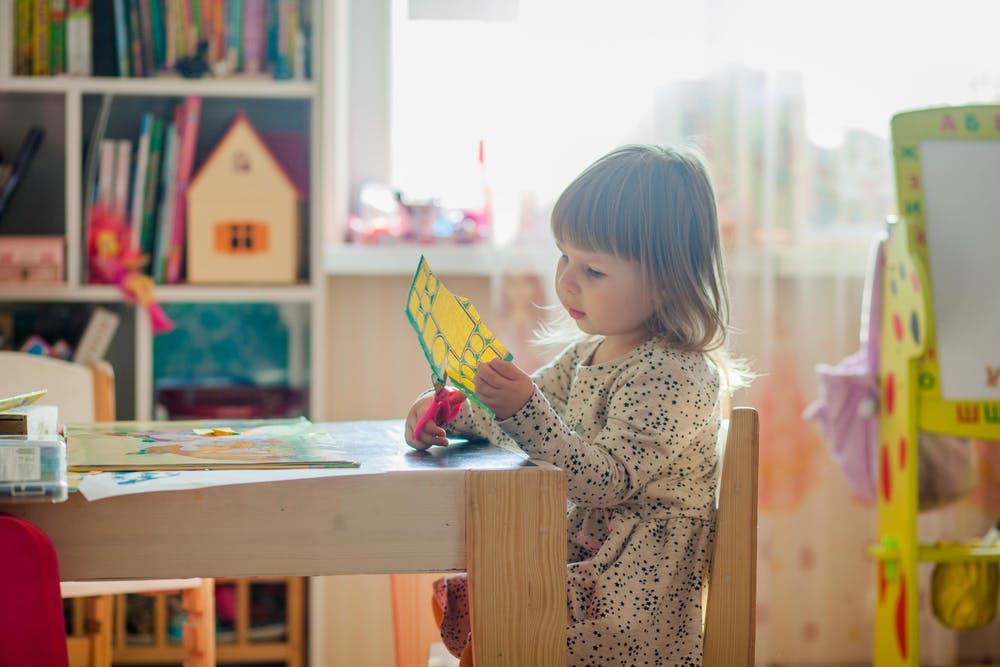
1) Centers give clear choices. When you define play areas (blocks, art, reading), children learn where to go for specific play and skills. That lowers conflict and keeps play focused. ChildCareEd explains center design in How can I organize an effective preschool classroom? and in How Does Classroom Design Impact Behavior and Learning?.
2) Routines make days predictable. Use a visual schedule with photos, a 5-minute warning, and a song for clean-up. Children feel safer and move more smoothly between activities. See How to Create a Classroom Schedule.
- 🙂 Teach routines like lessons. Practice lining up, washing hands, and clean-up.
- 🕒 Use timers or songs for transitions so kids know what comes next.
- 📋 Give simple jobs (shelf checker, rug roller) to build pride and speed clean-up.
3) Organized centers help teachers too. When materials are labeled and rotated, teachers spend less time searching and more time observing and scaffolding play. For managing centers, see Research & Play guide.
How do we avoid common mistakes and meet safety and space rules?
1) Common mistakes and fixes:
- ❌ Over-decorating walls. Fix: Keep displays relevant and rotate them. The APS study shows too many visuals raise off-task time.
- ❌ Crowded centers. Fix: Limit how many children at one center and use open shelves to spread items out (preschool organization).
- ❌ Ignoring acoustics and light. Fix: Add rugs, curtains, and soft lamps to lower stress (calm classroom).
- ❌ One-size-fits-all setup. Fix: Make flexible spaces and quiet options for children who need less stimulation (see A Better Space for All).
2) Space and safety rules: Measure your rooms and plan to meet square-foot guidelines and clear walking paths. For official space guidance, review Guidelines for Measuring Space in Child Care Facilities Buy Now $0.00. Also remember: state requirements vary - check your state licensing agency.
3) When to consult others: If you plan major changes, check with licensing, building maintenance, and your director. For staff training on management and collaboration, see Classroom Management is Collaboration! Buy Now $16.00.
Conclusion and quick checklist
Summary: Thoughtful #layout and simple organization help children be calmer and learn more. Start small, watch how children respond, and change one thing at a time.
Quick checklist (do in 1–4 weeks):
- 🧹 Declutter one shelf and label bins with photos.
- 💡 Create one low-light calm spot with a rug and cushion.
- 📚 Set up 6–8 clear #centers and rotate materials slowly.
- 🕒 Post a visual #routines schedule at child eye level and practice it daily.
- 🔉 Add soft materials to reduce noise and keep traffic paths clear.
FAQ
- Q: How often should wall displays change? A: Every 3–6 weeks keeps walls fresh and not overwhelming.
- Q: What if my room is small? A: Use vertical storage, moveable trays, and clear centers with rugs to define areas.
- Q: How do I include children in design? A: Ask them which centers they like and display their work—this builds ownership. When planning seasonal displays or holiday centers, consider culturally sensitive activities; learn more about the origins and classroom uses of Easter baskets in this guide on Easter baskets to adapt the activity appropriately for your group.
- Q: Who do I check before major changes? A: Your licensing office and building maintenance—state requirements vary - check your state licensing agency.
- Q: Where can I get training? A: ChildCareEd has many courses like Classroom Setup for Child Care Buy Now $24.00 and Classroom Arrangement.
Keep observing and be patient. Small, thoughtful changes will make your #calm room a strong partner in children’s learning.
- A Better Space For All
- Building Equity: Inclusionary Practices in Preschool
- Classroom Arrangement: The Second Teacher
- Classroom Setup for Child Care
- Texas Director Credential
- Spaces that Support Discovery
- CDA: Curriculum Alignment & Materials
- Every Moment Matters: Schedules and Transitions
- Effective Coaching & Mentoring in ECE
- Moving About the Classroom: Effective Transitions for Everyday
- The Role of the Environment in Shaping Behavior
- How can we design a child-friendly learning environment?
- How should I set up a classroom for child care homes and centers?
- How Does Classroom Design Impact Behavior and Learning?
- ¿Cómo puedo usar escenarios de juego de roles de primeros auxilios en mi aula?
- How Can Nevada Child Care Providers Create Safe, Calm, and Well-Organized Learning Spaces?
- How can I organize an effective preschool classroom?
- Organized Classrooms: Why Layout, Design, and Space Matter
- How Teachers Can Arrange Classrooms for Better Learning
- Reglas y regulaciones de guarderías en Minnesota 2026: Requisitos actuales y próximos cambios
- Your Classroom Is Teaching Too: How the Environment Supports Children’s Learning
- How Can You Design an Effective School-Age Classroom Setup?
- How Can You Create a Calm-Down Space That Truly Supports Children?
- How Can Child Care Providers Design Learning Centers That Support Play and Development?
- What Makes an Infant Play Area Easy for Staff to Supervise?
- Does an Empty Classroom Space Need to Stay Empty?
- What Changes in Infant Exploration After You Rearrange the Room?
- How Can You Organize a Toddler Classroom to Encourage Exploration and Independence?
