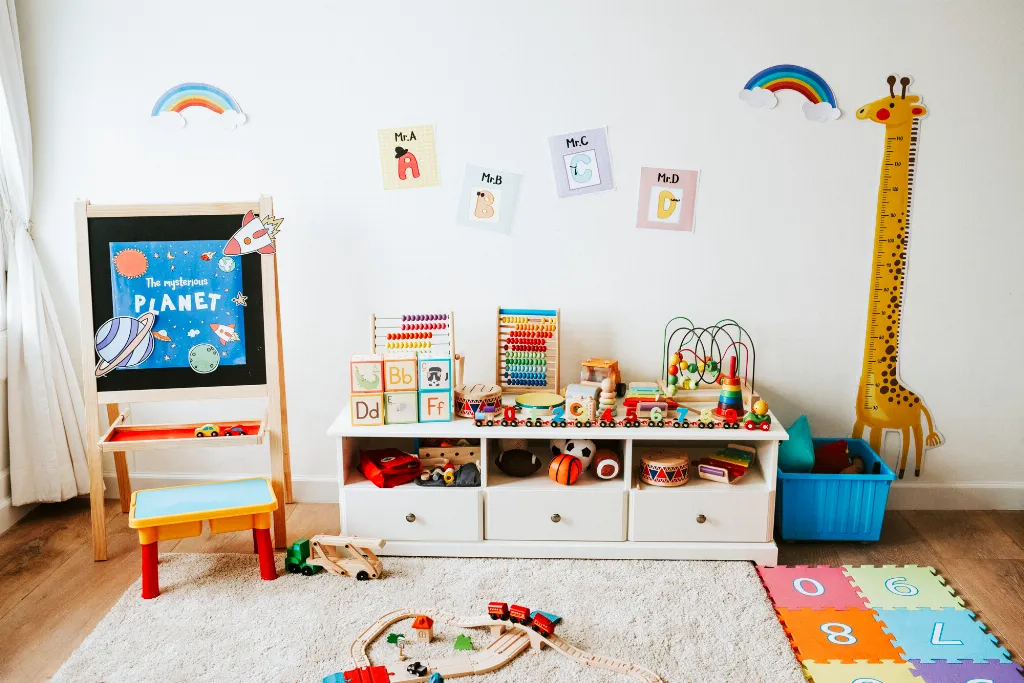
 Good classroom layout helps children feel safe, choose activities, and learn more. This article gives simple, practical ideas for child care providers and directors who want a room that helps both kids and staff. You will find easy steps, reasons why it matters, and tips to avoid common mistakes.
Read on to make your #classroom friendlier for #children and easier for #teachers through smart #design that boosts #learning.
Why does classroom arrangement matter for children's learning?
1) A room sends messages. When a space looks calm and organized, children feel safe and ready to learn. When it is crowded or too busy, kids get distracted. ChildCareEd explains how the environment is the "second teacher" and why a clear layout supports learning (Classroom Arrangement).
2) What good arrangement does (short list):
- 🧭 Lets teachers see all children so they can help and guide.
- 📚 Invites children to choose activities on their own.
- 🧠 Reduces overload so kids can focus and practice skills.
3) Why this matters for staff:
- 💡 Fewer behavior redirects — teachers spend more time teaching.
- 🔍 Easier observation — you can notice learning and needs.
- ⚖️ Better routines — transitions are smoother with clear spaces.
For research-based tips on calming light, sound, and cozy spots, see Building a Calm Classroom at ChildCareEd (calm classroom).
How do I set up learning centers, traffic flow, and sight lines?
Start with a simple map of your room. Think where children will move and how you will watch them. Use these steps:
- 🎯 Decide which centers you need (e.g., reading, blocks, art, sensory, dramatic play). ChildCareEd lists helpful center ideas in Tips for designing your early childhood classroom space.
- 🪑 Place child-sized furniture so kids can reach materials and sit comfortably.
- 🛣️ Make clear paths: leave wide walkways so children and teachers move safely and quickly.
- 📏 Arrange low shelves to divide centers without blocking your view.
- 🔁 Limit invitations: keep only a few materials out in each center. Fewer choices lead to deeper play.
Practical checklist (do in 1–2 days):
- 🧺 Put labeled bins at child height.
- 🪞Remove tall obstacles that block sight lines.
- 📍Mark calm places with a rug and soft cushion for reading or quiet time.
For center layouts and hands-on examples, explore ChildCareEd’s course pages like Classroom Setup for Child Care  Buy Now $24.00.
How can I make the room calm, safe, and inclusive for all children?
1) Lighting and sound:
- 💡 Use natural light when possible and soft lamps in calm corners. Harsh lights can increase restlessness; ChildCareEd explains simple lighting changes in Building a Calm Classroom.
- 🧸 Add rugs, curtains, and soft seating to reduce noise and create calm areas.
2) Safety and rules:
- 🛡️ Anchor furniture and keep cords covered.
- 📋 Post simple visuals for schedules and transitions so children know what happens next. See the value of visual schedules at Eastern CT resources (Classroom Environment).
- ⚖️ Remember: state requirements vary - check your state licensing agency when you change furniture, mat spacing, or exits.
3) Inclusion tips:
- 🌈 Offer choices (quiet spot, fidget, headphones) so children with different needs can join comfortably. The Universal Design for Learning approach gives practical ideas for meeting diverse learners (UDL in Preschool Science Classrooms).
- 🧭 Use clear boundaries and labels to help children who need structure; research for children with ASD shows organized spaces improve focus (Clean Up Your Act).
What are common mistakes and how do I avoid them?
Many programs try to do everything at once and end up with clutter or blocked sight lines. Here are common mistakes and fixes:
- ❌ Mistake: Too many wall decorations and busy displays. Fix: Rotate work and keep walls focused on current lessons. Research shows too many visuals can distract young children; see How Does Classroom Design Impact Behavior and Learning?.
- ❌ Mistake: Overcrowded centers. Fix: Limit materials and offer fewer invitations so children explore more deeply.
- ❌ Mistake: Ignoring lighting, acoustics, or safety. Fix: Add soft materials, use lamps, and follow licensing rules (state requirements vary - check your state licensing agency).
- ❌ Mistake: One-size-fits-all. Fix: Build quiet options and sensory choices for children who need them (Effective and Engaging Arrangements).
Conclusion and FAQs
Summary: A thoughtful room helps teachers teach and children learn. Start small: define centers, clear paths, add a calm corner, and limit wall clutter. Watch children and adjust.
Quick action list (1–4 weeks):
- 🧹 Declutter and label storage.
- 🪑 Arrange child-sized furniture with clear walkways.
- 📚 Create a cozy reading/quiet nook.
- 🔄 Rotate displays every few weeks.
- 🔉 Add rugs or fabric to reduce noise.
FAQ
- Q: How often should I change displays? A: Rotate every 3–6 weeks to keep walls meaningful and not overwhelming.
- Q: What if my room is small? A: Use vertical storage, mobile shelves, and rugs to mark centers. Small changes help a lot—see Rethinking Your Classroom Arrangement.
- Q: How do I include children in setup? A: Ask them which centers they like and display their work. It builds ownership.
- Q: Who to check for big changes? A: Your licensing office and building maintenance—state requirements vary - check your state licensing agency.
- Q: Where to learn more? A: ChildCareEd courses such as Classroom Arrangement: The Second Teacher Buy Now $25.00 or Classroom Setup for Child Care Buy Now $24.00.
Keep observing and involve your team. Small, focused changes make your #classroom a stronger helper for #children and for #teachers. Use research and free resources from ChildCareEd to guide your next steps. For visual inspiration—sample room layouts, activity ideas, and book lists—visit ChildCareEd on Pinterest.
- Behind the Scenes: Baby Routines ONLINE
- Moving About the Classroom: Effective Transitions for Everyday
- Classroom Arrangement: The Second Teacher
- Classroom Setup for Child Care
- Emergent Learning & Development
- Creating Environments that Nurture Growth and Community
- Classroom Designers ONLINE
- Healthy Habits from the Start
- Moving About the Classroom: Effective Transitions for Everyday
- The Montessori Classroom: A World Designed for Discovery
- The Montessori Advantage in Early Childhood
- 10 Ejemplos de Cómo la Cultura Influye en el Desarrollo Infantil
- Proporciones de Cuidado Infantil y Tamaños de Grupo por Edad en Virginia (Guía Rápida para Centros y Hogares)
- How can ECE professional development help educators and children?
- After the Texas Rising Star Early Educator Conference: What Does Quality Improvement Look Like in Real Classrooms?
- Celebrando la amistad en el cuidado infantil durante el Día de los Mejores Amigos
- Canciones, juegos y preguntas de círculo para niños
- Connections That Last: Helping Georgia Early Educators Build Stronger Classrooms Through Community and Collaboration
- How Teachers Can Arrange Classrooms for Better Learning
- Types of Curriculum in Early Childhood Education: Which Approach Fits Your Classroom Best?
- How Can Child Care Programs Build Meaningful School Readiness?
- How Can Teachers Help Children Move From Parallel Play to Cooperative Play?
