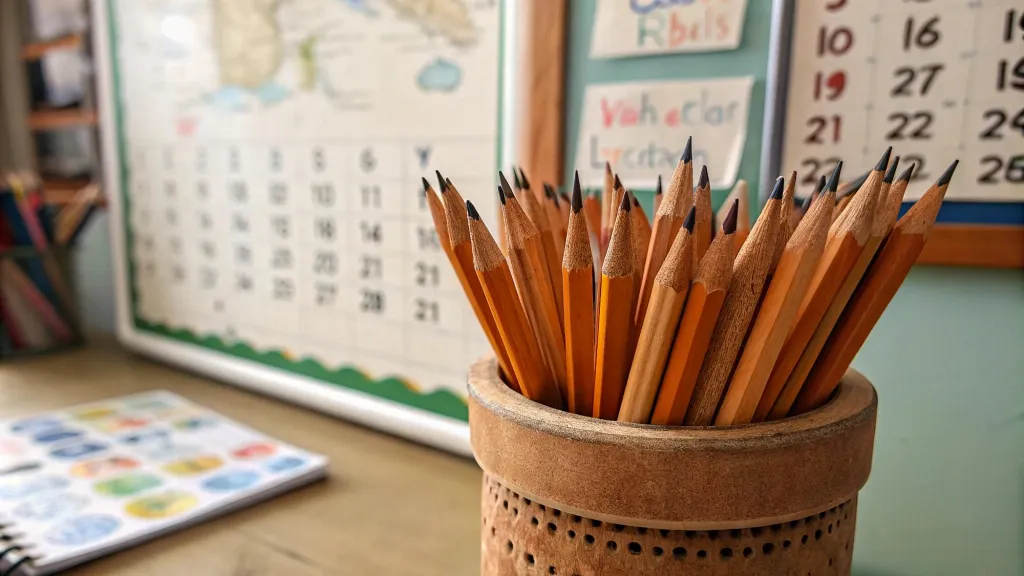
 Creating a good classroom #schedule helps teachers and children know what comes next. A clear plan makes the day calmer and helps children learn. Strong schedules also support smoother #transitions, better behavior, and more time for teaching. CSEFEL’s brief on routines and classroom schedules explains that predictable routines help young children feel secure and support social-emotional development.
What should a daily classroom schedule include?
A strong daily classroom schedule balances learning, rest, play, and care routines. ChildCareEd’s schedules-and-transitions course says effective schedules help providers create calmer, more organized classrooms where both children and staff can thrive.
A simple daily schedule can include:
-
Arrival and welcome
-
Morning group time
-
Choice time or learning centers
-
Snack or meal time
-
Outdoor or gross motor play
-
Rest or quiet time
-
Afternoon small groups and cleanup
-
Departure
For young children, flexible time blocks often work better than strict clock times. The order of the day matters more than exact minutes.
Helpful ChildCareEd resource:
Create Your Classroom Schedule: Staff Planning Tool Buy Now $0.00
How do I make schedules children can actually follow?
Children need simple visuals and clear cues. A visual schedule helps children see the plan for the day instead of only hearing it. ChildCareEd’s visual schedule article explains that visual schedules can reduce anxiety, encourage independence, and help preschoolers understand what comes next.
Try these steps:
-
Use pictures or photos for each part of the day
-
Post the schedule at child eye level
-
Review it each morning
-
Use timers or short countdowns
-
Add one simple cue before transitions, like a song or rhyme
Keep the visuals simple and consistent. That helps children learn the meaning of each picture more quickly.
How do I plan transitions so the day stays calm?
Smooth transitions save time and reduce stress. CSEFEL’s transition brief recommends planning for transitions ahead of time and teaching children what to do during those moments.
Try this simple transition plan:
-
Give a 5-minute or 2-minute warning
-
Show the next picture on the schedule
-
Use a short cleanup song or movement cue
-
Move calmly to the next activity
-
Praise children for following the routine
These small steps help children build self-regulation. ChildCareEd’s transition articles also recommend keeping the order of the day steady, even if the exact timing changes.
How do I avoid common schedule mistakes?
Some schedules look good on paper but feel hard to follow in real life. A few common mistakes can make the day harder than it needs to be.
Watch for these problems:
-
Planning too much with no flexibility
-
Forgetting to build in transition time
-
Not sharing the plan with staff
-
Changing the routine too often
-
Skipping visuals or cues
What should providers remember most?
Building a useful classroom schedule is a step-by-step process. Start with a simple daily flow, add clear visuals, plan gentle transitions, and keep your schedule easy for both children and staff to follow. ChildCareEd’s schedule and transition resources emphasize that predictable routines, clear expectations, and visual supports help children stay engaged and feel secure.
Start small this week. Try one new visual, one better transition cue, or one clearer daily block. Small changes can make the day calmer for teachers and better for #children and learning.
Related ChildCareEd Courses

Related ChildCareEd Articles
Related ChildCareEd Resources
- Designing Your School Age Classroom
- Birth to Five CDA Credential with Portfolio Review
- Engaging Indoor Activities for Inclement Weather
- CDA: Creating the Outdoor Classroom
- Early Childhood Education
- Texas Teacher 24 hours Annual Renewal 2nd Year
- CDA: Curriculum Alignment & Materials
- Children at the Wheel ONLINE
- Every Moment Matters: Schedules and Transitions
- Getting on the Right Path to Teaching
- Celebrating Teachers
- ¿Cuánto tiempo se tarda en obtener una certificación CDA?
- 10 Ejemplos de Cómo la Cultura Influye en el Desarrollo Infantil
- Proporciones de Cuidado Infantil y Tamaños de Grupo por Edad en Nueva Jersey (Guía Rápida para Centros y Hogares)
- Las Mejores Ideas de Excursiones para Guarderías en Texas
- How Can Positive Guidance Build Respectful Classroom Routines in Texas Child Care Programs?
- How Can Nevada Child Care Providers Create Safe, Calm, and Well-Organized Learning Spaces?
- How can I organize an effective preschool classroom?
- How can I create calm classroom spaces that help children learn?
- Canciones, juegos y preguntas de círculo para niños
- How can New York providers bridge the summer gap with year-round learning?
- How can Michigan child care programs plan staff schedules and coverage around summer holidays?
- Simple Field Trip Ideas Without Leaving the Classroom
- Mixed-Age Daycare Schedule: How to Plan a Day for Different Age Groups
- Building a Better Head Start Lesson Plan: 7 Things Every Teacher Should Include
- Preschool Classroom Routines: What Should You Teach During the First Week?
- Title 22 Home Daycare Ratios: How Age Mix Changes Your California Capacity
- What Are 7 Printable Tools That Save Child Care Teachers Time?
- Which Printable Activities Belong in Every Preschool Classroom?
- What Should a Substitute Teacher Know About Each Child?
