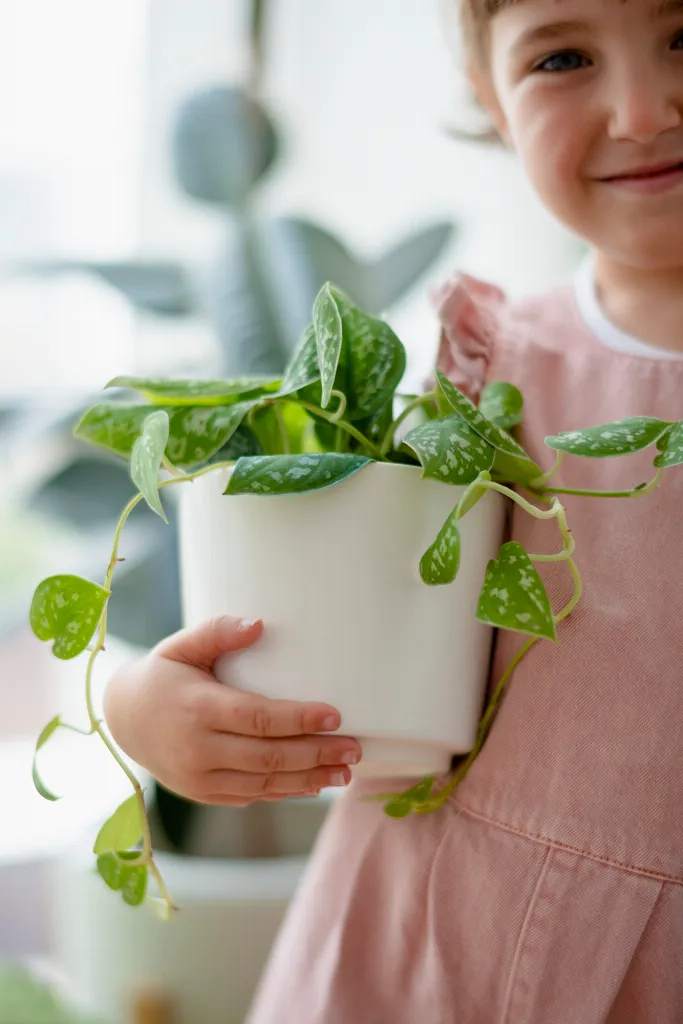
 Plants make outdoor play warm, calm, and full of learning. When we choose the right plants, children can touch, smell, and help care for living things safely. This short guide helps child care providers and directors pick non-toxic plants, set up safe garden areas, teach simple rules, and react quickly if a child is exposed.
For a starter list of safe choices, see the ChildCareEd guide on non-poisonous plants for children.
How do I choose safe non-toxic plants for my child care outdoor space?
- 📸 Identify: Walk your yard and take photos of each plant children can reach. Keep a folder of these photos for staff. Compare them with trusted lists like ChildCareEd's List of Non-Poisonous Plants Buy Now $0.00 and the Lists and Images of Poisoning Plants Buy Now $0.00 when you are unsure.
- 🌿 Choose kid-friendly types: Herbs (mint, basil), sunflowers, marigolds, lamb’s ear, and certain strawberries are great because they are easy to grow and often safe for supervised contact. For classroom garden ideas, see How to Build a Classroom Garden.
- 🗂️ Prefer natives when possible: Native plants often need less care, help local pollinators, and can be easier to keep healthy. Search your region’s recommended native plant lists and cross-check safety on ChildCareEd resources.
- ⚠️ Avoid risky features: Plants with bright berries, milky sap, thorns, or pods can attract children. When in doubt, remove or block access until you verify the plant is safe. The ChildCareEd Poisonous Plants Safety Guide Buy Now $0.00 has helpful cautions.
Quick tip: Start small. Create a few labeled beds with known-safe species and expand as staff become confident. Labeling helps everyone learn and protects curious #children who love to explore.
How can I set up and maintain a safe outdoor plant area?
- 🗺️ Map the space: Number and zone areas—play zone, garden zone, staff-only beds. Post the map in the office so everyone knows which areas children may enter. See ideas in ChildCareEd's outdoor hazards post.
- 🔖 Label plants: Add clear labels with plant name and a simple safety note (example: “Look, don’t eat”). Labels teach children and reduce guesswork for staff and families. ChildCareEd recommends labeling as both a learning and safety tool.
- 🧹 Schedule checks: 1) Daily quick scan before outdoor time, 2) Monthly plant ID and hazard removal, 3) Seasonal check after storms. Assign a staff member to log checks so the routine sticks.
- 🧰 Keep supplies safe: Lock away fertilizers, sprays, and tools. Store garden chemicals out of sight and reach. ChildCareEd and many state guides stress secure storage as key to #safety.
Common mistakes and how to avoid them:
- 🔸 Mistake: Leaving unknown plants in reach. Fix: Remove or block until identified.
- 🔸 Mistake: Forgetting to label. Fix: Use simple durable tags and replace lost ones.
- 🔸 Mistake: No routine checks after landscaping. Fix: Add the plant walk to your monthly safety checklist.
What rules and routines help protect children around plants?
- 👀 Active supervision: Use sight-and-sound supervision. Assign staff to zones and do a 1–2 minute hazard scan before children go outside. For supervision training, see ChildCareEd courses like A Watchful Eye
 Buy Now $16.00.
 - 🗣️ Teach three child rules: 1) Ask an adult before touching a plant, 2) Never put plants or berries in your mouth, 3) Wash hands after gardening. Use short repeated practice so rules become habit.
- 📋 Family communication: Share your plant list, rules, and emergency steps with families. Post signs near garden areas and include notes at pickup so parents know your plans.
- 🧾 Policy and training: Write a simple plant policy (who IDs plants, who removes them, logging checks). Offer short staff refreshers on plant ID, first aid, and when to call Poison Control. Remember: state requirements vary - check your state licensing agency.
Labeling and predictable routines turn your outdoor area into a learning lab. Use plant care as a structured activity: measure growth, smell herbs, count petals—this makes the #garden a classroom and keeps play supervised.
What should staff do if a child touches or eats a plant or has a bite or sting?
Prepare a clear, short emergency flow so staff act fast and confidently. Put the steps on a laminated card near your first-aid kit.
- 🚨 If the child has trouble breathing, swelling of the face/throat, seizures, or loses consciousness — call 911 right away.
- 📞 If the child is alert after swallowing or touching a plant, call Poison Control at 1-800-222-1222 and follow their instructions. Poison control centers are open 24/7 and guide most exposures. See background on poisoning response in Children and Poisoning.
- 💧 For skin contact with poison ivy/oak/sumac (urushiol): rinse skin with soap and water quickly, remove contaminated clothing, and wash separately. Keep a photo of the plant if possible. For rash care tips see general poison plant resources like the ChildCareEd poisoning plant images Buy Now $0.00 and medical sources.
- 📝 Document the incident: time, what happened, plant (photo if possible), who you called, and what steps you took. Share the report with guardians and follow your licensing incident rules.
Practice: Do a short 10-minute drill every 6 months so staff know the steps. Keep Poison Control and emergency numbers posted. State and local poison center tips (like regional poison centers) are useful for tailored guidance.
Conclusion
1) Pick familiar, easy-to-care-for, non-poisonous plants (herbs, marigolds, sunflowers, lamb’s ear). See ChildCareEd’s safe plant list to start. 2) Use labels, routines, and active supervision to keep outdoor play safe. 3) Prepare staff for emergencies: call 911 for severe signs and Poison Control at 1-800-222-1222 for exposures.
Quick FAQ
- Q: Can children taste garden herbs? A: Yes — with adult permission, direct supervision, and after washing.
- Q: Who identifies plants? A: Assign one staff member to lead monthly plant ID and keep photos in a shared folder.
- Q: Should indoor plants be checked too? A: Yes. Indoor plants need the same review as outdoor ones.
- Q: Where can I get more training? A: ChildCareEd offers courses on supervision, health, and safety; see the ChildCareEd training pages linked above.
Plants are powerful learning tools. With good choices, clear labels, consistent routines, and trained staff, your outdoor area becomes a safe, sensory-rich place for #children to grow and explore. Use the ChildCareEd resources in this article during staff meetings to make a practical plan your team can follow today.
- Creating the Natural Outdoor Classroom
- CDA Subject Area 1
- CDA Infants/Toddlers: Brain Development and Gene Expression
- Creating Environments that Nurture Growth and Community
- Texas Director Credential
- CDA Infants/Toddlers: Stages of Development
- Responding to Emergencies
- CDA: Creating the Outdoor Classroom
- Family Child Care: Building, Premises, and Outdoor Safety
- CDA Home Visitor Subject Area 8 Part 1 Birth to 5
- Daycare Training 101: Building a Safe, Fun, and Educational Environment
- ❄️ ¿Qué actividades al aire libre funcionan bien para los niños de Illinois en cada estación? 🌷🍂
- 📜 ¿Qué es el Título 22 en el cuidado infantil de California?
- Normas de Licenciamiento de Cuidado Infantil en Virginia para Centros Diurnos Infantiles y Hogares Diurnos Familiares
- Consejos de Supervisión Activa para Salones de Preescolar y el Juego al Aire Libre
- How can DC early childhood educators keep children safe from poisonous plants during outdoor play?
- How can Florida early childhood educators protect children from poisonous plants, bugs, and outdoor hazards?
- How can Washington child care programs keep playgrounds safe from stinging insects, slugs, and harmful plants?
- How can Washington early childhood programs keep children safe from poisonous plants and forest wildlife outdoors?
- How can Oklahoma early childhood educators keep children safe from poisonous plants, spiders, and snakes outdoors?
- How can Florida child care programs keep kids safe from snakes, insects, and harmful plants on the playground?
- Non-Toxic Plants for Child Care Outdoor Spaces
- How can I plant a classroom garden with preschoolers?
- How can child care programs prevent seasonal safety hazards like heat, cold, allergies, holiday risks, and outdoor play dangers?
- How Can Early Childhood Programs Implement Practical Sustainability Practices?
- How Can We Teach Young Children to Care for the Environment?
- How Can Child Care Programs Make Nature-Based Learning Meaningful, Inclusive, and Safe?
- How Can Child Care Providers Make Outdoor Learning Meaningful, Safe, and Inclusive?
- Why Is Outdoor Learning Growing in Early Childhood?
