Looking for high-impact, low-cost ways to boost learning, behavior, and wellness in your program? A well-planned classroom garden turns the outdoors into a living lab where young learners practice observation, motor skills, and social responsibility. For a practical first step, explore Creating the Natural Outdoor Classroom  Buy Now $16.00 on ChildCareEd — it shows how to design safe, developmentally appropriate outdoor spaces. For help managing tasting activities, allergies, and medication during garden-based food experiences, see Illness, Medication, and Allergies in Child Care Buy Now $32.00.
Why does garden-based learning matter for early childhood programs?
Garden-based learning is more than a seasonal activity: it scaffolds cognitive, motor, language, and social-emotional growth in natural, memorable ways. When children plant, water, and watch seeds sprout they practice prediction, counting, measurement, and sustained observation—core scientific practices. Gardens also invite #sensory exploration: smelling herbs, feeling soil, tasting safe produce, and noticing pollinators. Research and practice show these experiences increase engagement, support healthy eating habits, and reduce stress for both staff and children. Programs that document outcomes (photos, growth charts, child quotes) can show parents and funders meaningful learning results. For practical set-up tips and starter plant lists, see How to Build a Classroom Garden as part of ChildCareEd's gardening resources. Why it matters: a tiny #garden yields observable learning across domains and strengthens relationships between your program, families, and the local community.
How can I set up a simple classroom garden that works for young children?
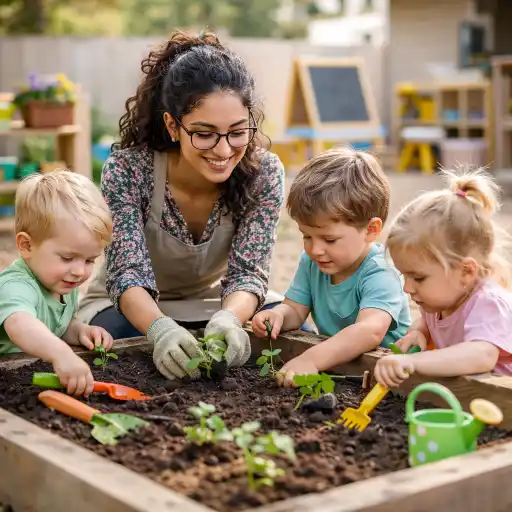
Start with a small, manageable plan so staff can sustain it. Choose one or two containers or a single raised bed near the classroom and ensure reliable access to water and sunlight. Prioritize quick wins: fast-germinating seeds (radishes, lettuces, sunflowers) and robust herbs (basil, mint) engage children quickly and reduce frustration. Use child-sized tools, durable labels, and clear zones for planting, digging, and observation. Map roles: daily watering helpers, a weekly measurement chart keeper, and one staff member to maintain supplies and safety checks. Keep a seed-to-harvest calendar posted; plan short 10–20 minute garden blocks during the week so learning is routine rather than one-off. Consider indoor seed-starting for colder seasons and add a nature table to keep the program active year-round. For design ideas and ways to build nature-focused learning areas, ChildCareEd’s CDA: Creating the Outdoor Classroom Buy Now $16.00 provides step-by-step guidance.
What hands-on garden activities teach science, math, language, and social skills?
Design short, repeatable activities that map to learning goals. Examples include:
- Plant & Observe: Plant seeds in clear cups to watch roots and shoots. Track days to sprout and measure height weekly—great for #math and science journals.
- Five-Senses Stations: Rotate stations for smell (herbs), touch (lamb’s ear), sight (flower color charts), sound (listening walks), and taste (family-permitted sampling). This builds sensory vocabulary and fine motor skills.
- Counting & Graphing: Count petals, measure stem lengths, or graph pollinator visits to connect outdoor play to data interpretation.
- Nature Art & Stories: Use collected leaves, seeds, and petals for collage and storytelling to boost #language development and creative expression.
- Cooking Connections: Turn harvests into simple, supervised recipes (salad, herb butter) to teach sequences and healthy eating.
🔎 Tip: align each activity to one or two learning objectives and document with photos and child quotes. For safe food preparation practices tied to garden harvests, consider ChildCareEd’s Food Preparation and Nutrition Buy Now $32.00 course to strengthen classroom protocols.
How do I manage safety, allergies, and plant selection in a garden for young children?
Safety is central to a successful garden. Begin with an inventory: photograph every plant children can reach, label beds, and cross-check species against trusted non-toxic lists. ChildCareEd’s Non-Toxic Plants for Child Care Outdoor Spaces is a practical reference for kid-friendly choices. Put these routines in place:
- Daily quick hazard scans before outdoor time and monthly plant-ID checks.
- Clear rules: “Ask an adult before touching” and “Look, don’t eat” signs at child height.
- Allergy management: collect family permissions for tasting, maintain individual allergy action plans, and post emergency contacts. Remember: state requirements vary - check your state licensing agency.
- Safe storage for tools and chemicals; use blunt, child-size tools and lock up fertilizers.
- Emergency steps: call 911 for severe reactions and Poison Control (1-800-222-1222) for exposures; train staff with scenario drills.
Common mistakes and how to avoid them:
- 🔸 Over-planting: start small and scale up.
- 🔸 No watering plan: create a rotating watering chart that includes child helpers.
- 🔸 Unknown plants left in reach: remove or cordon off until verified.
How can I sustain the garden with families, partners, and funding?
Sustainability depends on community, documentation, and realistic staffing. Practical steps:
- Start tiny: 1–3 planters, a weekly routine, and short activity blocks that staff can manage.
- Document learning: growth charts, photos, short child quotations, and sample student work make strong evidence for grants and family newsletters.
- Build partners: reach out to extension services, local botanical gardens, or farm-to-preschool networks for donations, training, and field-trip options. For curriculum links and farm-to-preschool ideas see national resources such as USDA’s Farm to Preschool.
- Seek small grants and in-kind donations: parent groups, garden clubs, and neighborhood businesses often fund tools and plants.
- Plan maintenance: add garden time to staff schedules, recruit family volunteers, and create a seasonal calendar for sowing, harvesting, and winter care.
Why it pays off: a small, well-documented garden attracts family engagement and funding while becoming a reliable, year-round learning resource.
Conclusion
A thoughtfully designed garden answers the question posed at the start: it transforms early childhood classrooms into multi-sensory learning environments where children develop academic and life skills. Start small, map each activity to a learning goal, prioritize safety and allergy protocols, and build community partners to sustain the work. If you want course-based support, ChildCareEd’s Creating the Natural Outdoor Classroom Buy Now $16.00, Illness, Medication, and Allergies in Child Care Buy Now $32.00, and Food Preparation and Nutrition Buy Now $32.00 are practical next steps to strengthen staff skills and program policies.
FAQ
- Q: Do I need a lot of space? A: No—containers, window boxes, and vertical planters work well for most programs.
- Q: How do I include infants safely? A: Use sensory stations, supervised touch areas, and keep edible plants out of reach unless directly supervised. State requirements vary - check your state licensing agency.
- Q: How do we handle pests? A: Use child-safe, organic controls and make pest observation part of the science curriculum.
- Q: What if staff are unsure? A: Short targeted courses (like ChildCareEd’s outdoor classroom and health courses) build confidence quickly.
- 45 Hour Child Growth and Development
- CDA Home Visitor Subject Area 3 Part 3 Birth to 5
- Professional Presence in Early Childhood
- Emergent Learning & Development
- Birth to Five CDA Credential with Portfolio Review
- Pediatric RSV First Aid & CPR/AED
- 24 Hour Texas Pre-Service
- Texas Director Credential
- Building a Healthier Tomorrow: Preventing Childhood Obesity
- Get Ready for Summer!
- Bye Bye Winter: The Role of Outdoor Play in Early Childhood Development
- How Can Childcare Educators Thrive in the Big Apple?
- Nature’s Classroom: Why Fall Is the Best Season for Sensory Learning Outdoors
- CDA Certification en Español: Recursos y Consejos para Educadores Bilingües
- Why Does Outdoor Learning for Toddlers and Preschoolers Matter?
- 10 Ejemplos de Cómo la Cultura Influye en el Desarrollo Infantil
- Cómo Trabajar en el Cuidado Infantil en Carolina del Norte: Requisitos y Pasos
- How can New York early childhood programs use garden-based learning?
- Cómo simplificar la capacitación para sus empleados de daycare
- How Can Farm-to-Table Experiences Teach Toddlers Where Food Comes From?
- How Can Early Childhood Programs Implement Practical Sustainability Practices?
- How Can We Teach Young Children to Care for the Environment?
- How can gardening activities transform early childhood classrooms?
- How Can Child Care Providers Make Outdoor Learning Meaningful, Safe, and Inclusive?
