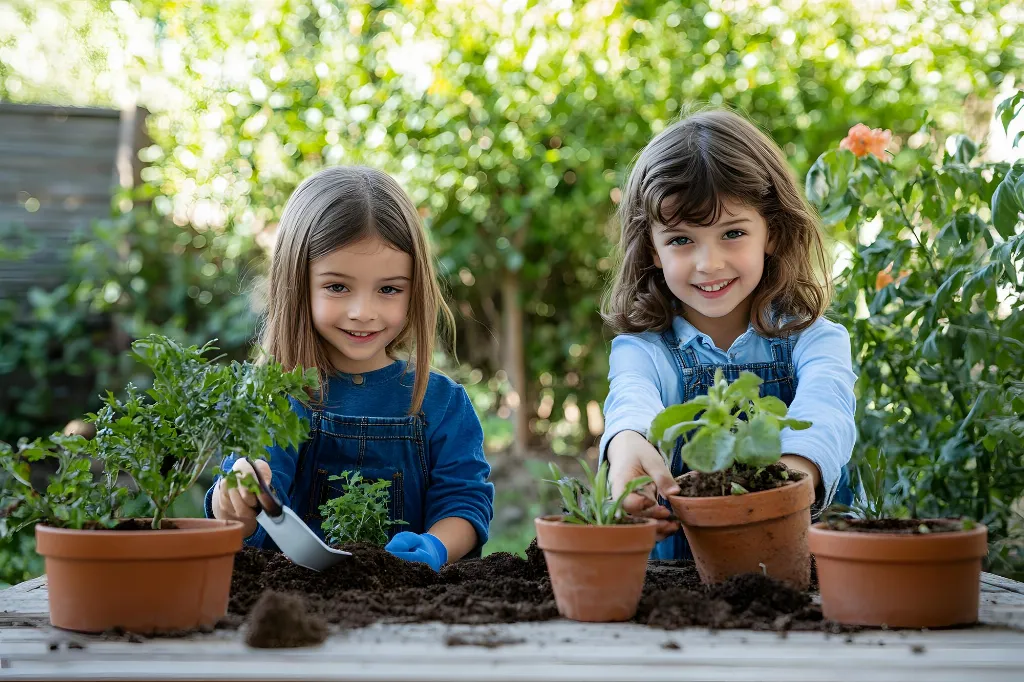
 Plants can make a child care space feel calmer, brighter, and more inviting. They also help children connect with nature by touching leaves, smelling flowers, watching growth, and caring for living things. But not every plant is safe for young children. This article helps child care providers choose non-poisonous plants for classrooms, gardens, and playgrounds, with simple safety steps, easy plant ideas, and practical ways to turn plants into learning tools.
Why should child care programs choose safe, non-poisonous plants?
Young children explore with their hands and mouths. They may touch leaves, pull flowers, or try to taste berries.
That is why plant safety matters.
Choosing non-poisonous plants can help you:
- lower the risk of poisoning
- make outdoor and indoor spaces safer
- support hands-on learning
- give families more confidence in your program
A very helpful ChildCareEd resource for this topic is: Safe and Unsafe Plants for Children Buy Now $0.00
This resource helps providers learn which plants are safer choices and which ones may be risky around children.
How can providers check if a plant is safe for children?
The safest approach is simple:
If you are not sure about a plant, do not let children touch or taste it.
Use this quick safety routine:
- identify every plant in the space
- remove plants you cannot identify
- compare plants to trusted child-safety resources
- keep unknown berries, seeds, and leaves out of reach
- teach children to always ask an adult before touching or tasting plants
It also helps to walk your classroom, playground, or garden often and look for anything new growing in the area.
What kinds of plants are good choices for child care spaces?
The best plants for child care settings are:
- non-poisonous
- easy to care for
- interesting to smell, touch, or observe
- safe for supervised learning
Good child-friendly plant choices often include:
- herbs like basil and mint
- marigolds
- sunflowers
- lamb’s ear
- strawberries in supervised garden spaces
- other non-poisonous regional plants
Programs should still double-check every plant before using it.
A helpful ChildCareEd resource for regional ideas is: Child Friendly Native Plants of Texas Buy Now $0.00
This is especially useful for programs that want child-friendly native plant ideas and nature-based learning inspiration.
Why are native plants a helpful choice?
Native plants can be a smart option because they are often easier to grow in your area.
They may also:
- fit local weather better
- need less extra care
- support local insects and pollinators
- help children learn about nature close to home
If your program wants a garden that feels natural and supports learning, native plants can be a great place to start.
What plant safety problems should child care providers watch for?
Some plants can attract children because they look pretty, bright, or fun to touch.
Be extra careful with plants that have:
- bright berries
- seed pods
- shiny leaves
- milky sap
- thorns
- mushrooms growing nearby
- fallen leaves or flowers children may pick up
A common mistake is thinking a plant is safe just because it looks harmless.
That is why staff should use trusted resources and not guess.
The ChildCareEd poisonous plant guide is a smart tool for this: Poisonous Plants Safety Guide Buy Now $0.00
How can programs keep plant areas safe over time?
Plant safety is not a one-time task. It should be part of your regular safety routine.
Here are easy ways to stay on track:
- check plants every month
- remove unknown plants or weeds
- replace damaged labels
- keep tools out of children’s reach
- store plant food and sprays safely
- watch for berries, pods, or mushrooms
- review the space after storms or seasonal changes
It also helps to assign one staff member to check outdoor plant areas regularly.
Small checks can prevent bigger safety problems later.
Should child care programs label plants?
Yes. Labeling plants is a very smart idea.
Plant labels can help:
- staff know what is safe
- children learn plant names
- families understand what is growing
- everyone avoid confusion
The best labels are simple and easy to read.
You can include:
- the plant name
- a photo
- a simple note like “Look, don’t eat”
- a picture symbol for younger children
Labels turn your plant area into both a safety tool and a learning tool.
Can children learn with plants in a safe way?
Yes — plants are wonderful for learning when adults plan carefully.
Safe plant activities can support:
- science
- math
- language
- sensory learning
- responsibility
Here are some easy ideas:
- plant seeds and watch them grow
- smell herbs and describe the scent
- count petals or leaves
- measure plant growth
- water plants with teacher help
- make simple plant observation charts
- compare leaf shapes and colors
Children learn a lot from nature, especially when adults guide the activity and keep it safe.
A helpful ChildCareEd article for nature-based learning is: Creative Ways to Use Nature as Your Classroom
This article supports the idea of using nature as a safe, engaging learning space.
What rules should children learn about plants?
Children need simple, clear rules.
Good plant safety rules include:
- ask an adult before touching a plant
- never taste a plant without permission
- smell gently, not too close
- do not pick berries or flowers without a teacher
- wash hands after gardening or plant activities
These rules are easy to teach and easy to repeat during outdoor time.
What are common plant safety mistakes in child care?
Here are some mistakes programs make:
Keeping unknown plants in reach
Fix this by identifying every plant in the area.
Using pretty plants without checking safety first
Fix this by comparing them with trusted child-safety resources.
Forgetting to label plants
Fix this by adding clear names and simple safety reminders.
Using sprays or chemicals near children
Fix this by keeping all garden supplies locked away and away from play spaces.
Letting children taste plants without a clear plan
Fix this by allowing tasting only with direct adult supervision.
These mistakes are common, but they are easy to improve.
What ChildCareEd courses can support this topic?
Here are 3 ChildCareEd training courses that fit this topic well because they support safety, supervision, and healthy learning environments:
1. A Watchful Eye: Supervision in Early Childhood
This course supports close supervision, which is very important when children explore gardens, nature tables, and outdoor spaces.
https://www.childcareed.com/courses-a-watchful-eye-supervision-in-early-childhood.html
2. 1,2,3, Eyes on Me: Classroom Safety
This course helps staff build safer routines and notice hazards before children get hurt.
https://www.childcareed.com/courses-123-eyes-on-me-classroom-safety.html
3. Health and Safety Orientation Training
This course supports everyday safety practices that matter in classrooms, outdoor spaces, and child care environments.
https://www.childcareed.com/courses-health-and-safety-orientation-training.html
Quick FAQ
What if I am not sure whether a plant is safe?
Do not let children touch or taste it until you confirm it is safe.
Should children be allowed to taste herbs or garden foods?
Yes, but only with adult permission, close supervision, and proper washing.
Do indoor classroom plants need safety checks too?
Yes. Indoor plants should also be checked to make sure they are safe for children.
What is the easiest first step for providers?
Walk your space, identify every plant, and remove anything unknown or unsafe.
What should providers do next?
Here are good next steps:
- walk your classroom and playground areas
- identify every plant children can reach
- remove or block unsafe plants
- label safe plants clearly
- train staff on simple plant rules
- use ChildCareEd plant resources during staff meetings
- plan safe plant learning activities for children
These small steps can make your program safer and more welcoming.
Final takeaway
Plants can be a wonderful part of child care classrooms and playgrounds.
They support learning, curiosity, and calm spaces. But safety comes first.
When providers choose non-poisonous plants, label clearly, supervise well, and teach simple rules, children can enjoy nature in a safer way.
- Building Equity: Inclusionary Practices in Preschool
- From Tantrums to Triumphs: Equipping Preschoolers with Self-Regulation Skills
- Play Safe, Think Big: Literacy Through Play
- Emergent Learning & Development
- Risk Reduction: Infants and Toddlers in Family Child Care
- Spaces that Support Discovery
- Behind the Scenes: Baby Routines ONLINE
- Every Moment Matters: Schedules and Transitions
- The Prepared Environment: Montessori Class Design
- Trauma-Sensitive Care: Supporting Young Children with Empathy
- CDA Certification en Español: Recursos y Consejos para Educadores Bilingües
- ⏰ Cómo puedo facilitar las transiciones y las rutinas diarias en mi aula?
- Recursos en Español sobre el Sueño Seguro del Bebé
- ¿Cómo afecta la dopamina a los niños: señales, efectos e influencias diarias?
- Capacitación en Salud y Seguridad Preventiva en Línea para Proveedores de Cuidado Infantil
- Proporciones de Cuidado Infantil y Tamaños de Grupo por Edad en Virginia (Guía Rápida para Centros y Hogares)
- Lista para Guardería en Casa en Illinois: Cómo Iniciar una Guardería en el Hogar
- Por Qué la Supervisión Activa Es Clave para la Seguridad en el Cuidado Infantil
- Consejos de Supervisión Activa para Salones de Preescolar y el Juego al Aire Libre
- Capacitación Previa al Servicio para Proveedores de Cuidado Infantil en Nevada
- How can DC early childhood educators keep children safe from poisonous plants during outdoor play?
- How can Florida early childhood educators protect children from poisonous plants, bugs, and outdoor hazards?
- How can Washington child care programs keep playgrounds safe from stinging insects, slugs, and harmful plants?
- How can Washington early childhood programs keep children safe from poisonous plants and forest wildlife outdoors?
- How can Oklahoma early childhood educators keep children safe from poisonous plants, spiders, and snakes outdoors?
- How can Florida child care programs keep kids safe from snakes, insects, and harmful plants on the playground?
- Why is outdoor education essential for children growing up in North Dakota?
- How can Washington classrooms be more inclusive using nature, play, and community?
- Non-Toxic Plants for Child Care Outdoor Spaces
