As a caring early childhood professional in #Florida, you want children to explore and learn safely outside. Outdoor play helps ch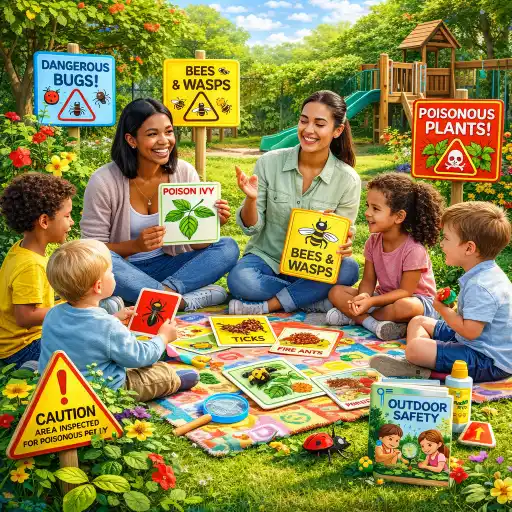 ildren grow, but it also brings risks from plants, insects, snakes, water, and playground equipment. This short guide helps directors and teachers spot hazards, plan safer outdoor time, and know what to do if a child is exposed or hurt. For detailed plant lists and images, see the ChildCareEd resource Lists and Images of Poisoning Plants Buy Now $0.00, and for safe plant choices, use List of Non-Poisonous Plants.
Why this matters: Outdoor learning supports movement, thinking, and social skills. But one bite, a swallowed berry, a sting, or a trip can ruin learning and trust. Following clear steps lowers risk and helps families feel confident. Remember: state requirements vary - check your state licensing agency.
What plants, bugs, and outdoor hazards should we watch for?
1. Insects and ticks 2. 🐜 Mosquitoes, ticks, bees, wasps, and fire ants can bite or sting. Bites may itch or carry disease. CDC guidance on outdoor play recommends checking for ticks and using EPA-registered repellents with parent permission; see CDC Outdoor Play and Safety.
2. Snakes and wildlife 3. 🐍 Florida has many snakes. Teach children to tell an adult if they see one and remove brush around play areas. The University of Florida offers school-yard guidance: Dealing with Venomous Snakes in Florida School Yards.
3. Water and playground risks 4. Pools, drainage ditches, and playground surfacing matter. Follow CDC and ChildCareEd water and playground safety tips: CDC and Creating Safe Outdoor Play Environments.
How can we prevent poisonings, bites, and injuries during outdoor time?
- 🧭 Do a monthly hazard check. Walk the yard and identify plants, standing water, sharp objects, and animal signs. Use a hazard map tool like the ChildCareEd planning resource: Creating Safe Outdoor Play Environments.
- 🔖 Label and remove. Label safe plants and remove or block access to unknown or poisonous ones. See ChildCareEd plant safety lists for help: Safe Plant Choices.
- 🧴 Use repellents wisely. With family permission, apply EPA-registered repellents. The CDC recommends following label instructions; for product details, see NPIC's picaridin fact sheet: Picaridin Fact Sheet.
- 🪑 Check play equipment and surfacing. Choose age-appropriate equipment and soft surfacing. ChildCareEd and CDC list playground safety steps: Playground and Water Safety Buy Now $0.00 and CDC.
- 🚰 Remove standing water. Empty buckets, drain trays, and fix drainage to reduce mosquitoes. Teach staff to check after storms.
- 🧹 Keep areas tidy. Mow grass, remove wood piles, and store trash to reduce wildlife and insects. UF guidance suggests clearing brush to lower snake visits: UF.
What should staff do if a child is bitten, stung, or exposed?
1. For insect stings or bites:
- 🐝 Remove stinger by scraping (do not squeeze). Clean with soap and water. See NIOSH advice on stinging insects: NIOSH Stinging Insects.
- Give first aid for pain and call guardians if symptoms get worse. For signs of allergic reaction (trouble breathing, swelling, hives), call 911 immediately and use epinephrine if prescribed.
2. For possible poisoning from plants:
- 💧 If a child swallowed a plant, do not make them vomit. Rinse your mouth and take the plant sample or photo.
- Call Poison Control at 1-800-222-1222 and follow their instructions. ChildCareEd plant guides can help with identification: Poisonous Plant Images Buy Now $0.00.
3. For snake or spider bites:
- 🩹 Keep the child still, wash the area, and get emergency care if a venomous bite is suspected. See Cedars-Sinai on serious spider bites: Spider Bites in Children.
- Document the incident, notify guardians, and file incident reports per your policies and licensing rules.
How can programs build routines, training, and policies to keep children safer outside?
1. Training and drills 1. 🧑🏫 Require staff to complete First Aid, CPR, and allergy training. ChildCareEd offers courses that meet many state training needs: Health & Safety Training Resources Buy Now $0.00. Regular refreshers build confidence.
2. Written plans and parental permission 2. 📋 Keep up-to-date emergency plans, anaphylaxis plans, and repellent/sunscreen permission forms. State rules vary - check your licensing agency.
3. Supervision rules 3. 👀 Use active supervision, set sight and sound lines, and keep higher-risk activities within reach of trained adults. ChildCareEd supervision courses are helpful: 16-Hour Pre-Service and Success in Safety for Babies Buy Now $35.00.
4. Communication 4. 📞 Share hazards and prevention steps with families. Post labels on plants and signs near water. Use family notes when hazards are treated or removed.
5. Maintenance schedule 5. 🔧 Set monthly checks for plants, fences, surfacing, and drainage. Document repairs and removals.
Common mistakes and how to avoid them:
- Assuming a plant is safe—always identify or remove unknown plants.
- Relying on repellents without parent consent—get written permission and follow labels.
- Letting distractions reduce supervision—keep staff focused during risky play.
FAQ (short)
- Q: Should we allow insect repellent? A: Yes, with parental permission and by following label directions; see CDC guidance: CDC.
- Q: What if we find a poisonous plant? A: Remove or block it, document, and tell families. Use ChildCareEd plant resources: Safe Plants.
- Q: Who to call for a bite or poisoning? A: Poison Control 1-800-222-1222 and emergency services if severe.
- Q: How often train staff? A: Annually for many topics; more often for CPR or new staff. See ChildCareEd training list: Training Resources Buy Now $0.00.
Conclusion
1. Protecting children in outdoor spaces is doable with simple routines: identify hazards, remove or block risks, keep families informed, and train staff. 2. Use ChildCareEd plant guides and safety posts plus CDC and NPIC facts to back your decisions: ChildCareEd, CDC, NPIC. 3. Keep your program safe so children can enjoy learning outdoors. Your careful planning turns risk into safe play and strong learning.
2. Poisonous plants 1. 🪴 Many common yard plants have berries, sap, or leaves that can hurt children if touched or eaten. Use the ChildCareEd poisonous plant lists for photos and names: Lists and Images of Poisoning Plants Buy Now $0.00. Also, keep a list of safe plants from Non-Poisonous Plants. 1. Stay calm and act quickly. Use your training. ChildCareEd emphasizes First Aid and CPR training for all staff: First Aid and CPR.Use a few simple habits to keep playing safely. Here are the steps you can start today:
- Creating the Natural Outdoor Classroom
- CDA Preschool Credential with Portfolio Review
- 1,2,3, Eyes on Me: Classroom Safety
- Unlocking Support for Florida Childcare
- CDA Infant/Toddler Credential with Portfolio Review
- CDA Bridge Bundle: Family Child Care without Portfolio Review
- CDA Bridge Bundle: Infant/Toddler without Portfolio Review
- CDA Bridge Bundle: Preschool without Portfolio Review
- Family Child Care: Building, Premises, and Outdoor Safety
- CDA Certification en Español: Recursos y Consejos para Educadores Bilingües
- Cuáles Son las Señales de Alerta en el Desarrollo Infantil que Todo Educador Debe Conocer?
- Cómo Abrir Una Quardería En Casa Sin Dinero?
- ¿Cuáles son las mejores actividades del Día de la Tierra para niños en casa o en el aula?
- Consejos de Supervisión Activa para Salones de Preescolar y el Juego al Aire Libre
- Retraso del Habla en la Guardería: Cómo Pueden Ayudar los Proveedores
- Cómo Trabajar en el Cuidado Infantil en Carolina del Norte: Requisitos y Pasos
- How can Oklahoma nature walks and outdoor trips teach young children?
- How can DC early childhood educators keep children safe from poisonous plants during outdoor play?
- How can Florida early childhood educators protect children from poisonous plants, bugs, and outdoor hazards?
- How can Washington child care programs keep playgrounds safe from stinging insects, slugs, and harmful plants?
- How can Washington early childhood programs keep children safe from poisonous plants and forest wildlife outdoors?
- How can Oklahoma early childhood educators keep children safe from poisonous plants, spiders, and snakes outdoors?
- How can Florida child care programs keep kids safe from snakes, insects, and harmful plants on the playground?
- Non-Toxic Plants for Child Care Outdoor Spaces
- Cómo simplificar la capacitación para sus empleados de daycare
- Why Should Early Childhood Programs Prioritize Outdoor Play?
- What’s Happening Outside? Fall Science Adventures for Preschoolers
- How Can Child Care Providers Make Outdoor Learning Meaningful, Safe, and Inclusive?
