Guided play is a friendly, hands-on way children learn. In guided play, adults set up the space and ideas, then follow the child’s lead. This helps kids feel safe, curious, and ready to try new things. In this guide, you will find clear steps, short lists, and links to helpful resources for providers in #Minnesota. We use #guidedplay and #playbased ideas to support #children as they grow #learning skills every day.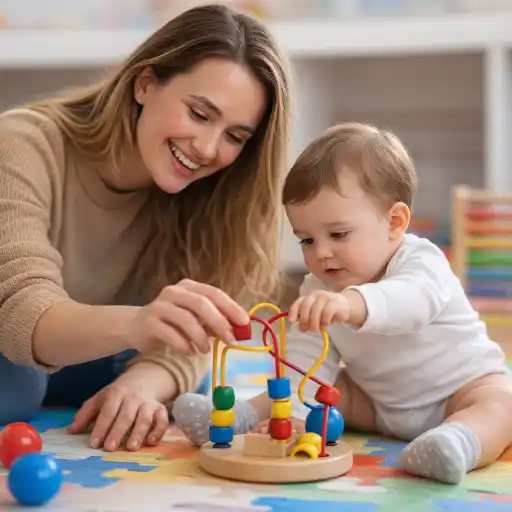
What is guided play and why does it matter?
1. Guided play is a mix of child-led play and gentle adult guidance. It is different from free play because the adult has a learning goal and uses questions or props to nudge learning. For plain-language ideas and examples, see ChildCareEd’s article on How to Foster Friendship Skills Through Guided Play and the overview What are play-based learning approaches?.
2. Why it matters:
- 🎯 Guided play builds language, thinking, and social skills.
- 🔁 It keeps play joyful while helping children reach small goals.
- 📚 Research shows guided play can boost early math and self-control; read a clear review at What Does Research Really Say About the Power of Play?.
3. Quick tip: Use short goals (1–2 skills) and simple props. Remember: state requirements vary - check your state licensing agency.
How do I set up guided play in my Minnesota program?
1. Start with a clear room plan. Simple stations help children choose and stay focused. ChildCareEd explains easy center ideas in How can we use play-based learning in preschool?.
2. Practical setup steps (do these first):
- 🧱 Offer 4–6 stations: blocks, dramatic play, art/sensory, books, outdoor play, quiet area.
- 🎨 Use open-ended materials: loose parts, fabric, boxes, and simple props.
- 🔁 Rotate items weekly so play stays fresh.
- ⏱ Protect at least one long play block (30–60 minutes) so ideas can grow.
- 🌳 Plan daily outdoor movement and follow state safety guidance; MN tips are at the MN Dept. of Health – Early Care and Education Physical Activity.
3. Minnesota resources: Use local milestone guidance from Help Me Grow MN when you plan activities for ages. Also check licensing: state requirements vary - check your state licensing agency.
How do teachers guide play without taking over (and what mistakes should we avoid)?
1. Five simple steps teachers can use right away:
- 👀 Observe first: watch what children choose and how they play.
- 🤝 Join briefly: add a word, a new prop, or a model of a skill, then step back.
- 🗣 Ask open questions: “What are you making?” or “How can we share that?”
- ⏸ Step back: let children try their ideas and solve small problems with peers.
- 📸 Record one short note or photo of the learning moment.
2. Common mistakes and fixes:
- ⚠️ Mistake: Doing the work for the child. ✅ Fix: Offer a choice and wait for them to act.
- ⚠️ Mistake: Too-small play blocks. ✅ Fix: Give longer, uninterrupted time.
- ⚠️ Mistake: Only single-use toys. ✅ Fix: Use open-ended materials that invite many ideas.
3. For more classroom coaching ideas, see ChildCareEd’s play-based guides like What Is Play-Based Learning and Why Does It Work?.
How do we observe, document, involve families, and know whether guided play worked?
1. Quick documentation steps (easy for busy staff):
- 📸 Take 1 photo of a child during play.
- 📝 Write 1 short sentence: who, what skill, next step.
- 🔁 Share one tiny home idea with the family.
2. Tools and rules:
- Use short lesson templates from ChildCareEd like Toddler Lesson Plans.
- For formal assessment, consider frameworks such as the DRDP (2015) Preschool view to link play to development.
- Train staff: look into sessions like Play, Learn, Grow (Zoom) to practice guided play techniques with your team.
3. FAQ (short):
- Q: Will the play delay academics? A: No. Play builds the skills children need for school.
- Q: How long should play blocks be? A: Aim for 30–60 minutes when possible.
- Q: How to explain guided play to families? A: Share one photo and one skill the child practiced—simple wins work best.
- Q: Where to get MN health or activity guidance? A: See the MN Dept. of Health page.
Summary
1. Guided play blends child choice with gentle adult support. 2. Set clear stations, use open materials, and protect long play times. 3. Observe, join briefly, ask open questions, step back, and document tiny wins. 4. Use local MN resources and ChildCareEd guides to train staff and show leaders results. You are making a safe place where #children practice #learning through # play-based and #guidedplay moments every day. State requirements vary - check your state licensing agency.
- CDA Home Visitor Subject Area 3 Part 3 Birth to 5
- CDA Preschool Credential with Portfolio Review
- Children at the Wheel: Emergent Curriculum
- Pediatric RSV First Aid & CPR/AED
- Family Child Care Health Essentials
- CDA Bridge Bundle: Family Child Care without Portfolio Review
- CDA Bridge Bundle: Infant/Toddler without Portfolio Review
- CDA Bridge Bundle: Preschool without Portfolio Review
- Texas Director Credential
- Spicing Up the Classroom: Learning Centers
- CDA Certification en Español: Recursos y Consejos para Educadores Bilingües
- Que es Título 22 en California?
- Regulaciones de Licenciamiento de Cuidado Infantil en California para Centros y Hogares de Cuidado Infantil Familiar
- Proporciones de Cuidado Infantil y Tamaños de Grupo por Edad en Maryland (Guía Rápida para Centros y Hogares)
- Proporciones de Cuidado Infantil y Tamaños de Grupo por Edad en Virginia (Guía Rápida para Centros y Hogares)
- Cómo Trabajar en el Cuidado Infantil en California: Requisitos y Pasos
- What new changes are coming to childcare in Minnesota and how will they affect providers?
- What's new for child care providers in Minnesota in 2026?
- Can Toddlers Do STEM in the Sandbox at Minnesota Daycares?
- How can ChildCareEd's behavior management courses help Minnesota childcare providers handle challenging situations without outside support?
- Celebrando la amistad en el cuidado infantil durante el Día de los Mejores Amigos
- Canciones, juegos y preguntas de círculo para niños
- How can Minnesota child care programs keep kids learning and engaged over the summer?
- How do Minnesota child care providers support child health and family stability?
- How can Minnesota child care providers celebrate National Ice Cream Day safely and with fun activities?
- What Is Guided Play and How Can Minnesota Providers Use It?
- Why Does Self-Regulation Matter More Than ABCs for Minnesota Kindergarten Readiness?
- How do I choose age-appropriate toys and materials for my Minnesota program?
- Reglas y regulaciones de guarderías en Minnesota 2026: Requisitos actuales y próximos cambios
