Minnesota winters are long, cold, and dark. For child care providers and directors, those seasons change how kids play, sleep, and feel. This article explains what winter can do to young children’s minds and hearts. It also gives clear steps your program can take to help. Remember: state requirements vary - check your state licensing agency. In your #Minnesota program, you can protect #children and their #mentalhealth by planning safe outdoor time, cozy indoor choices, and simple screening routines that spot trouble early.
1) How do Minnesota winters change children’s daily experiences?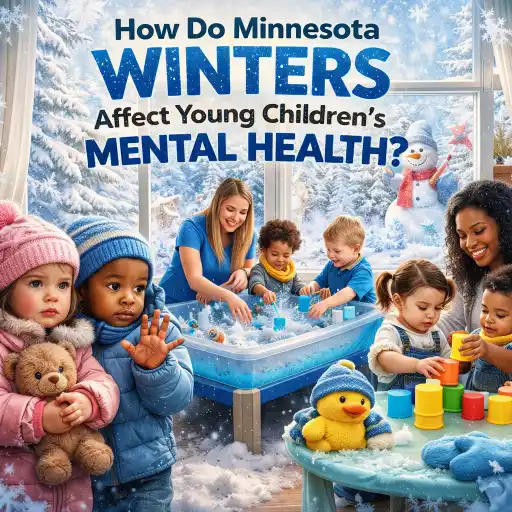
Why it matters:
- Kids build bodies and brains from movement and light — less outdoor time can slow that growth. See MN Dept. of Health guidelines on activity: Early Care and Education Physical Activity.
- Small mood changes can add up. When many children feel low energy, classrooms feel harder to run.
2) Can cold and short days harm young children’s mood and behavior?
Simple signs to watch for (enumerated):
- 😔 Less interest in toys or friends.
- 😴 Sleeping more than usual or hard to wake.
- 🍩 New cravings for sugary snacks or big appetite changes.
- ⚠️ Big mood swings, or talking about not wanting to go on.
If you see patterns that last weeks, talk with families and consider medical help. ChildCareEd offers helpful strategies for supporting kids through winter moods: Mental Health for Tiny Elves.
3) What can child care programs do right now to protect children’s mental health?
Top actions (numbered):
- 🕶️ Increase light: Move play near windows, use full-spectrum bulbs in staff areas, and plan outdoor time near midday for sunlight boost. See ideas in Bye Bye Winter.
- 🧥 Keep outdoor play regular: Short, frequent outdoor blocks help. Follow MN activity guidance: Early Care and Education Physical Activity.
- 🍲 Support routines and food: Regular meal and sleep times help mood stability. Offer healthy options and involve kids in simple snack choices.
- 📚 Teach coping: Use stories, breathing breaks, and a cozy calm corner. ChildCareEd’s mental health guide offers classroom practices: How Can Child Care Programs Support Children’s Mental Health?.
🧠 Children's mental health support: To build staff confidence in recognizing and responding to winter mood changes and social-emotional concerns, ChildCareEd's A Thoughtful Approach to Children's Mental Health  Buy Now $24.00 is a 3-hour online course covering how to identify emotional needs, use supportive classroom strategies, and know when to refer for extra help — a direct match for the observation, screening, and family partnership steps outlined in this guide.
🌿 Wellness and healthy habits: For staff who want to strengthen how they support children's physical and emotional wellbeing through routine and movement, ChildCareEd's Wellness in Action: Teaching Healthy Habits to Children Buy Now $55.00 is a 6-hour online course covering how to weave health, activity, and wellness into everyday classroom routines — directly supporting the outdoor time, meal routines, and movement strategies described throughout this article.
5.📣 Partner with families: Share observations, quick photos, and tips for clothing and sleep. Make a plan together if a child seems low.
Programs can also use structured drop-off strategies to ease transitions; see the seminar Strong Good Hug, And A Kiss to Say Good Bye for practical techniques to reduce separation anxiety and make morning arrivals calmer for children and families.
Common mistakes and how to avoid them:
- ❌ Mistake: Treating outdoor time as a reward. ✅ Fix: Schedule it daily as part of learning.
- ❌ Mistake: Waiting to act until behavior gets extreme. ✅ Fix: Use brief checks each week and start simple supports early.
4) How do we spot children who need extra help and what supports work best?
Spotting needs early helps children get support before problems grow. Use observation, talk with families, and follow clear steps. The CDC has data and resources about youth mental health and supports: Mental Health Conditions & Care. Child care programs can use social-emotional screeners and refer families when needed. ChildCareEd explains screening and family partnership ideas: How Can Child Care Programs Support Children’s Mental Health?.
Step-by-step (enumeration):
- 💬 Document 1–2 weeks of consistent behaviors: sleep, play, appetite, attention.
- 🤝 Talk with the family: Start with strengths, share one clear example, and ask what’s happening at home.
- 📞 Refer if needed: Suggest a pediatric visit or local early childhood mental health consultant. For SAD or serious mood changes, medical advice is important (Nemours on SAD).
- 🔁 Follow up: Keep short notes and meet again in 1–2 weeks to track change.
FAQ (quick):
- Q: When is it SAD vs normal winter low mood? A: SAD often repeats each winter and affects sleep, appetite, and daily enjoyment. Ask a medical provider for diagnosis. See Nemours.
- Q: Can indoor activities replace outdoor play? A: No — both matter. Try indoor movement and frequent short outdoor blocks (MN Dept. of Health guidance).
- Q: What if families resist screening? A: Share strengths, offer simple tools, and provide local resources gently. ChildCareEd has family engagement tips.
Conclusion
Minnesota winters change how children play and feel. As providers, small changes make a big difference: keep routines, add light and movement, work with families, and screen early when you see lasting changes. Use local resources and trainings from ChildCareEd and state partners to build staff skills. For weather and safety planning, include winter storm guidance like the Red Cross tips: Winter Storm Preparedness & Blizzard Safety. Protecting kids in winter is practical, kind, and doable. Start with one small change this week — a sunny window seat, a 10-minute midday walk, or a calm corner — and build from there. Your care matters.
Minnesota winters bring 1) colder air, 2) less daylight, and 3) more indoor time. These changes affect kids in real ways. Shorter days lower the amount of sunlight children get. Less sunlight can change sleep and mood because our brains use light to set sleep chemicals. For providers, this means you may see more tired children, slower play, and more irritability. Outdoor play is still important, but you may need shorter, more frequent blocks outside with warm layers and grab-and-go gear. See practical winter ideas at Winter Classroom Activities for Child Care Providers and tips about nature-based learning at How can we use nature-based learning through Minnesota's outdoor seasons?. Programs can do a lot with small steps. Use these practical actions that fit busy schedules. State requirements vary - check your state licensing agency before changing routines. Yes, sometimes. Many children get the “winter blues” when days are short. A small number may show Seasonal Affective Disorder (SAD). Common signs include low energy, more sleep, less interest in play, or irritability. The kid-friendly guide from Nemours explains SAD symptoms and ways to help: Seasonal Affective Disorder (SAD). Experts also note that northern latitudes like ours have higher SAD rates, so watch children who change a lot when winter comes (With days getting shorter, are you at risk for seasonal depression?).
- Mental Health for Tiny Elves: Supporting Kids Through Winter Blues
- 🔍 ¿Qué ves cuando observas a un niño aprender?
- 💛🧩 ¿Cómo puedo hacer que mi enseñanza sea inclusiva para los niños con autismo?
- 🩺 Cumplimiento de Salud e Inmunización en Cuidado Infantil de Nevada ✔️
- ¿Cómo pueden los equipos de cuidado infantil practicar habilidades rápidas de primeros auxilios en situaciones reales?
- 10 Ejemplos de Cómo la Cultura Influye en el Desarrollo Infantil
- Capacitación en Salud y Seguridad Preventiva en Línea para Proveedores de Cuidado Infantil
- Regulaciones de Cuidado Infantil en Maryland para Centros y Hogares de Cuidado Infantil Familiar
- Regulaciones de Licenciamiento de Cuidado Infantil en California para Centros y Hogares de Cuidado Infantil Familiar
- Requisitos de Cuidado Infantil en Nueva Jersey para Centros y Proveedores de Cuidado Infantil Familiar
- Reglas de Cuidado Infantil en Illinois
- Lista para Abrir una Guardería en Casa en Carolina del Norte: Cómo Empezar
- Lista para Guardería en Casa en Illinois: Cómo Iniciar una Guardería en el Hogar
- Guías del Clima para el Juego al Aire Libre en el Cuidado Infantil
- Lista para Guardería en Casa en Texas: Cómo Iniciar una Guardería en el Hogar
- ¿Qué Temperatura Es Demasiado Fría para Jugar al Aire Libre en el Cuidado Infantil?
- How Do Minnesota Winters Affect Young Children's Mental Health?
- Canciones, juegos y preguntas de círculo para niños
- Reglas y regulaciones de guarderías en Minnesota 2026: Requisitos actuales y próximos cambios
