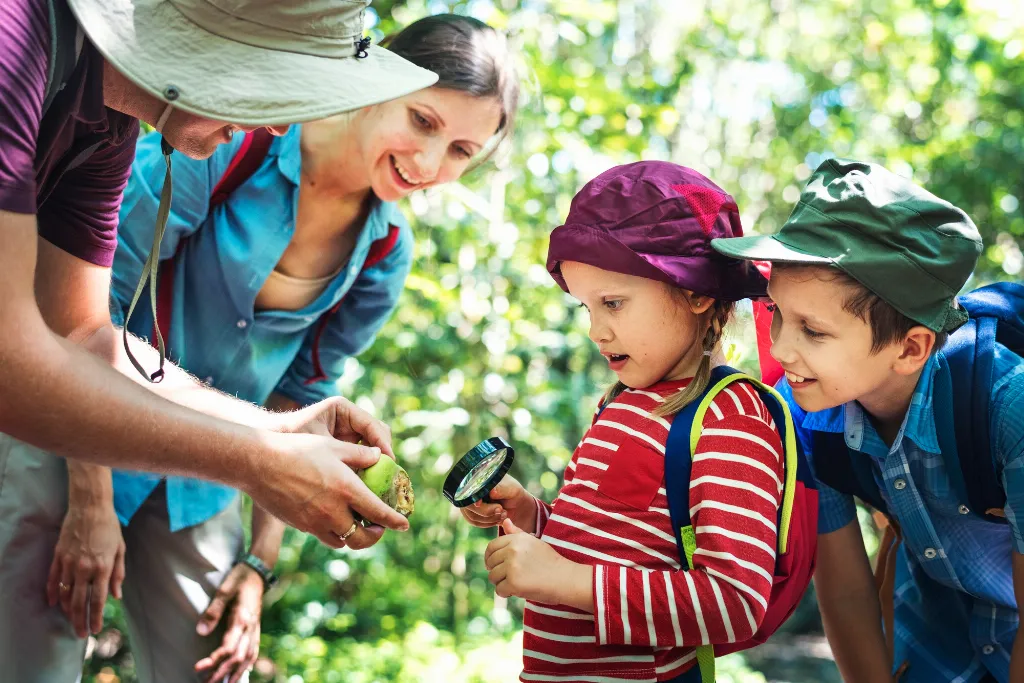
 Field trips are exciting for children and helpful for teachers. A good trip gives children a chance to see, touch, and explore new things in the real world. It can also build curiosity, confidence, social skills, and stronger classroom learning.
The best field trips match the age of the group, your lesson goals, and your safety plan. When you keep the trip simple and well organized, it can become one of the most meaningful parts of your program.
For help with planning meaningful trips, visit ChildCareEd’s course: Enriching Education: Field Trips. This training focuses on the benefits of field trips, planning procedures, supervision, and connecting trips to curriculum.
How do I choose age-appropriate field trip ideas?
Choose trips that fit the children’s age, attention span, and interests. Younger children do best with short, simple outings. Older children can usually handle longer trips with more discussion and observation.
Preschool field trip ideas
Preschoolers do best with short, sensory-rich trips close to your program. Good options include:
-
a local aquarium
-
a petting farm
-
a children’s museum
-
a garden center
-
a library storytime
-
a short nature walk
These trips give young children time to explore without becoming too tired or overwhelmed.
Elementary field trip ideas
Elementary-age children can usually handle more detailed experiences. Good options include:
-
science centers
-
museums
-
planetariums
-
historic sites
-
nature centers
-
community service visits
These trips work well when children can ask questions, make observations, and connect the experience to something they are learning.
Summer camp field trip ideas
Summer camp groups often enjoy active and hands-on experiences. Good options include:
-
parks and hiking trails
-
splash pads or nature centers
-
farms
-
community events
-
art workshops
-
themed field trip days
If transportation is difficult, you can also bring the experience to your site with guest visitors, animal presentations, or mobile learning programs.
For more ideas and planning help, you can also link to this ChildCareEd article: Field Trip Planning. ChildCareEd also has state-specific field trip idea articles, including California, Texas, and Georgia.
How do I keep children safe on a field trip?
Safety should be part of every step of your planning. A clear plan helps protect children, staff, and families.
Before the trip, collect permission slips, emergency contacts, and health information. Double-check your attendance list and make sure you know who is riding, walking, or participating.
Assign staff roles before leaving. Decide who will lead the group, who will count children, who will carry emergency items, and who will handle medications if needed.
During the trip, use active supervision at all times. Keep children within sight and hearing, especially during transitions. Bright shirts, name tags, and buddy systems can also help groups stay together.
Bring:
-
a first-aid kit
-
emergency contacts
-
medication forms if needed
-
a charged cell phone
-
water and other needed supplies
For safety training, use ChildCareEd’s Transportation and Field Trip Safety course at Transportation Safety  Buy Now $16.00. This course covers supervision, passenger restraints, vehicle safety, and planning for field trips.
How can I connect field trips to learning?
Field trips work best when they are part of your lesson plan, not just a fun outing.
Before the trip, talk about where you are going. Teach a few simple words, show pictures, or read a related book. Ask children what they think they will see.
During the trip, encourage children to notice details. You can ask simple questions like:
-
What do you see?
-
What do you hear?
-
What colors do you notice?
-
What do you think will happen next?
After the trip, keep the learning going. Children can draw pictures, make a class book, talk about their favorite part, or act out the experience in dramatic play.
How can I make field trips low-cost and inclusive?
You do not need a big budget to plan a great field trip. Many simple community places offer rich learning experiences.
Low-cost ideas include:
-
local parks
-
libraries
-
farmers markets
-
fire stations
-
neighborhood walks
-
small local businesses
-
community gardens
To make trips more inclusive, communicate with families early. Share the schedule, what children should wear, and any special items they need to bring. If a child has mobility, medical, sensory, or dietary needs, plan ahead so they can safely join the experience.
Food safety matters on trips too, especially if snacks or meals are involved. For support with allergy awareness and planning, include this ChildCareEd resource: Managing Food Allergies In Schools Buy Now $0.00
What should I do after the trip?
After the trip, take time to reflect with the children and your staff.
Talk about:
-
what children enjoyed
-
what they learned
-
what worked well
-
what you would change next time
You can also share photos, child quotes, or artwork with families. This helps families feel connected and shows that the trip supported real learning.
Quick checklist for a successful field trip
Before you go, make sure you have:
-
permission slips
-
emergency contacts
-
health and medication information
-
staff assignments
-
transportation plans
-
attendance tracking
-
first-aid supplies
-
a simple learning goal for the trip
- Appropriate Precautions in Transportation of Children
- Transportation and Field Trip Safety
- Emergent Learning & Development
- 24 Hour Texas Pre-Service
- Transportation and Field Trip Safety in the Early Childhood Environment
- CDA Bridge Bundle: Preschool without Portfolio Review
- Key Elements of an After School Program
- 45-Hour Infant and Toddler Curriculum
- Enriching Education: Field Trips
- Planning Summer Fun: Texas Child Care Providers
- 4th of July Fun Facts
- Las Mejores Ideas de Excursiones para Guarderías en Dakota del Norte
- Las Mejores Ideas de Excursiones para Guarderías en Texas
- Las Mejores Ideas de Excursiones para Guarderías en Georgia
- Best Daycare Field Trip Ideas in Maryland
- How can I use beach and ocean-themed summer activities in my California early childhood classroom?
- What California children’s museums best support hands-on preschool learning?
- Summer Field Trips for Daycares in Nevada
- Summer Field Trips for Daycares in Texas
- Summer Field Trips for Daycares in Wisconsin
- Summer Field Trips for Daycares in Virginia
- Summer Field Trips for Daycares in Maryland
- Summer Field Trips for Daycares in North Carolina
- Summer Field Trips for Daycares in California
- Easy Pool Noodle Sea Creatures for Ocean Theme Activities
- How can Michigan providers support children with special needs over the summer?
- How can Minnesota child care programs keep kids learning and engaged over the summer?
- How can you turn summer days into learning moments at your Minnesota program?
- How can we build a Minnesota summer program that keeps school-agers engaged?
