You care for growing lungs every day. This short guide helps Minnesota child care directors and providers protect #children with #asthma during poor #airquality alerts. It gives simple steps you can use today and connects to helpful resources on ChildCareEd and Minnesota health sites. Remember: state requirements vary - check your state licensing agency.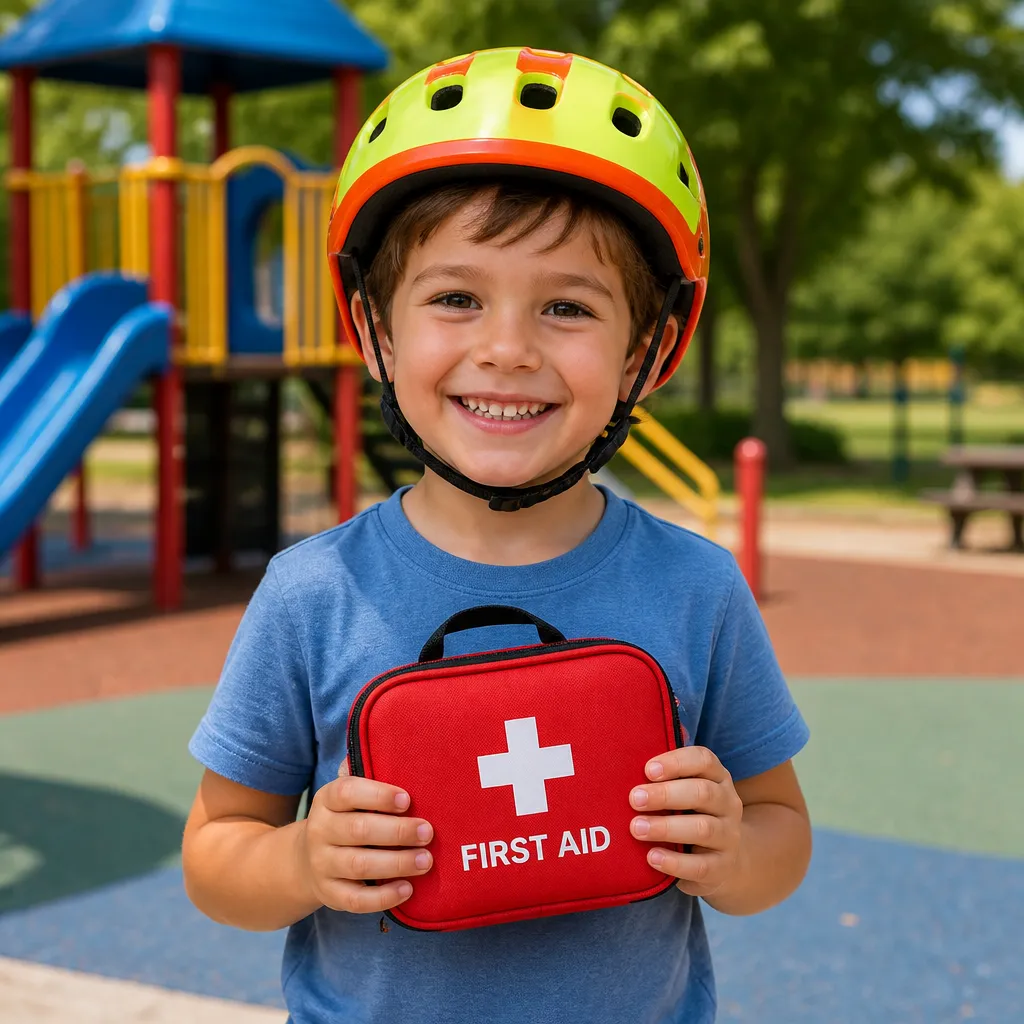
Why it matters:
1) Young lungs are still developing and breathe more air per pound than adults. Even short smoke or pollution exposure can trigger coughing or an asthma attack. See Minnesota's guidance for schools and child care as a starting point: Minnesota Outdoor Air Quality Guidance for Schools and Child Care (MN Dept. of Health).
2) A clear plan reduces stress for staff and families. ChildCareEd has ready tools to help you prepare and act fast: How can Minnesota child care programs prepare for severe weather and poor air quality?.
How can we prepare now, before an air-quality alert?
1. Make a written, easy-to-find plan
- 📋 Write one page that says who checks AQI, who moves children inside, who grabs meds, and the Go-Bag. Use ChildCareEd sample plans: ChildCareEd preparedness guide.
- 🧰 Build a Go-Bag per classroom: attendance sheet, emergency contacts, spare meds (if your policy allows), first aid, water, snacks, and a charged phone bank.
- 🔁 Assign roles and practice them so staff know what to do without guessing.
- 🚨 Emergency preparedness and response: To build staff confidence in responding to air quality alerts, smoke events, and evacuation scenarios, ChildCareEd's Emergency and Disaster Preparedness
 Buy Now $55.00 is a 6-hour online course covering how to prepare for, respond to, and recover from a range of emergency situations in early childhood settings — a direct match for the Go-Bag setup, drill scheduling, role assignments, and post-event documentation steps outlined in this guide. If you would like a step-by-step template and practical checklist to convert these elements into a formal emergency response document for your program, see ChildCareEd's How to Build an Emergency Response Plan for Child Care Centers for guidance.
2. Learn where to check air quality
- Check AirNow and MPCA maps each morning and before afternoon play. ChildCareEd explains AQI numbers simply: Air Quality Index Explanation & Smoke/Fire Maps.
3. Train staff now
- Take short refreshers on asthma care, medication administration, and recognizing symptoms. ChildCareEd courses and MN Dept. of Health resources can help (Asthma & Allergies - ChildCareEd).
- 💊 Asthma, medication, and allergy management: For staff who need to feel confident administering asthma medications and following individual health action plans during air quality alerts, ChildCareEd's Illness, Medication, and Allergies in Child Care Buy Now $32.00 is a 4-hour online course covering medication procedures, allergy recognition, and illness response — directly supporting the asthma care, medication storage, and symptom-monitoring steps described throughout this article.
Practical checklist to finish this week:
- Post one AQI cutoff by the door.
- Make or refresh one Go-Bag.
- Assign an AQI checker for each day.
When should we keep children with asthma indoors during an alert?
Use the Air Quality Index (AQI) as your main decision tool. Many child care programs use simple, posted cutoffs tied to AQI numbers so staff act fast, and families trust the plan.
1. Common AQI rules (easy to post):
- 🟢 AQI 0–50 (Good): Outdoor play as planned.
- 🟡 AQI 51–100 (Moderate): Watch sensitive kids; consider shorter or lower-energy play.
- 🟠 AQI 101–150 (Unhealthy for Sensitive Groups): Move active play indoors; shorten outdoor time.
- 🔴 AQI 151+ (Unhealthy or worse): Keep everyone indoors and reduce vigorous activity.
2. Use Minnesota guidance when you need details
The Minnesota Department of Health provides tailored guidance for schools and child care to help decide when to change outdoor plans: Minnesota Outdoor Air Quality Guidance for Schools and Child Care. For general health effects and what to watch for, see MN Wildfire Smoke page: Wildfire Smoke - MN Dept. of Health.
3. Quick on-the-ground rules
- Check AQI before morning outside time and before afternoon outside time.
- If you smell smoke or visibility is poor, re-check AQI and consider moving inside even at lower AQI numbers.
- Document the AQI and your choice (e.g., "AQI 128 at 9:00 am — indoor play").
Tip: Post a one-line rule like "If AQI ≥ 151, we stay inside" so that staff can follow it quickly. #Minnesota #airquality
How can we make indoor air cleaner (filters, HEPA, HVAC)?
Lowering indoor particle levels protects children with #asthma the most. Use these numbered steps:
- 🔧 Check HVAC and filters
- If you have central HVAC, set it to recirculate when smoke is outside and use the best filter your system accepts (aim for MERV 13 if an HVAC professional approves). The MN Dept. of Health and EPA recommend improved filtration during smoke events: Wildfire Smoke - MN Dept. of Health.
- 😊 Use portable HEPA air cleaners
- Put a portable HEPA unit in rooms where children spend the most time (napping rooms, classrooms). Community programs have used HEPA caches successfully; see an example of HEPA support for daycares: HEPA Air Filtration - Climate Smart Missoula. HEPA cleaners reduce fine particles (PM2.5) from smoke.
- 🛠️ Consider Corsi-Rosenthal boxes
- If budgets are tight, a Corsi-Rosenthal box (box fan + furnace filters) can help as a temporary cleaner. Follow safe instructions and never leave devices unattended.
- ⚠️ Reduce indoor pollution
- Avoid extra indoor pollution sources during smoke events: no frying, candles, incense, or heavy vacuuming without HEPA filtration.
5. Choose a clean-air room
- Pick one room with few doors opening to the outside for infants and any children with asthma. Run a HEPA cleaner there and keep doors closed during alerts.
Note: If power outages occur during heat or smoke, have a backup plan. State guidance suggests community cleaner-air spaces when needed — coordinate with local public health. #HEPA #children
How do we practice, communicate with families, and avoid common mistakes?
Practice and clear communication make responses calm and fast. Use numbered actions and a brief FAQ for families.
1. Practice and drills
- 📆 Schedule short drills twice a year (smoke-day move-ins, evacuation practice, reunification).
- 👥 Assign roles: who checks AQI, who grabs meds/Go-Bag, who notifies families, who watches symptoms.
- 📝 After each drill, note 1–2 improvements and update the plan.
2. Simple family messages (copy-paste)
- 📣 Template: "AQI is ___. We are using our indoor plan and running HEPA filters. Please send asthma meds if needed per your child’s plan." Use ChildCareEd’s communication tips: ChildCareEd preparedness guide.
3. Common mistakes and fixes
- ❌ Mistake: Checking only one distant AQI monitor. ✅ Fix: Use local tools (AirNow and MPCA maps) and check twice daily.
- ❌ Mistake: No one assigned to grab meds/Go-Bag. ✅ Fix: Add names to the written plan and practice.
- ❌ Mistake: No indoor activity plan. ✅ Fix: Create simple movement centers and quiet activities ahead of season.
4. Quick FAQ to share with families
- Q: How will we decide to cancel outdoor time? A: We check the AQI and follow our posted cutoff.
- Q: Should my child wear a mask? A: For young children, moving indoors and using filtration is safer than relying on masks; follow public health updates.
- Q: What if my child needs medicine? A: Keep asthma forms and meds up to date and in a known place per your program policy.
- Q: Who decides to evacuate? A: The program director follows the written plan and local emergency orders.
Takeaway actions you can do this week:
- Post an AQI cutoff by the door.
- Create or refresh a classroom Go-Bag and label who grabs it.
- Pick a clean-air room and place a HEPA unit there if you can.
For more tools and printable forms, start with ChildCareEd resources on AQI and preparedness: Air Quality Index Explanation and Minnesota preparedness guide. State requirements vary - check your state licensing agency.
Conclusion
Protecting little lungs during Minnesota air-quality alerts is practical and doable. Do these five things this week:
- Post one clear AQI cutoff.
- Assign an AQI checker and Go-Bag keeper.
- Pick a clean-air room and run a HEPA cleaner when needed.
- Train staff on roles and asthma plans.
- Send one short family message when plans change.
Small, practiced steps keep children safer and calmer. Use the Minnesota Department of Health advice (MDH Outdoor Air Guidance) and ChildCareEd templates to make it quick and clear. #children #asthma #airquality #Minnesota #HEPA
- Stay Alert! Steps for Emergency Prep
- 45 Hour Child Growth and Development
- Basic Health & Safety and Breastfeeding Awareness
- Pediatric RSV First Aid & CPR/AED
- Family Child Care Health Essentials
- CDA Bridge Bundle: Family Child Care without Portfolio Review
- Texas Director Credential Renewal
- Texas Director Credential
- CDA Certification en Español: Recursos y Consejos para Educadores Bilingües
- Proporciones de Cuidado Infantil y Tamaños de Grupo por Edad en Nueva Jersey (Guía Rápida para Centros y Hogares)
- Proporciones de Cuidado Infantil y Tamaños de Grupo por Edad en Virginia (Guía Rápida para Centros y Hogares)
- Consejos de Supervisión Activa para Salones de Preescolar y el Juego al Aire Libre
- Child Care Weather Guidelines: Using the 2026 Weather Watch Chart
- Air Quality and Child Care in Georgia: Outdoor Play Safety Tips
- Air Quality and Child Care in Nevada: Outdoor Play Safety Tips
- Air Quality and Child Care in Wisconsin: Outdoor Play Safety Tips
- Air Quality and Child Care in North Carolina: Outdoor Play Safety Tips
- How can Minnesota child care programs prepare for severe weather and poor air quality?
- How can Minnesota child care providers prepare for severe weather and poor air quality?
- How can Minnesota child care programs keep kids safe during heat and poor air-quality alerts?
- How can child care programs protect children with asthma during Minnesota air-quality alerts?
- When the Sky Turns Hazy: How Should North Dakota Child Care Providers Protect Kids from Wildfire Smoke?
- Air Quality and Outdoor Play: Guidance for Schools and Child Care Programs
- Weather Alerts and Child Care: How to Protect Children During Unsafe Conditions
- How to Plan Safe Outdoor Activities During Hot Weather and Poor Air Quality
- Daycare Outdoor Weather Safety: Temperature, Heat Index, and Playtime
- Childcare Weather and Air Quality Chart: Keeping Outdoor Play Safe
- What AQI Should Kids Stay Inside? A Child Care Guide to Safe Outdoor Play
