Keeping children healthy is one of the kindest parts of our work. This short guide gives clear steps you can use now to stop germs, help families, and keep your program open. You will find practical routines, cleaning tips, policy ideas, and outbreak steps. For training and tools, see How can childcare programs prevent the spread of illness? and the course Prevention and Control of Infectious Diseases  Buy Now $16.00. Remember: state requirements vary - check your state licensing agency.
Why does preventing illness matter?
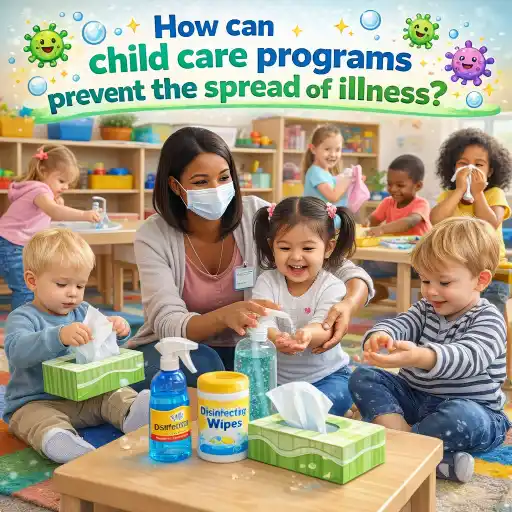
1. Fewer sick days means more learning time and less stress for families and staff.
2. Simple routines keep your program open and build trust with parents.
3. Good plans protect vulnerable children and support staff wellbeing.
See practical ideas in Infection Control Practices for Child Care Settings and federal guidance at the CDC Early Care prevention page. Use short steps so staff can act fast. Use these five key habits every day: #handwashing, #cleaning, #policy, #ventilation, and #children.
What simple daily routines stop germs in my program?
Use short, repeatable routines so staff and families remember them. Number these easy steps and post them where everyone sees them.
- 🧼 Wash hands often.
- When: on arrival, before/after meals, after diapering, after outdoor play, and after sneezes or coughs.
- How: 20 seconds with soap and water. Teach a song. See proper handwashing.
- 😀 Use a short arrival health check.
- Ask: Can the child join activities? Do they need one-on-one care? Could they spread germs?
- If the answer shows illness, kindly ask the family to keep the child home and follow your sick rules.
- 🧽 Clean high-touch areas every day.
- Make a daily checklist for tables, door handles, toys, and bathrooms.
- Keep a separate "mouthed-toy" bin and wash those toys right away. See Sanitizing Toys and Materials.
- 💉 Encourage vaccines.
- Remind staff and families to keep vaccines up to date. Vaccines lower serious illness and program closures. For school-age children and teens, share back-to-school vaccine guidance and tips for keeping immunization records current in our Healthy Tips for Back to School resource.
- 💨 Improve air and space.
- Open windows when safe, run fans, and consider portable HEPA units in health rooms. See CDC ventilation tips at Protecting Against Infections.
Why this matters: short daily habits are easier to keep than big plans. Put the routines on a single page and give families a copy. For training resources and checklists, see Health and Safety Training Resources Buy Now $0.00.
How should we clean, sanitize, and disinfect safely?
Use the right step for the right job: cleaning, sanitizing, or disinfecting. These are different actions and each has a time and place.
- Clean first.
- Cleaning (soap + water) removes dirt and many germs. Do this before sanitizing or disinfecting. See CDC steps at How To Clean and Disinfect.
- Sanitize when items touch mouths.
- 🍼 For bottles, mouthed toys, and eating surfaces: use a proper sanitizer or a weak bleach soak. Follow product labels. Preschool toy guidance at Sanitizing Toys and Materials.
- Disinfect after body-fluid contact.
- 😷 Use EPA-registered disinfectants and follow contact time on the label so the surface stays wet long enough to work.
- Use PPE and safety steps.
- 🧤 Wear gloves for body fluids, train staff on safe glove removal, and keep chemicals locked and labeled.
- Never mix bleach with ammonia or other chemicals — dangerous fumes can form. See the antimicrobials fact sheet at NPIC Antimicrobials.
Simple bleach recipe (CDC): mix 1 tablespoon unscented bleach per gallon of water for sanitizing small items; follow up with labeled guidance for disinfecting and contact times at CDC. Always store cleaning supplies out of reach and make fresh bleach mixes daily. For greener options, see EPA green cleaning resources at EPA Green Cleaning.
When should children and staff stay home and what should an illness policy include?
A short, kind illness policy helps staff and families make quick, fair decisions at drop-off. Keep the family handout to 1 page and the staff policy a little longer.
- What to include:
- 📝 One-paragraph summary of your sick rules.
- 🌡️ Symptoms that require staying home (fever, vomiting, diarrhea, uncontrolled cough, new rash, eye drainage).
- 🔁 Clear return rules: e.g., fever-free for 24 hours without medicine; no vomiting for 24 hours; diarrhea improved. See What should an illness policy include?.
- 💊 Medication steps and documentation requirements.
- How to use it daily:
- 1. Practice arrival checks and staff scripts for calm conversations.
- 2. Keep records: date, symptoms, actions, parent notified. These help for licensing and public health.
- 3. Train staff on policy and health checks during orientation and refresh yearly.
- Why include paid sick leave if possible:
- 🙂 Staff who can stay home when sick are less likely to bring germs to work. This is also kinder and reduces spread.
Remember: state requirements vary - check your state licensing agency. Use ChildCareEd templates like the Illness Exclusion Quick Reference Chart and courses for staff refreshers at Health and Safety Training Resources Buy Now $0.00. A clear #policy protects #children and staff, and keeps families trusting your program.
How do we respond to outbreaks and keep families informed?
Act quickly and work with public health. A calm plan keeps families trusting you and helps control spread.
- Notify public health early.
- 📞 Local health departments help decide if this is an outbreak and give next steps. See ChildCareEd outbreak planning at ChildCareEd outbreak guidance and sample communication ideas in Communicating with Parents During an Outbreak.
- Increase cleaning and isolate the sick.
- 🧯 Use a supervised isolation area and PPE for staff who care for the sick. Increase cleaning of high-touch surfaces and wash mouthed toys immediately. Follow CDC cleaning steps at CDC.
- Share one clear message with families.
- 📣 Tell families: what happened, what you did, and what to watch for. Use short templates and have public health review major letters. See sample letters at the MN Dept. of Health.
- Learn and avoid common mistakes:
- ❌ Mistake: disinfecting before cleaning — Fix: always clean first.
- ❌ Mistake: mixing chemicals — Fix: read labels, never mix bleach and ammonia.
- ❌ Mistake: asking for doctor notes for every cold — Fix: use clear return rules so families know when a note is needed.
If norovirus is suspected, follow stronger cleaning steps and 48-hour exclusion after symptoms end; see specific norovirus guidance at the NC DPH norovirus page. Keep calm, act fast, and use short checklists so staff can follow the steps without extra stress.
Summary
Quick leader checklist:
- Post a one-page family handout with your sick rules and give it at enrollment.
- Teach and schedule daily #handwashing and respiratory etiquette.
- Clean first, then sanitize or disinfect when needed. Follow CDC directions for bleach mixes and contact times.
- Keep a supervised isolation area and PPE ready; improve #ventilation where possible.
- Notify your local health department early and keep clear records.
For templates, courses, and more tips, see ChildCareEd resources like What should an illness policy include?, Infection Control Practices, and CDC guidance linked above. Thank you for the care you give every day. Small, steady steps keep children safe and programs running. state requirements vary - check your state licensing agency.
FAQ (short)
- Q: Do we need a doctor note for every cold? A: No. Use your return rules. See ChildCareEd illness policy guidance.
- Q: Can hand sanitizer replace handwashing? A: No — handwashing is best. Use sanitizer (60%+ alcohol) if soap and water are not available.
- Q: When should we call public health? A: Two or more similar cases in one room, a reportable disease, or if public health asks to be notified.
- Q: How long keep illness records? A: Follow your state licensing rule; many keep records 3–5 years.
- 45 Hour Child Growth and Development
- How To Keep A Healthy Class for Infants/Toddlers
- How To Keep A Healthy Class: Six Tips for Germ Control
- Birth to Five CDA Credential with Portfolio Review
- CDA Family Child Care Credential with Portfolio Review
- How To Keep A Healthy Class: Six Tips for Germ Control
- CDA Bridge Bundle: Family Child Care without Portfolio Review
- Texas Director Credential
- Everyday Safety: Creating Healthy Environments
- Ah-Choo!
- CDA Certification en Español: Recursos y Consejos para Educadores Bilingües
- What Parents and Educators Need to Know About Child Safety
- Recursos en Español sobre el Sueño Seguro del Bebé
- How can childcare programs prevent the spread of illness?
- How can childcare programs protect young children in North Dakota from West Nile, ticks, and extreme heat?
- How can child care programs prevent the spread of illness?
- How can Michigan child care providers protect children now that measles is back in 2026?
- How can North Dakota child care providers protect children now that measles is back in 2026?
- How Can New York Child Care Providers Protect Children Now That Measles Is Back in 2026?
- How can child care programs keep kids safe on the Fourth of July in North Dakota?
- How can child care programs prevent infections and keep kids healthy?
- How should Michigan child care providers watch for measles this summer?
- How should New York child care providers respond to a measles exposure?
- How can North Dakota providers prevent and manage common illnesses?
- How can I create a safe childcare environment for every age group?
- How can childcare settings prevent the spread of illness?
- How Can Daycare Programs Prevent the Spread of Common Illnesses?
- How Can Classrooms Prevent the Spread of Illness During Cold and Flu Season?
- How Can Child Care Providers Prevent the Spread of Illness in the Classroom?
