Summer holidays bring fun and extra work for child care teams. This short guide helps directors and providers keep children safe from fireworks, big crowds, and hot weather in #NorthDakota. Use simple routines, clear roles, and family notes so the day stays calm and joyful for #children. For quick celebration ideas, see How to Celebrate the Fourth of July in Your Center or Daycare and craft plans at Fourth of July Craft Ideas for Preschool and Child Care. Remember: state requirements vary - check your state licensing agency.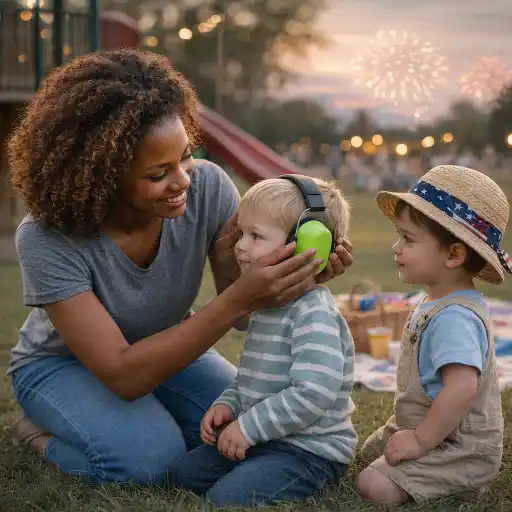
Why does this matter and what should we watch for?
- Children rely on adults to prevent injury and heat illness. Small bodies heat faster and can be hurt by fireworks or crowds. #safety
- Prevention is simple: plan, assign roles, and tell families what to expect. A short plan stops surprises and keeps kids calm.
- Common local risks in North Dakota: fireworks bans or dry-fire warnings, mosquito and tick bites that spread disease, and high daytime heat. See summer hazard tips at Protect young children in North Dakota.
Quick checklist (copy on your staff board):
- Assign zone leads and a water watcher.
- Plan no real fireworks at the center — use videos or glow sticks instead (Red Cross fireworks safety).
- Post a simple heat rule (e.g., move inside if heat index > safe threshold). #heat
How can we prevent fireworks injuries and follow local rules?
- 📣 Make a no-fireworks policy for your site and put it in family notes. Link to your local rules — some North Dakota counties ban fireworks in dry weather (local news on bans).
- 🔥 If families ask about sparklers or poppers, say no. Sparklers burn very hot and often cause burns (medical advice on burns).
- 🎆 Offer safe options: a short fireworks video (preview for loud sound), glow sticks, ribbon wands, or a quiet “parade” in the yard. See class celebration tips at the ChildCareEd celebration guide.
- 📋 If you plan an off-site family outing to a public fireworks show, do this: 1) get written parent permission, 2) set strict adult: child ratios, and 3) plan meeting spots and a head-count routine.
- 🚑 Prepare first aid and have contacts ready. Train staff on burn first aid and when to call 911 — Red Cross first-aid resources are helpful (Red Cross Summer Safety).
- 🛡️ Injury prevention and outdoor safety: To help staff build the consistent daily habits that protect children during holiday celebrations and outdoor events, ChildCareEd's Injury Prevention: Their Safety Is In Your Hands
 Buy Now $24.00 is a 3-hour online course covering how to identify hazards, set up safer environments, and build prevention routines — a direct match for the no-fireworks policy, zone lead assignments, morning outdoor checklist, and burn first aid steps outlined in this guide. For a quick course overview and printable staff checklist to adapt these steps for your program, see Their Safety Is In Your Hands.
Why this works: professional displays are safer for families; at your program, simple pretend activities keep the learning and fun without the risk. State requirements vary - check your state licensing agency.
How do we handle crowds, visitors, and safety during a short holiday celebration?
- 📋 Limit the celebration to 2–3 short stations (10–20 minutes each). Fewer stations reduce crowding — see station ideas at ChildCareEd.
- 🧑🤝🧑 Staff roles: number each adult and post who watches which area. Example roles:
- Zone lead headcounts every 5 minutes)
- Snack/food monitor (if allowed by licensing)
- Float staff for breaks and calm space
- 🔒 Visitor rules: 1) pre-approve guests, 2) require ID at sign-in, 3) limit visitor time and where they can go. Keep outside doors supervised.
- 🙂 Quiet options: have a cool, dim area with sensory toys for children who need a break. Give staff a script to explain the quiet zone to families.
- 📣 Communication: send a short family note with the schedule, pick-up rules, and any food or permission forms. Use clear language and one-page notes.
Common mistake to avoid: letting celebrations grow too long or too loud. Fix: use a timer and pre-set end times. For activity ideas that stay low-stress, see ChildCareEd craft ideas.
How should we protect children from heat, mosquitoes, and ticks on holiday days?
North Dakota summer risks include high heat, mosquitoes that can spread West Nile, and ticks. Use numbered routines to protect health.
- 🥤 Hydration plan (numbered):
- Offer water upon arrival.
- Offer water before going outside.
- Offer water every 15 minutes while outside on hot days.
- Offer water after active play and before naps.
- 🌤️ Shade & scheduling:
- Move active play to morning or late afternoon when possible.
- Use trees, canopies, or indoor shade blocks. If the power or heat index makes the room unsafe, move inside or to a cooling location.
- 🦟 Mosquito & tick actions:
- 🧹 Remove standing water daily; check gutters, buckets, and wading pools (ChildCareEd ND guide).
- 🧴 With written parent permission, use EPA-registered repellents per label instructions and apply to staff hands first, then to child skin; avoid hands/eyes/mouth.
- 🩺 Illness, medication, and allergy management: For staff who need to feel confident managing heat illness symptoms, repellent permissions, and first aid documentation on busy holiday days, ChildCareEd's Illness, Medication, and Allergies in Child Care Buy Now $32.00 is a 4-hour online course covering medication procedures, allergy response, and illness recognition — directly supporting the written repellent permission, heat illness response, and 911 decision steps described throughout this article.
- 🔎 Do daily tick checks after outdoor play and know how to remove ticks (fine-tipped tweezers, pull straight up). See CDC tick and heat pages for details.
- 📋 Add these checks to your opening checklist and staff huddle so nothing is missed. For staff training tools, see ChildCareEd summer safety resources (ChildCareEd).
Watch for heat illness: heavy sweating, weakness, dizziness (cool, rest, give water). For heat stroke signs (confusion, very high temperature, fainting), call 911 immediately. #fireworks #heat
How do we plan, train staff, and talk with families so everyone knows the rules?
Clear rules and short training make holidays smoother. Use numbered steps and short scripts so staff know what to do in the moment.
- 📋 Write one-page family guidance: what you will do, what families should send (labeled water bottle, hat, light clothes), and the pick-up plan. Post it at drop-off.
- 👩🏫 Staff huddle checklist:
- Review roles and who watches which zone.
- Confirm first aid and cooling supplies are ready.
- Share scripts for communicating with families and handling upset children.
- 📝 Document permissions: fireworks off-site approval, repellent use, food or picnic permissions, and emergency contacts. Do not apply repellents without written permission.
- 🚫 Common mistakes (and fixes):
- ❌ Too many activities → ✅ Limit to 2–3 stations with timers.
- ❌ No written visitor rules → ✅ Require sign-in and limits on where guests go.
- ❌ Skipping weather checks → ✅ Make a morning heat & mosquito check part of opening routine.
- 📚 Train staff: short refreshers on burn first aid, tick removal, and heat illness. ChildCareEd courses and Red Cross first-aid resources are useful starting points (ChildCareEd trainings Buy Now $0.00, Red Cross).
Frequently asked questions (quick)
- Q: Can we show fireworks videos in class? A: Yes — preview for loud noises and offer a quiet option for children who prefer to opt out.
- Q: Can families bring food? A: Only if your policy and state licensing allow it — get permissions and check allergies. State requirements vary - check your state licensing agency.
- Q: What if a child gets burned? A: Cool minor burns with water for 10–15 minutes, and seek medical care for anything more than a small, shallow burn. See medical guidance (KU Med).
- Q: When to call 911 for heat illness? A: Call 911 for confusion, passing out, seizures, or very high body temperature.
Conclusion
Celebrate small and safe. Use 1) a no-real-fireworks policy at your site, 2) short, staffed stations, 3) hydration and shade routines, and 4) clear family communication. Keep these five words in mind across your plan: #fireworks, #heat, #safety, #NorthDakota, #children. Use ChildCareEd resources and local health guidance to build your checklist, and remember state requirements vary - check your state licensing agency. Thank you for planning with care — small steps keep celebrations joyful and safe.
Big events bring noise and extra people. Keep your plan small and clear so children stay safe and calm. Why it matters:Fireworks cause many injuries on July 4. At a child care program, the safest choice is not to use real fireworks on site. Instead, plan pretend or supervised alternatives. Use these steps:
- Professional Presence in Early Childhood
- How To Keep A Healthy Class for Infants/Toddlers
- 1,2,3, Eyes on Me: Classroom Safety
- Bienvenido! Welcoming All Families
- Play Safe, Think Big: Literacy Through Play
- 45 Hour Infant and Toddler Methods and Materials
- 45 Hour School Age Methods and Materials
- Texas Director Credential
- 4th of July Fun Facts
- CDA Certification en Español: Recursos y Consejos para Educadores Bilingües
- Recursos en Español sobre el Sueño Seguro del Bebé
- Normas de Licenciamiento de Cuidado Infantil en Virginia para Centros Diurnos Infantiles y Hogares Diurnos Familiares
- Proporciones de Cuidado Infantil y Tamaños de Grupo por Edad en Virginia (Guía Rápida para Centros y Hogares)
- Lista para Abrir una Guardería en Casa en Dakota del Norte: Cómo Empezar
- Cómo Ser Maestra de Preescolar en Dakota del Norte
- Capacitación Previa al Servicio para Proveedores de Cuidado Infantil en Dakota del Norte
- Capacitación Previa al Servicio para Proveedores de Cuidado Infantil en Nevada
- Las Mejores Ideas de Excursiones para Guarderías en Dakota del Norte
- Fourth of July Craft Ideas for Preschool and Child Care
- How can North Dakota programs climb the Bright & Early ND steps before the July 2026 update?
- Canciones, juegos y preguntas de círculo para niños
- How can SUN Meals and CACFP keep North Dakota children fed all summer?
- How can Minnesota child care providers keep young children safe around Fourth of July fireworks?
- How can child care programs keep kids safe on the Fourth of July in North Dakota?
- How can my New York program help sensory-sensitive children cope with fireworks noise?
- How can I prepare my North Dakota program for the July 13 CCDF rule changes?
- What are age-appropriate Fourth of July activities for daycares?
- How Can a Fourth of July Activity Pack Blend Literacy and Math?
