 Introduction
Outdoor time helps children move, learn, and feel happy. But weather can change fast. Child care leaders and #staff need clear routines to keep #children safe when it is hot, cold, windy, smoky, or stormy. Use simple steps so staff make quick, calm choices.
Why it matters:
1) Weather can cause real health problems like heatstroke, hypothermia, or breathing trouble from smoke. 2) Good planning keeps play going more often and prevents emergencies. For quick help, look at the ChildCareEd guide on weather and outdoor play here.
Remember: state requirements vary - check your state licensing agency.
How do we decide when it is safe to go outside?
Deciding to go outside should be fast and predictable. A posted weather chart helps staff know what to do. Use the printable ChildCareEd weather chart by the door so everyone follows the same rules Childcare Weather Chart Buy Now $0.00.
Steps to decide:
- Check local temperature, heat index, wind, and current radar. Use an app or website staff trust.
- Check air quality (AQI). If smoke or poor air is present, move indoors. See the ChildCareEd AQI guide Air Quality Index Explanation and CDC advice on outdoor safety.
- Follow your center’s color zone or chart: green = go, yellow = shorten or modify, red = stay inside.
- Ask quick safety questions before stepping out: Are children dressed right? Is the playground slippery or icy? Is shade available? Do we have extra clothes?
🔎 Tip: Post the chart where staff gather and review it before every outdoor time. This helps even new staff make safe calls fast.
What steps keep children safe in very hot and very cold weather?
Hot and cold need clear, simple actions. Use routines so staff always know what to do.
For hot weather:
- 💧 Offer water before, during, and after play. Keep water easy to reach.
- 🕒 Move outdoor time to morning or late afternoon; shorten play when the heat index is high. See ChildCareEd tips on preparing for extreme heat Preparing for Extreme Heat.
- 🌳 Use shade, light clothing, and regular rest breaks.
- ⚠️ Watch for dizziness, red skin, or vomiting—these are signs of heat illness.
For cold weather:
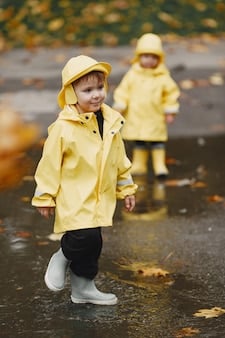
- 🧤 Dress children in layers, with hats and waterproof outerwear. Check hands, feet, ears, and nose often.
- 🔥 Bring children inside for warm-up breaks and change any wet clothes fast.
- ⛔ Skip outdoor play on icy equipment or when wind chill is extreme. See ChildCareEd cold weather guidance Winter Weather and Indoor Air Quality Tips.
Why these steps work: simple routines cut risk. Train staff on a short heat and cold plan so everyone acts the same way.
How should programs respond to poor air quality, storms, and other weather emergencies?
Some weather events need quick action: smoke from wildfires, lightning, heavy storms, blizzards, or volcanic ash. Use these checks and actions to keep children safe.
Before outdoor time check:
- Check AQI: 0–50 good, 51–100 moderate, 101+ caution or avoid outdoor play. ChildCareEd explains AQI and maps here.
- Watch for lightning or severe thunderstorm warnings — if lightning is possible, stay indoors until clear.
- Use local alerts and the CDC HeatRisk and air tools when needed CDC outdoor safety.
If air is smoky or AQI is unhealthy:
- 🏠 Keep children inside and close windows/vents. Use filters and recirculate indoor air if possible (EPA wildfire & ash guidance).
- 💨 Reduce active play to low effort so children breathe less air in.
- 📞 Follow your health policy for children with asthma—contact parents/healthcare providers if needed.
If a weather-related incident happens (injury, heat illness, or breathing trouble):
- Move the child to a safe spot and give first aid.
- Call 911 if needed and contact the family.
- Document and review the event so you improve plans.
For big storms or blizzards, use the Red Cross winter storm advice for preparedness Winter Storm Preparedness.
What daily routines and supervision practices prevent mistakes?
Good routines make safety easy. Here are top practices and common mistakes to avoid.
Daily routines:
📋 Post a weather decision chart at exits. Review it before every outdoor time.
👀 Use active supervision zones—assign staff to areas so every child is watched.
✅ Do headcounts before and after outdoor transitions.
🧰 Keep a weather kit: spare clothes, sunscreen, hats, water, and a phone for alerts.
📚 Train staff often on weather rules and run short drills.
Common mistakes and how to avoid them:
- Leaving weather checks out of routine. Fix: make checking the chart part of every transition.
- Not planning for shade or water on hot days. Fix: mark shaded areas and schedule frequent water breaks.
- Keeping kids in wet or cold clothes too long. Fix: have dry extras ready.
- Waiting too long to move inside during smoke or storms. Fix: assign one staff person to monitor alerts and make the call.
Want more activities for bad-weather days? ChildCareEd offers an online course for inclement weather activities Engaging Indoor Activities for Inclement Weather  Buy Now $24.00.
Conclusion
Keeping children safe in changing weather is possible with simple steps, clear charts, and strong supervision. Use posted rules, quick checks, and practice so staff all act the same way. Keep parents informed and update your plans when new risks appear.
Quick checklist leaders can use now:
- Post and use a weather chart (ChildCareEd chart Buy Now $0.00).
- Train staff on heat, cold, air quality, and storm steps (Weather Safety Guide).
- Gather a weather kit and extra clothing.
- Plan indoor activities for bad-weather days (Weather Appropriate Activities Buy Now $0.00).
FAQ:
- Q: When is it too hot to play outside? A: Use your heat index chart; shorten or move play if the index is high and children look tired.
- Q: Can kids play outside in cold weather? A: Yes, with layers and warm-up breaks; stay inside for extreme wind chill or ice.
- Q: Who decides? A: The director sets policy, but staff follow the posted weather chart and daily checks.
- Q: Where to learn more? A: ChildCareEd weather resources and CDC pages linked above.
Keep this: good decisions come from simple routines. When staff know the plan, outdoor play stays safe and fun. #safety #weather #outdoors #children #staff
- Appropriate Precautions in Transportation of Children
- How To Keep A Healthy Class for Infants/Toddlers
- Success in Safety for Babies
- 1,2,3, Eyes on Me: Classroom Safety
- Engaging Indoor Activities for Inclement Weather
- Open Ears: Listening in Child Care
- Texas Director Credential
- CDA Subject Area 1
- Preventative Health and Safety
- Family Child Care: Building, Premises, and Outdoor Safety
- CDA Certification en Español: Recursos y Consejos para Educadores Bilingües
- Recursos en Español sobre el Sueño Seguro del Bebé
- How Can Child Care Programs Keep Children Safe in Different Weather?
- How can Washington early childhood educators support outdoor play, safety, and learning in daycare?
- Safe Temperature Regulations in Daycare: California Rules for Child Care Providers
- What indoor activities help New York child care programs stay safe and happy during a heat wave?
- How can child care programs prevent heat-related illness during outdoor play?
- Should Early Childhood Programs Give Children More Outdoor Time?
- How can child care programs prevent seasonal safety hazards like heat, cold, allergies, holiday risks, and outdoor play dangers?
- Which Active Supervision Strategy Should You Use During Transitions, Meals, Naps, and Outdoor Play?
- How Can Child Care Programs Balance Indoor and Outdoor Learning Across the Week?
- How Can Child Care Providers Help Children Explore Weather Indoors and Outdoors?
- How Can Child Care Providers Keep Indoor Play Manageable When Rain Lasts All Week?
- What Can Children Investigate in a Garden Bed That Has Not Been Planted?
- Why Does the Wind Feel Different on Opposite Sides of the Playground?
- How Can Educators Help Children Return to Care After a Weather Emergency?
- How Can Holiday-Neutral Movement Activities Create a More Inclusive Classroom?
- How Can Teachers Turn Daily Weather Observations into a Preschool Investigation?
- How Can Daily Weather Observations Become a Preschool Investigation?
