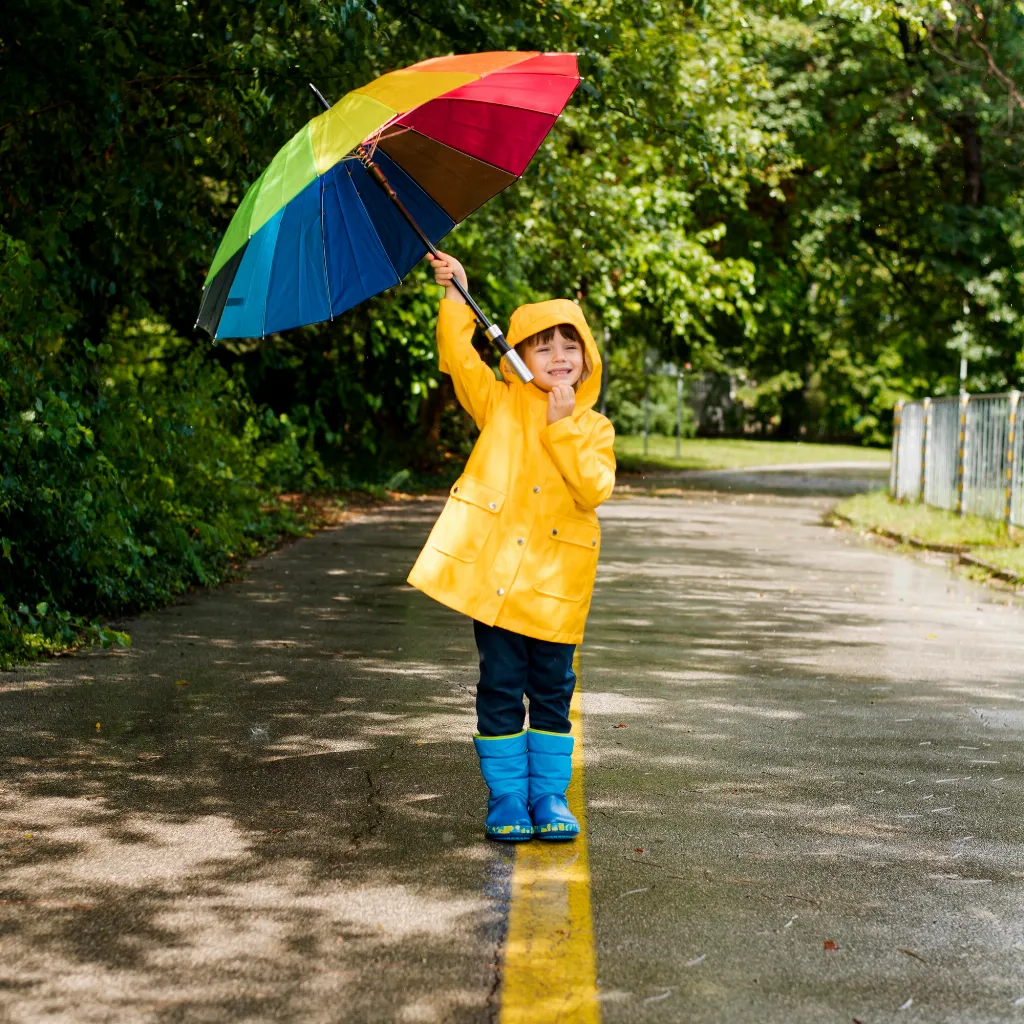
 Outdoor play is an important part of child care. It helps children move, explore, learn, and feel their best. But when the weather changes fast, programs need more than good intentions. They need clear safety routines. This guide gives child care leaders simple, practical steps to help staff make smart decisions about outdoor play in heat, cold, storms, and poor air quality.
Why is weather safety important for outdoor play?
Outdoor play is good for children, but weather risks are real.
Hot weather can lead to:
- dehydration
- heat exhaustion
- heatstroke
Cold weather can lead to:
- frostnip
- frostbite
- hypothermia
Rain, storms, wind, and bad air quality can also create safety problems.
The good news is that simple routines can help programs make better choices and keep outdoor time safe more often.
A helpful ChildCareEd article on outdoor safety is: Playground Safety Checklist Buy Now $0.00
How do we protect children on very hot days?
Hot weather can make children sick quickly, especially if they are running, climbing, and playing hard.
Use these simple steps:
- offer water before, during, and after outdoor play
- keep water easy to reach
- plan more breaks on hotter days
- use shady areas whenever possible
- move playtime to the morning or later afternoon
- shorten outside time when heat is high
- dress children in light, cool clothing
- watch for red skin, tiredness, dizziness, or nausea
It also helps to have a simple heat plan that staff can follow every day.
A strong ChildCareEd resource for this topic is: Summer Safety Tips Buy Now $0.00
This resource supports hot-weather planning, summer routines, and child safety during warm outdoor play.
Another helpful ChildCareEd resource is: Playing in Weather from Rain to Rainbows Buy Now $0.00
This resource helps staff think about outdoor play in many kinds of weather, not just sunny days.
What should staff do every day in hot weather?
Use a quick routine before going outside:
- check the heat or local weather
- fill water bottles or set out cups
- choose a shaded play area
- set a shorter outdoor time if needed
- remind staff when water breaks will happen
- watch children closely for signs of heat problems
Small steps like these can prevent bigger problems later.
How do we keep children safe in cold weather?
Cold weather outdoor play can still be healthy and fun, but children need the right clothing and close supervision.
Here are smart cold-weather steps:
- dress children in layers
- check that hands, feet, ears, and noses stay warm
- bring children inside for warm-up breaks
- change wet clothes quickly
- keep extra socks, mittens, and hats nearby
- avoid icy or slippery equipment
- skip outdoor time if conditions are too harsh
Cold-weather planning should be simple and clear so staff can make fast decisions.
A very helpful ChildCareEd resource for this topic is: Cold Weather Safety Buy Now $0.00
This resource supports winter safety planning and helps programs think through cold-weather risks before children go outside.
What should staff check before outdoor winter play?
Before children go outside, staff should ask:
- Are children dressed warmly enough?
- Is any playground equipment icy or too cold to touch?
- Do we have extra dry clothes if needed?
- How long will children stay outside?
- When will we stop for a warm-up break?
These quick questions help staff prevent problems before they start.
When should children stay inside instead of playing outside?
Sometimes the safest choice is to stay indoors.
Children should stay inside when there is:
- extreme heat
- extreme cold
- lightning
- heavy rain
- severe wind
- poor air quality
- icy playground surfaces
- unsafe equipment conditions
Programs should not guess in the moment. It helps to have a simple weather chart or center policy that tells staff what to do.
A good routine is to check weather conditions before every outdoor time, not only once each day.
How can a weather chart help staff make faster decisions?
A posted weather chart makes outdoor decisions easier.
It helps staff know when to:
- go outside as planned
- shorten outdoor time
- move play indoors
This works well because staff do not have to stop and wonder what to do each time the weather changes.
A good center habit is to post the chart by the exit door and review it before every outdoor transition.
Check out this printable resource: https://www.childcareed.com/r-00262-childcare-weather-chart-all-ages-admin-health-safety.html Buy Now $0.00
How should staff supervise outdoor play during changing weather?
Good supervision matters in every season.
Staff can make outdoor play safer by:
- dividing the playground into supervision zones
- doing headcounts before and after transitions
- watching high-risk areas closely
- checking children often for comfort and safety
- moving inside quickly if weather changes
Supervision is especially important on hot days, cold days, and stormy days because children may not always notice when they are getting too hot, too cold, or too tired.
What should programs do if a weather-related incident happens?
If a child gets too hot, too cold, or hurt during outdoor play, staff should follow simple steps:
- move the child to a safe place
- give first aid right away
- call 911 if needed
- contact the family
- document what happened
- review the situation later with staff
It also helps to tag any unsafe area or equipment and keep children away from it until it is fixed.
Clear incident steps help staff stay calm and act faster.
What mistakes do child care programs make with outdoor weather safety?
Here are a few common mistakes:
Skipping the daily weather check
Fix this by making weather review part of the morning routine.
Not planning for shade or water on hot days
Fix this by choosing water break times before going outside.
Letting children stay in wet or cold clothes too long
Fix this by keeping spare dry items ready.
Waiting too long to come inside during storms or bad air quality
Fix this by assigning one staff person to check conditions before outdoor play.
Not training staff on outdoor weather rules
Fix this by reviewing the plan often and practicing simple routines.
These mistakes are common, but they are easy to improve with a clear system.
What ChildCareEd courses can help staff with outdoor weather safety?
Here are 3 ChildCareEd training courses that fit this topic well:
1. A Watchful Eye: Supervision in Early Childhood
This course supports active supervision, which is very important during outdoor play and changing weather.
https://www.childcareed.com/courses-a-watchful-eye-supervision-in-early-childhood.html
2. 1,2,3, Eyes on Me: Classroom Safety
This course helps staff build stronger safety habits and awareness, which supports safer indoor and outdoor care.
https://www.childcareed.com/courses-123-eyes-on-me-classroom-safety.html
3. Health and Safety Orientation Training
This course supports basic health and safety practices that help staff respond well to weather, outdoor risks, and child emergencies.
https://www.childcareed.com/courses-health-and-safety-orientation-training.html
Quick FAQ
When is it too hot to play outside?
It depends on the heat, shade, and how children are feeling. Many programs shorten or move outdoor play when heat becomes too high.
Can children still play outside in cold weather?
Yes, many can, if they are dressed properly and watched closely. But children should stay inside when conditions are too cold or unsafe.
Who should decide if outdoor play is canceled?
The director should set the policy, but staff should follow the posted weather routine and daily safety checks.
What is the easiest way to improve outdoor safety?
Use a weather check, a supervision plan, water breaks, warm-up breaks, and clear staff routines.
What should child care leaders do next?
Here are simple next steps:
- post a weather decision chart by the exit
- train staff on hot-weather and cold-weather routines
- keep extra clothing and supplies ready
- plan water breaks and shade areas
- review incident steps with staff
- use ChildCareEd weather resources during training meetings
Small routines can make a big difference. When staff know what to do, outdoor play becomes safer, calmer, and more enjoyable for everyone.
- Creating the Natural Outdoor Classroom
- 1,2,3, Eyes on Me: Classroom Safety
- Administering Basic Health and Safety Overview
- Engaging Indoor Activities for Inclement Weather
- Healthy Starts: Safety, Nutrition, and Wellness in Child Care
- The Best Promotion is Play
- Texas Director Credential
- Safeguarding Young Lives: A Comprehensive Guide to Child Care Safety
- Family Child Care: Building, Premises, and Outdoor Safety
- Mindful Supervision: Balancing Safety & Independence in Montessori
- Winter Weather and Indoor Air Quality Tips
- ❄️ What Outdoor Activities Work Well for Illinois Kids in Every Season? 🌷🍂
- Illinois Weather & Outdoor Time at Daycare
- California Weather & Outdoor Time at Daycare
- Tornadoes, Snow Days, and Heat: Illinois Emergency Prep for Child Care
- Weather Safety in Child Care: Cold Weather, Summer Heat, and Outdoor Play
- Child Care Weather Watch Guidelines for Outdoor Play
- Consejos de Supervisión Activa para Salones de Preescolar y el Juego al Aire Libre
- How can we run safe water play and heat-safe summer activities for preschoolers in Texas?
- Safe Temperature Regulations in Daycare: Wisconsin Rules for Child Care Providers
- Safe Temperature Regulations in Daycare: North Carolina Rules for Child Care Providers
- Safe Temperature Regulations in Daycare: Illinois Rules for Child Care Providers
- How to Use a Child Care Weather Chart for Safe Outdoor Play
- How can New York child care programs keep young children cool and hydrated during a heat wave?
- What are Michigan's rules and best practices for safe daycare temperatures?
- Daycare Temperature Regulations in Alaska: How Cold Is Too Cold?
- How can child care programs prevent seasonal safety hazards like heat, cold, allergies, holiday risks, and outdoor play dangers?
- Cómo Planificar Actividades al Aire Libre Seguras Durante el Calor y la Mala Calidad del Aire
- Daycare Outdoor Weather Safety: Temperature, Heat Index, and Playtime
- How Can Child Care Providers Teach Children to Choose Clothing for Weather and Activities?
