Caterpillars & Butterflies
These seasonal life-cycle visitors offer rich, developmentally appropriate opportunities to teach science inquiry, emergent literacy, and open-ended art. In early childhood settings, pair observation-based STEM moments with process art and music to strengthen fine motor, language, and socio-emotional skills. Two ChildCareEd courses that support planning and reflection for these activities are Enhancing STEM Education for Infants and Toddlers  Buy Now $16.00 (strategies for inquiry and exploration) and Art from the Heart for Preschoolers Buy Now $35.00 (open-ended art that builds self-esteem). Use those trainings to shape measurable learning goals, scaffold questioning, and adapt activities for different ages and abilities.
How can I create learning goals using caterpillars and butterflies?
Start by naming the competencies you want to support—observation and inquiry (science), vocabulary development (language), fine-motor control (art), and social interaction (collaboration). Phrase goals so they are observable: for example, "Children will describe and sequence the stages of a butterfly's life cycle" or "Children will use scissors and collage materials to create an original chrysalis texture study." Use formative observation during the project to document growth toward those goals and to plan next steps.
What are safe, developmentally appropriate STEM activities with live caterpillars?
Observe and record: set up a daily observation chart where children note changes (size, color, behavior) and draw or dictate what they see. Create simple measurement activities using nonstandard units (paperclips, blocks) to compare caterpillar length over time. Offer prediction prompts—"What will happen next? Why?"—to encourage causal reasoning. Pair these activities with the ChildCareEd course Enhancing STEM Education for Infants and Toddlers Buy Now $16.00 for scaffolding strategies appropriate for very young children.
How can I integrate process art, music, and literacy with a butterfly theme?
Use process art to focus on exploration rather than product. Provide a variety of papers, paints, textures, and collage materials so children experiment with symmetry, pattern, and texture as they create wings and cocoons. Incorporate music and movement: sing songs about metamorphosis, move like caterpillars and butterflies, and invite children to improvise sounds and rhythms. Read storybooks about life cycles and ask open-ended questions that connect the books to observations. For curriculum design and ideas that emphasize self-expression, see Art from the Heart for Preschoolers Buy Now $35.00 and the ChildCareEd course Mind's Medicine: Music in Early Childhood Buy Now $16.00.
How do I adapt activities for different ages and abilities?
Differentiate by materials, prompts, and adult support. For infants and toddlers, focus on sensory explorations of safe, non-toxic materials and short observation windows. For preschoolers, add documentation tools (photo journals, labeled drawings) and extend activities into literacy and math. For mixed-ability groups, offer choices: a sensory table, a drawing station, and a storytelling corner. Use scaffolding questions and peer-pairing to support language and social skills. Professional development courses listed above can help you design appropriate prompts and adaptations.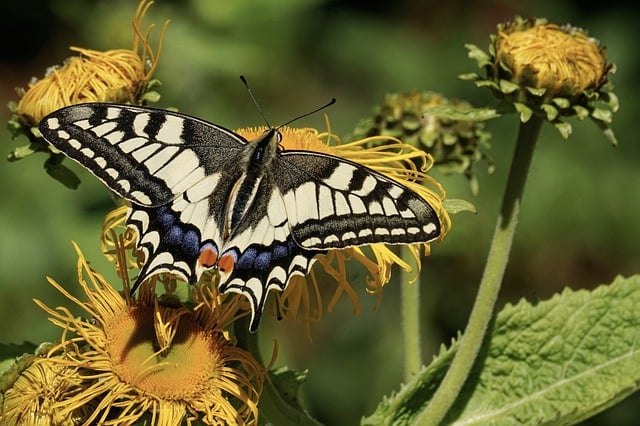
What do New York child care regulations say about keeping live animals in classrooms?
Programs operating in New York should confirm that live-animal activities comply with state licensing and health requirements. Contact the New York State child care licensing authority (for example, the Office of Children and Family Services) or your local licensing specialist to verify whether maintaining live caterpillars or other classroom animals is permitted under your program's license type. Ask whether written policies are required on animal care, family consent, and infectious disease prevention, and confirm any documentation you must keep for inspections.
In practice, prepare a brief program policy that states the educational purpose of the activity, lists the species you will use, describes habitat care and sanitation procedures, and documents how you will obtain and store family permissions and health notices. Keep records of daily habitat checks and any veterinary or extension-service consultations. If your program is part of a larger agency (school district, community center, faith-based organization), coordinate with the agency's risk or health officer before introducing live animals.
Editor note: This section must cite the New York State Office of Children and Family Services (OCFS) child care licensing guidance specific to live animals and at least one supporting public-health or university source (for example, state/local health-department guidance or a university extension page). Do not publish until the editor inserts verified URLs and full citation lines for OCFS and for one or more public-health/university sources that explicitly apply to the program type(s) described (center-based, family child care, school-based, etc.). After adding the verified links, confirm the guidance numbers or policy titles and place the URLs in the References list below and inline where the New York requirements are discussed.
How do I manage safety, allergies, and sanitation when using live caterpillars?
Live-animal projects are valuable but require consistent safety and health protocols. The following steps provide an actionable framework you can adapt to your setting and to any licensing rules that apply.
- Confirm species suitability: use only species known to be nonvenomous and safe for classroom interaction; avoid wild-caught animals when possible and source caterpillars from reputable suppliers that provide husbandry instructions.
- Obtain written family permission: send a one-page notice describing the activity, expected duration, handling rules, and any potential risks; include a place for families to note known allergies or medical concerns.
- Establish hand hygiene and handling rules: require handwashing before and after any direct handling; designate a single staff member to handle habitat cleaning when children are not present; discourage face contact while handling animals.
- Create a contained observation area: use clear, ventilated enclosures that lock or clip closed and place them where children can view but not reach without adult guidance; mark the observation area to reduce accidental disturbance.
- Maintain a cleaning schedule and supplies: follow a written cleaning plan for habitat surfaces and tools using program-approved disinfectants; keep separate observation tools (magnifiers, spoons) and clean or disinfect between users.
- Plan for allergies and alternatives: honor family requests for non-contact participation and provide parallel activities (photo-observation, art-based extensions) for children who cannot touch live animals.
- Document incidents and review policy annually: log any bites, rashes, or health concerns and review procedures with staff and licensing specialists; update consent forms and care instructions as needed.
How do I document learning and find classroom-ready resources on ChildCareEd?
Document learning with photo journals, brief observation notes tied directly to your measurable goals, and labeled examples of children’s work. Create a classroom display that shows the life cycle with children’s drawings and labels, and send a short family newsletter with suggested extension activities and conversation prompts. Invite families to contribute observations or cultural stories about butterflies, gardens, or seasonal rituals.
For classroom-ready lessons and ideas you can adapt to your group and licensing requirements, review these ChildCareEd articles:
- STEAM Learning in the Early Childhood Education Classroom
- How can seasonal activities combine fun with clear educational goals?
- How can New York early childhood programs use garden-based learning?
- How can I start a small garden project with New York preschoolers?
- Intergenerational Activities for Kids: Learning Across Generations
- Indoor and Outdoor Activities for School-Age Children
References
References (placeholders — editor must replace with verified citations before publishing):
- [Insert verified New York State OCFS child care licensing guidance URL and citation here. Confirm the policy title or regulation number and the program types it applies to.]
- [Insert at least one verified state or local public health guidance URL that addresses animals in childcare or infection-control practices for classroom animals.]
- [Insert a verified university extension or peer-reviewed source that supports recommended sanitation and handling procedures for classroom invertebrates.]
Do not publish until the three verified citations above are added as live URLs and the article text is updated to cite them inline where the New York licensing and sanitation guidance are discussed.
Summary: What should educators take away from caterpillar and butterfly projects?
Caterpillar-to-butterfly projects are low-cost, high-value experiences that integrate science inquiry, language, art, music, and social learning. Plan clear, observable goals, scaffold questions to build thinking, provide varied materials for multiple access points, and document progress to communicate learning with families. Use ChildCareEd trainings linked above to strengthen lesson design and assessment. Natural topics like these promote curiosity and give children repeated, observable cycles that support learning across domains.
- 45 Hour Preschool Methods and Materials
- Children at the Wheel: Emergent Curriculum
- Art from the Heart for Preschoolers: Open Ended Art Projects that Build Self-Esteem
- Texas Teacher 24 hours Annual Renewal 2nd Year
- Creating Safe & Healthy Child Care Environments
- Montessori Cultural Activities: Exploring the World Through Play and Learning
- Building Early Science Foundations
- Enhancing STEM Education for Infants and Toddlers
- Supporting Families and Caregivers in Language and Literacy
- Rooted in History: Early Childhood
- CDA Certification en Español: Recursos y Consejos para Educadores Bilingües
- ⏰ Cómo puedo facilitar las transiciones y las rutinas diarias en mi aula?
- Pascua En El Aula: Actividades Sencillas Para Aprender y Celebrar Con Seguridad
- ¿Cómo hacer actividades navideñas inclusivas para todas las familias?
- 45 horas para infantes y niños pequeños: cómo certificarse en línea
- ¿Cuáles son las mejores actividades del Día de la Tierra para niños en casa o en el aula?
- ¿Cómo puedo usar escenarios de juego de roles de primeros auxilios en mi aula?
- ¿Cómo puedo enseñar habilidades de primeros auxilios con escenarios de juego de roles?
- Actividades de Motricidad Gruesa que Desarrollan el Equilibrio, la Coordinación y la Fuerza
- Capacitación en Salud y Seguridad Preventiva en Línea para Proveedores de Cuidado Infantil
- Actividades de Fiesta para Niños de Preescolar y Primaria
- Cómo Celebrar el Día Nacional del Kindergarten
- Las Mejores Ideas de Excursiones para Guarderías en Georgia
- How can we use prairie animals and nature activities with young children in Oklahoma?
- How can New York early childhood programs use garden-based learning?
- Calabazas, hojas y manzanas: actividades de otoño para preescolares
- How can I start a small garden project with New York preschoolers?
- How Can You Add Simple Movement to the Preschool Day?
- How Can You Adapt Nature-Themed Art for Children with Different Support Needs?
- How Can Educators Turn Indoor Insect Interest into Outdoor Investigation?
