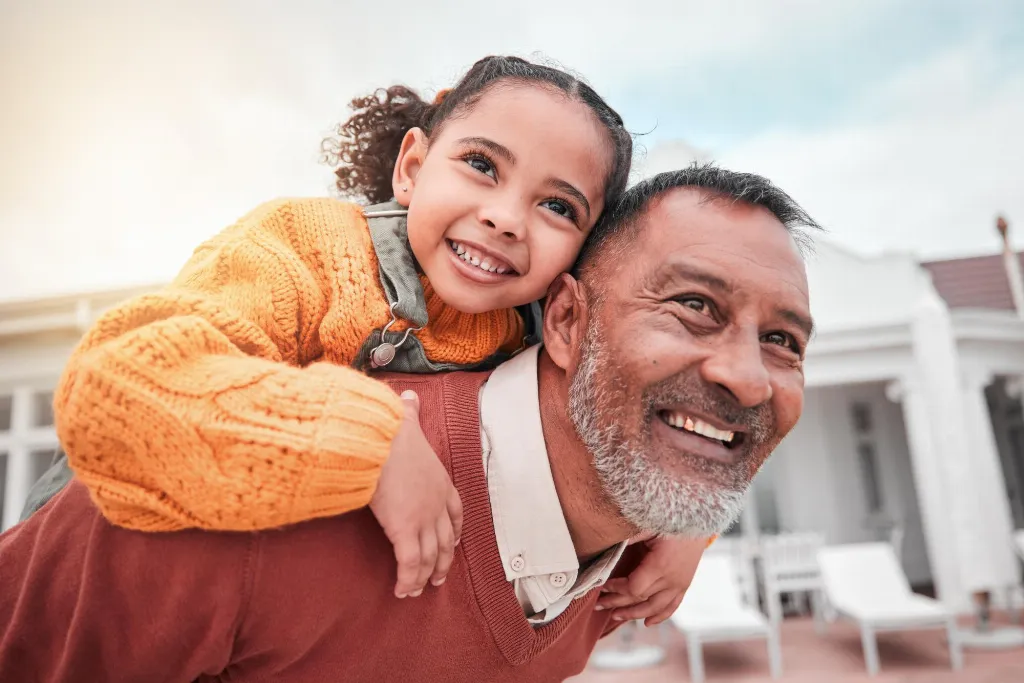
 Intergenerational activities bring young children and older adults together to share stories, play, and learn. These moments help kids grow their social skills, language, and kindness. They also give older adults a chance to teach and feel useful. Below you will find easy steps, ideas, and safety tips you can use right away in your #intergenerational program.
Why do intergenerational activities help kids learn?
1. Children learn by talking and doing with caring adults. When kids spend time with older adults they get one-on-one attention that boosts language and confidence. Research shows children who have strong adult relationships do better in school and feel safer, too (see the Legacy Project for benefits).
2. Interactions build real skills: listening, taking turns, remembering stories, and asking questions. A big review of intergenerational programs noted good signs but also gaps in research; longer programs often show better results (Campbell et al.).
3. Play and creative projects help learning. ChildCareEd shares many ideas like arts, baking, and gardening that work well for both kids and seniors (Bridging Generations). These activities make #children curious and help them with words and teamwork.
Why it matters: Strong early experiences shape future learning. The OECD explains that early social experiences and play are key to development and can reduce opportunity gaps (OECD). Intergenerational programs add a human link that many children need.
How do I plan safe, meaningful intergenerational activities?
1. Start with collaboration. Invite staff from both programs to plan together. Virginia Tech recommends staff work together to match activities to abilities and interests (Best Practices: Collaboration).
2. Use simple steps to plan:
- Choose a clear goal (friendship, reading help, or music).
- Pick activities both groups enjoy (see ideas below).
- Set a schedule that is regular and not too long.
3. Activity ideas (easy to try):
- 🎨 Arts & crafts: shared projects like greeting cards or collages. See ChildCareEd for examples (ChildCareEd). For guidance on how arts activities support early learning and to find training courses for caregivers, see Children and the Arts.
- 🍪 Baking: simple recipes where adults talk about family recipes and measure ingredients.
- 🌿 Gardening: plant seeds, water, and watch growth together.
- 📚 Reading buddies: one adult reads while a child follows or reads aloud.
4. Safety and rules: check the play area and equipment. Follow basic playground and safety guidelines (watch kids, safe surfaces) (KidsHealth). Also check health and background checks for volunteers and remember state requirements vary - check your state licensing agency.
5. Keep sessions short and repeat often. Short, regular sessions build trust. Use chairs, quiet corners, and clear routines so everyone feels comfortable.
Who should you invite and how do you involve families and partners?
1. Invite a range of adults: grandparents, volunteers from senior centers, retired teachers, or college students. Many colleges run programs that connect seniors and students; see examples from Lasell University for campus projects (Lasell Fuss Center).
2. Steps to build partnerships:
- 📞 Reach out: call local senior centers, retirement homes, and volunteer groups.
- 🤝 Meet together: host a short meet-and-greet so staff, families, and older adults can share ideas.
- 📝 Share roles: decide who brings supplies, who leads activities, and who helps with transportation.
3. Involve families:
- 📣 Tell families about benefits: show how #seniors can boost social skills and #learning for #children.
- 📷 Share photos and notes (with permission) so families see progress.
- 💌 Invite families to special events like a potluck or gallery of crafts.
4. Make it respectful: ask older adults about their skills and comfort. Some want to share stories; others like music or games. Plan activities that match physical and attention needs.
5. Legal and access notes: if grandparents are caregivers, remember there may be housing or legal issues. Generations United explains shared-site ideas and supports for grandfamilies (Intergenerational Learning and Care Centers).
What common mistakes happen and how do we measure success?
Common mistakes and how to avoid them:
- ⚠️ Rushing to large events without plan. Fix: start small and regular so friendships can grow.
- ⚠️ Choosing activities that are too hard or too long. Fix: match tasks to both groups—use shorter sessions.
- ⚠️ Not documenting what happens. Fix: take photos, notes, or short voice clips (with permission). Virginia Tech recommends documenting and reflecting to build better future activities (Best Practices: Documenting).
- ⚠️ Ignoring safety checks. Fix: follow playground and health guidance and check volunteers.
How to measure success (simple ways):
- 🙂 Use short surveys for kids, families, and seniors after a few sessions (smiley-face scale works for little ones).
- 📷 Document learning with photos and captions of what kids said or did.
- 📝 Track behavior or language: note if kids use more new words, wait turns, or show kinder actions over time.
- 🔄 Review and change: meet with partners every few months, look at notes, and plan next steps.
Research says intergenerational work shows promise, but more strong studies are needed to prove every outcome. Still, many programs report happier kids, kinder attitudes, and more confident seniors (Campbell et al.).
Conclusion and quick action steps
1. Start small: pick 1 activity and a 20–40 minute weekly time slot.
2. Partner up: invite a senior center, volunteer group, or college program.
3. Plan with staff: meet, list roles, and agree on safety checks (and remember state requirements vary - check your state licensing agency).
4. Document: take simple notes and photos to show growth.
5. Share results with families and partners. Celebrate small wins!
FAQ (short):
- Q: How long should sessions be? A: 20–45 minutes for young children. Keep it regular.
- Q: What if a senior has memory issues? A: Choose activities like art or music. Many programs safely include adults with dementia using guided tasks.
- Q: Do I need permission to take photos? A: Yes. Always get written permission from families and participants.
- Q: Where can I get more ideas? A: Check the ChildCareEd articles and local senior groups for ready-to-use activities (ChildCareEd).
You are making a big difference when you bring generations together. These programs help kids learn, help older adults share wisdom, and build kinder communities. Try one small step this month — a single shared story, a cookie recipe, or a planting pot — and watch the connections grow. #activities #learning #seniors #children #intergenerational
- CDA Infants/Toddlers: Health and Safety
- Play Safe, Think Big: Literacy Through Play
- CDA Infants/Toddlers: Abuse and Neglect Reporting Requisites
- CDA Infants/Toddlers: Classroom Setup
- CDA Infants/Toddlers: Brain Development and Gene Expression
- CDA Infants/Toddlers: Stages of Development
- History, Policy, and Practice in ECE
- CDA Infants/Toddlers: Smart Nutrition & Feeding
- CDA Home Visitor Subject Area 8 Part 1 Birth to 5
- Shoo, Germs! Don't Bother Me!
- CDA Certification en Español: Recursos y Consejos para Educadores Bilingües
- 🥦✨ ¿Cómo apoyar a los niños selectivos a probar nuevos alimentos sin presión?
- Celebra El Cumpleaños de Dr. Seuss En Tu Guardería Con Actividades Fáciles y Divertidas!
- ¿Cómo puedo usar escenarios de juego de roles de primeros auxilios en mi aula?
- ¿Cómo puedo enseñar habilidades de primeros auxilios con escenarios de juego de roles?
- ¿Cómo afecta la dopamina a los niños: señales, efectos e influencias diarias?
- Actividades de Motricidad Gruesa que Desarrollan el Equilibrio, la Coordinación y la Fuerza
- Actividades de Fiesta para Niños de Preescolar y Primaria
- Cómo Celebrar el Día Nacional del Kindergarten
- Actividades de Otoño Fáciles para Preescolares esta Temporada
- Capacitación Previa al Servicio para Proveedores de Cuidado Infantil en Georgia
- Intergenerational Activities for Kids: Learning Across Generations
- Calabazas, hojas y manzanas: actividades de otoño para preescolares
- Senior Citizen Day Ideas for Child Care Programs
- Canciones, juegos y preguntas de círculo para niños
- How Family Background Influences Babies’ and Children’s Development
- Connecting Generations: Activities for Preschoolers and Seniors
- Intergenerational Activities That Bring Children and Seniors Together
- How can I meaningfully involve grandparents in my daycare program?
- How Can Intergenerational Learning Between Children and Older Adults Improve Early Childhood Practice and Community Well‑Being?
