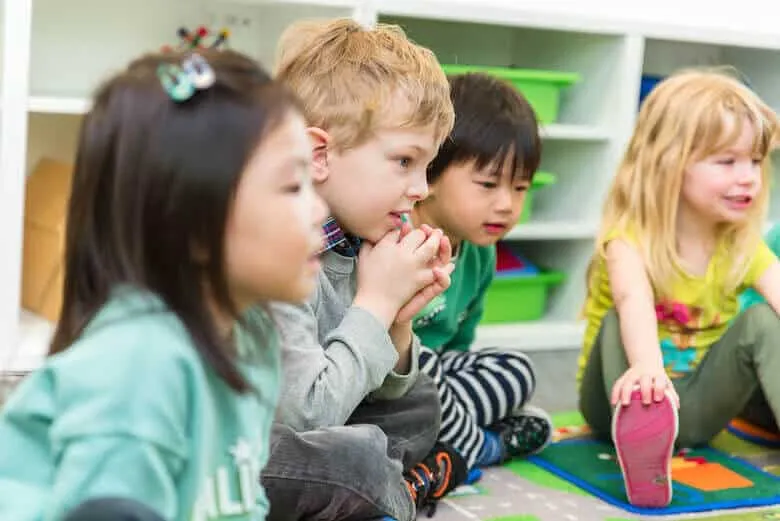
 You don’t have to raise your voice to get a room full of children to listen. A short, playful signal can do the job—fast. When children hear the same fun sound or phrase again and again, they learn what it means: stop, look, and listen. These cues are a big part of positive classroom management. They support strong #classroomroutines, help transitions feel smoother, and keep everyone safer during busy moments like cleanup, lining up, or emergency practice.
If you want a quick classic example, check out "1, 2, 3, Eyes on Me".
What are quick attention signals that actually work?
Quick signals work because they are short, clear, and easy to repeat. Most classrooms do best when you pick 1–2 signals and use them every day.
Try these attention signals:
-
📣 “1, 2, 3… Eyes on me!”
Teacher says the count. Children respond and look up. See details at ChildCareEd -
👏 “Boom, Clap, Snatch!”
Teacher says “Boom,” claps a simple pattern, then quickly shows the object or gives the direction. Kids listen closely so they can match the rhythm. -
🧭 Call-and-response
Teacher says a fun line, children reply.
Example: Teacher: “Hocus Pocus!” → Children: “Everybody focus!”
Make it work every time:
-
After the response, give one clear action, like:
“Voices off. Eyes front. Hands in lap.” -
Keep it positive: say what to do, not only what to stop doing.
-
If you need extra scripts, read ChildCareEd's listening phrases. These cues build #listening skills fast.
How do playful commands like "Boom, Clap, Snatch!" sharpen focus and listening?
Playful commands like “Boom, Clap, Snatch!” turn listening into a quick game—so children want to pay attention. When you mix a fun sound, a simple rhythm, and one fast action, children practice important brain skills like memory, self-control, and timing (often called executive function).
👉 Watch the quick demo video here:
Here’s why it works:
-
Sound or rhythm grabs attention (boom, clap, tap).
-
A quick response trains children to listen and react right away.
-
A small action (freeze, hands in lap) builds body control.
Try practicing for 2–3 minutes at circle time, then use the same cue during transitions like cleanup, lining up, and heading outside. This playful style can also help children who are shy or who learn differently. If a child needs extra support, add visual cues and a calmer spot closer to the teacher so everyone can stay #focused and ready to learn.
How do I teach and practice signals so they work in the real classroom?
Teaching takes steps. Use a short, repeatable plan so staff and children learn the same routine. Try this 4-step teaching loop:
👋 Model it
Show the signal and the response.
Say the words, clap the pattern, and show the “ready” body.
🔁 Practice it
Do it together 3–5 times. Keep it short and fun—smiles help!
✅ Notice it
Praise the children who respond fast and show them exactly what they did right:
“Thank you, Maya—eyes on me!”
ChildCareEd recommends specific praise lines in their listening phrases guide: Teaching children to listen.
🔄 Use it for real
Use the cue during:
-
Transitions (clean up, line up, wash hands)
-
Circle time
-
Outdoor safety moments
-
Any time you need quick, calm attention
Keep it simple and supportive:
-
post 3–5 short rules where children can see them.
-
use pictures/visuals for children learning English or with language delays.
-
remember: the classroom setup and daily routine can make signals work better.
Conclusion: What should you try tomorrow?
Want an easier, calmer day? Start small. Choose one attention signal and use it the same way every time.
Try this simple plan:
-
Pick one clear cue (like “1, 2, 3… Eyes on me!”).
-
Teach it fast with modeling and 3–5 quick practices.
-
Use it all day—especially during transitions and circle time.
-
Praise the quick responders and keep the cue simple so it works every time.
For ready-to-use phrases and short scripts read ChildCareEd's listening phrases. For quick games that build attention, try executive function activities
When you keep signals simple, consistent, and kind, children learn to listen without adults needing to shout. That builds stronger #focus, smoother routines, and safer days for everyone.
FAQs
-
Q: How long should we practice?
A: Just 2–5 minutes at circle time, repeated daily. -
Q: What if a child doesn’t respond?
A: Move closer, say the child’s name, and give one simple direction. Re-teach gently. -
Q: Can I change cues mid-year?
A: Yes—but only if the cue stops working. Re-teach the new cue with practice. -
Q: Where can I find visual supports?
A: ChildCareEd has printable visuals like Classroom Dos and Don’ts Buy Now $0.00.
Use playful signals to grow calm, ready-to-learn children. Keep it simple, consistent, and kind — and your #signals will help build stronger #focus and safer days for everyone.
Latest Jobs
- Positive Attention: Interactions & Supervision of Infants & Toddlers
- CDA Home Visitor Subject Area 3 Part 3 Birth to 5
- Teacher-Child Interactions for Stronger CLASS® Outcomes
- Super Special School Agers ONLINE
- Viewing Guidance in a Positive Light
- Positive Attention: Interactions and Supervision of Infants and Toddlers: For Workforce Solutions
- Social Foundations and Responsive Classrooms
- The Montessori Assistant's Toolkit
- Positive Attention: Interactions & Supervision for Infants & Toddlers
- Every Moment Matters: Schedules and Transitions
- Super Special School Agers
- CDA Certification en Español: Recursos y Consejos para Educadores Bilingües
- Apoyo en Español para Capacitaciones Grupales Presenciales y por Zoom en Cursos Selectos
- How can ChildCareEd's behavior management courses help Minnesota childcare providers handle challenging situations without outside support?
- How Can We Encourage Good Behavior in the Classroom?
- How can we help preschool children become better listeners?
- Call-and-Response Attention Getters for Young Children
- One, Two, Eyes on You: Classroom Attention Getter for Preschool
- Talk, Listen, Connect: Build Stronger Child Care Relationships in 9 Hours
- 1 2 3 Eyes on Me: What to Do When This Attention Getter Stops Working
- Time-In or Time-Out? 7 Real Classroom Scenarios and What to Try
- Toddler Classroom Management Strategies for the 5 Hardest Parts of the Day
- Attention Signals: Which Ones Work Best for Toddlers, Preschoolers, and School-Age Kids?
- Proporciones para guarderías en casa bajo el Título 22: Cómo la mezcla de edades cambia su capacidad en California
- How Can Child Care Providers Help Children with Attention and Impulse-Control Challenges?
- How Can Child Care Providers Set Clear Classroom Rules and Expectations?
- What Are 10 Proactive Classroom Management Techniques for Early Educators?
- How Can Daycare Leaders Foster a Positive Work Culture Among Teaching Staff?
- How Can You Help a Child Who Won’t Listen in the Classroom?
- Why Do Young Children Tattle, and How Should Teachers Respond?
