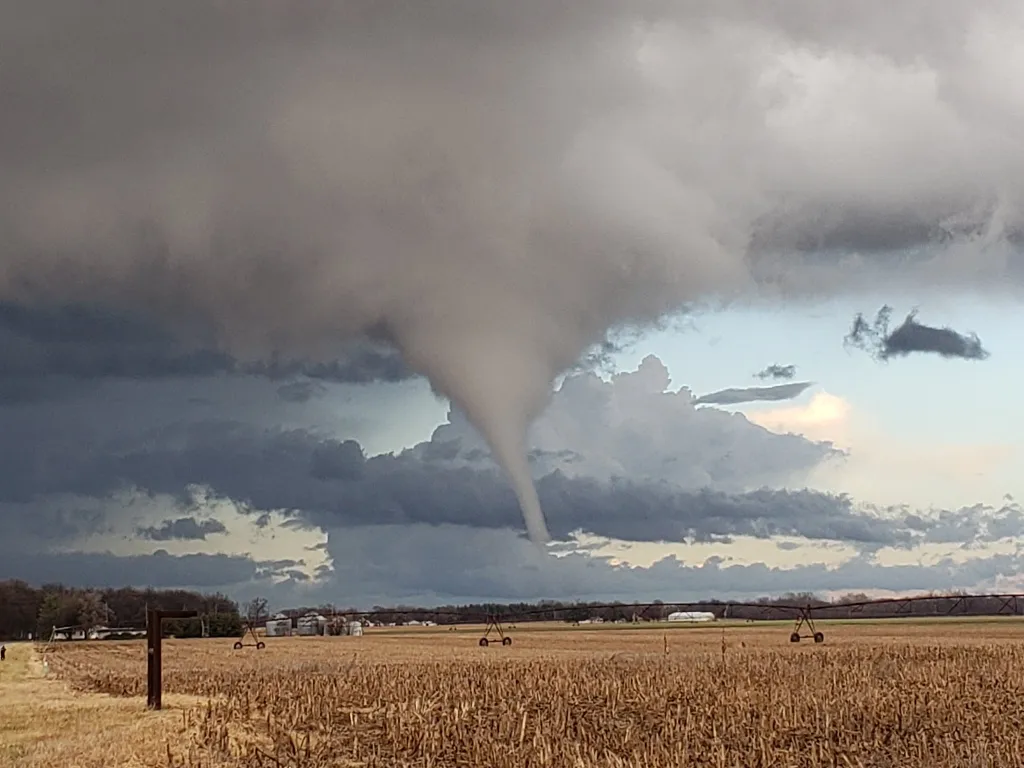
 Illinois weather can change fast—sunny one day, stormy or dangerously hot the next. In child care, we can’t wait and hope for the best. This article shares simple steps to prepare for tornadoes, snow days, and extreme heat so you can stay calm and keep every child safe.
What weather emergencies should Illinois child care programs plan for?
Illinois can have many kinds of tough weather—sometimes in the same month! It helps to plan for:
-
Tornadoes and strong storms (often in spring and summer)
-
Snow, ice, and very cold days (winter)
-
Extreme heat and heat waves (summer)
Even if your program has never had an emergency before, it’s smart to prepare. When adults stay calm and ready, children feel safer too. #ChildCareSafety #EmergencyPrep
How do I make a simple emergency plan for my child care program?
A good plan does not have to be fancy. It just needs to be clear, written down, and practiced.
Start with these 5 basics:
-
Who is in charge? (Director, lead teacher, owner, etc.)
-
How will we communicate? (calls, texts, app messages, paper notes)
-
Where will we go? (shelter area, alternate site, evacuation route)
-
What supplies do we need? (go-bag, meds, diapers, water)
-
How will we reunite families? (pick-up rules, ID check, sign-out)
If you want step-by-step help building your plan, these ChildCareEd courses match this topic:
llinois note: These courses are available to take, but they may not be recognized for Illinois-approved training hours. Always confirm with your state before using certificates for credit.
What should be in an “emergency go-bag” for child care?
Keep one go-bag in the classroom and one in the office (if you can). Check it every month.
Go-bag ideas:
-
Class roster + emergency contacts
-
Copies of permission forms (if used)
-
First aid kit and gloves
-
Flashlight + extra batteries
-
Battery-powered radio (or weather radio)
-
Bottled water + simple snacks
-
Diapers, wipes, and spare clothes
-
Comfort items (small blanket, a few books)
-
Any needed medications (follow your policy and storage rules)
A ready-to-use template can make planning faster. ChildCareEd has a helpful downloadable resource here:
Emergency Preparedness Plan for Child Care Providers and Child Care Centers Buy Now $0.00
What should we do during a tornado warning in Illinois?
Tornado safety is all about getting low and getting inside.
When a tornado watch is issued (be ready):
-
Check your weather alerts and local news
-
Review your shelter plan with staff
-
Bring inside outdoor toys and check doors
-
Make sure your go-bag is easy to grab
When a tornado warning is issued (take action now):
-
Move children to your safe shelter area (often a basement or an interior room)
-
Stay away from windows and doors
-
Use a calm voice and simple words (“We are going to our safe room now.”)
-
Take attendance right away, then again once you are sheltered
Illinois has a Severe Weather Preparedness guide that can help programs plan ahead:
Tip: Practice a “safe room walk” like a fire drill—slow, calm, and organized. #IllinoisWeather
How can we handle snow days and winter storms without confusion?
Snow days can be tricky because roads may be unsafe and families may not know what to expect.
Create a simple snow-day decision plan:
-
Who decides if you close early or open late?
-
What time will you tell families?
-
How will you announce it? (text + email + app + phone tree)
-
What happens with meals, naps, and pick-up if you close early?
Winter safety reminders for child care:
-
Limit outdoor time when it’s dangerously cold
-
Watch for frostbite signs (pale skin, numb fingers)
-
Keep extra mittens, hats, and socks on hand
-
Have a backup heat plan if power goes out
Head Start also encourages programs to plan ahead for winter emergencies, including cold safety and winter-weather steps.
What should we do during extreme heat to keep children safe?
Hot days can cause children to get sick faster than adults. Plan for heat like you plan for storms.
Heat-safety steps that work in child care:
-
Offer water often (don’t wait for kids to ask)
-
Use shade and shorten outdoor time
-
Move active play indoors when it’s too hot
-
Dress children in light clothing (when possible)
-
Watch for heat illness signs: headache, dizziness, heavy sweating, weakness
Illinois Extension notes that Illinois can face extreme heat and recommends having a preparedness checklist and planning ahead.
If a child seems very sick (confused, fainting, not waking up), call emergency help right away.
How do we communicate with families during weather emergencies?
In an emergency, families want quick, clear updates. Keep messages short and repeat the main point.
A good emergency message includes:
-
What happened (simple words)
-
What you are doing now (sheltering, closing, evacuating)
-
What families should do (pick up, wait for updates, bring ID)
-
When you will update again
Example (snow closure):
“Due to weather, we are closing at 2:00 PM today. Please pick up by 2:00. Bring your photo ID. We will send another update by 1:00 PM.”
How often should we practice emergency drills?
Practice helps everyone feel more confident—especially new staff and children.
Try a simple yearly drill plan:
-
Tornado / shelter drill (seasonal)
-
Fire drill (as required)
-
Lockdown or secure building drill (if part of your plan)
-
Evacuation practice (walking the route)
Want more ideas for building strong routines and plans? This ChildCareEd article is a great companion read:
Prepare Your Childcare Center for the Unexpected
Where can Illinois programs find extra emergency guidance?
It can help to review trusted guides made for child-serving programs:
-
Illinois severe weather planning information (tornadoes, storms, and more)
-
Illinois child care emergency plan materials (statewide plan info)
-
CDC emergency preparedness for early care and education
You don’t have to use every idea. Pick what fits your building, your children’s ages, and your staffing.
Want more tips and quick trainings?
If you’re ready to strengthen your plan, start here:
