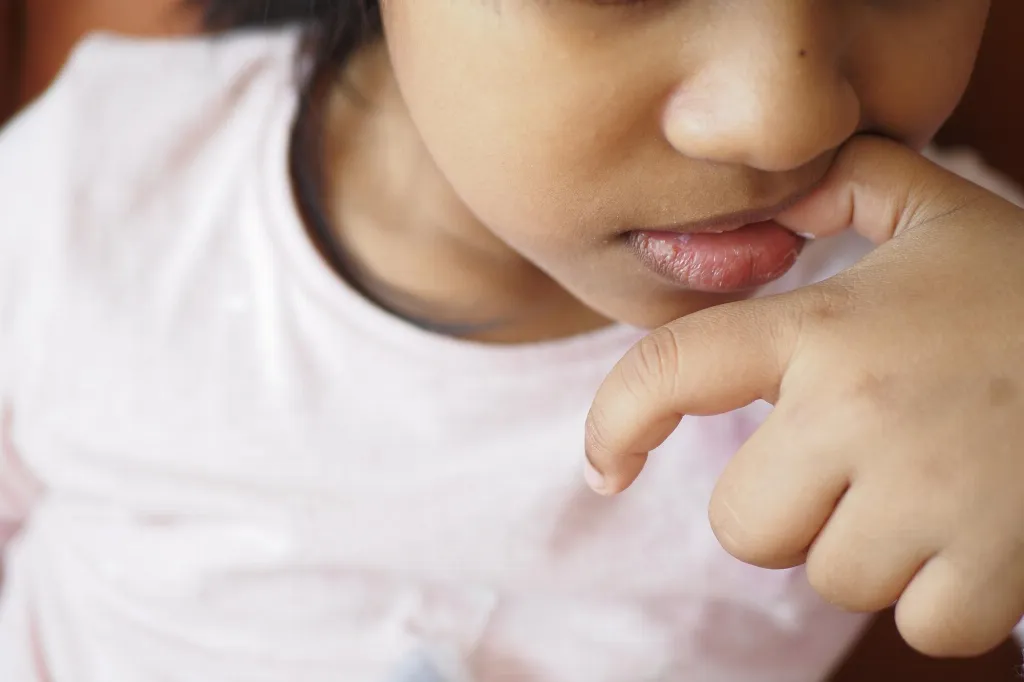
 Biting can feel upsetting for staff, families, and the child who bites. This short guide helps directors and child care providers understand the common reasons children bite and what practical steps your team can use right away. You will find clear actions for the moment of a bite, simple prevention ideas, and tips for working with families.
For more training and free tools see Why kids bite (and what to do about it) and the free resource Understanding Biting and Hitting. Remember: state requirements vary - check your state licensing agency.
Why are children biting in child care?
Biting is usually a way a young child tells others something they cannot yet say with words. Watch for patterns and reasons. Common causes include:
- 🦷 Teething or mouth discomfort — chewing helps some children feel better. See teething notes in Why kids bite.
- 😕 Limited words — toddlers often use actions when they lack language. Understanding Why Toddlers Bite explains this.
- 😡 Big feelings (frustration, fear, excitement) — strong emotions can cause a quick bite.
- 🔁 Attention or imitation — some children learn a bite gets a big reaction.
- 🏷️ Overstimulation, crowding, or routine changes — stressful times raise the chance of biting.
Why it matters: when we find the cause, we can choose the right fix. Tracking simple facts (when, where, who) helps. For research-based ideas on social-emotional teaching, see CSEFEL strategies. Use #biting and #toddlers to tag training notes in your staff files.
What should staff do right after a biting incident?
Keep the moment calm and short. Safety and comfort come first. Follow these steps:
For more detailed, age-specific scripts and step-by-step management strategies that help staff teach alternative behaviors and support emotional development, see How To Handle Children Who Bite.
- 🩹 Comfort the child who was bitten. Clean the area and check for injury.
- 🗣️ Use one short sentence with the biter: “You bit. Biting hurts.” (Do not shame the child.) See scripts in What Should I Say?.
- 👂 Name the feeling: “You were mad.” Offer a safe replacement: “Say ‘Stop’ or ask a teacher.”
- 📄 Document facts (time, place, who) and follow your health steps if skin is broken. National guidance is in Caring for Our Children.
- 🤝 Tell families calmly and privately. Use facts, not blame. For wording tips see How can I talk to parents.
Short messages and steady routines teach more than long lectures. Use #communication and #safety in your incident reports to highlight what you taught and the safety steps taken.
How can we prevent biting in the classroom?
🔍 Observe and record patterns (use ABC notes: Antecedent, Behavior, Consequence). This helps pick the right strategy; see Biting in Child Care.
🧩 Change the room: add duplicate popular toys, make clear play areas, reduce crowding at hot spots.
🗣️ Teach short replacement words and role-play them during calm times: e.g., “My turn,” “Help,” “Stop.” Use scripted stories from CSEFEL.
🦷 Meet oral needs: offer safe teething items or chewy options when allowed and supervised.
👀 Boost active supervision at known times and use proximity to redirect before a bite.
📚 Train staff: courses like Ouch! Biting & Hitting Hurts  Buy Now $24.00 give practical steps for teams.
Common mistakes to avoid:
- ❌ Yelling or shaming — this increases stress and hides learning.
- ❌ Ignoring patterns — without data you can’t change the trigger.
- ❌ Inconsistent messages across staff and families — children need the same short scripts everywhere.
Use #prevention in your daily huddles to remind staff of what to watch for.
How do we partner with families and when should we seek extra help?
Families are key partners. Share facts and a simple team plan. Steps to work together:
- 📋 Share the facts privately and kindly: when, where, what you did, and what you will try next. See examples in How can I talk to parents.
- 🤝 Make a brief plan: 2–3 prevention steps, one replacement skill to teach, and a date to check back (3–7 days).
- 📈 Track progress and report back. Use neutral language and avoid naming other children in family conversations.
- 👥 Get extra help when biting is frequent, severe, continues past age 3–4, or causes repeated injury. Bring in your director, a mental health consultant, or suggest a pediatric referral. Follow your program policy and note: state requirements vary - check your state licensing agency.
Common pitfalls when working with families:
- ❌ Blaming parents or the child — it breaks trust.
- ❌ Surprise notes without conversation — families need a quick call or meeting for serious incidents.
Summary
1) Biting is often a short-term skill problem, not bad intent. 2) Respond fast: comfort the injured child, speak calmly to the biter, and document. 3) Prevent with observation, environment changes, teaching words, safe oral options, and team consistency. 4) Partner with families and bring in extra help when needed.
For step-by-step help and staff training, use resources like Why kids bite, Ouch! Biting & Hitting Hurts Buy Now $24.00, and the free materials at Resources - Ouch! Biting & Hitting Hurts. You are not alone — small, consistent steps help children learn safer ways to show feelings.
FAQ
- Q: Is biting normal? A: Often, for infants and young #toddlers. It usually lessens as language grows. See Understanding Why Toddlers Bite.
- Q: When do we call for extra support? A: If biting is frequent, severe, over age 3–4, or not improving with consistent plans.
- Q: Should we name the biter to the other family? A: No. Share facts, not names, to protect privacy.
- Q: What short phrase should staff use? A: “Biting hurts. We use gentle hands.” Keep it the same across adults.
- Creating Safe & Healthy Child Care Environments
- Professional Presence in Early Childhood
- Ouch! Biting & Hitting Hurts
- 24 Hour Texas Pre-Service
- 45-Hour Infant and Toddler Curriculum
- Texas Director Credential
- Building a Healthier Tomorrow: Preventing Childhood Obesity
- Supporting Families and Caregivers in Language and Literacy
- Ouch! Biting & Hitting Hurts
- Rooted in History: Early Childhood
- 😤💬 ¿Qué Le Digo a un Niño que Acaba de Morder a Otro?
- Positive Ways to Respond When Children Bite
- Biting Behavior in Early Childhood: Causes and Solutions
- How Can North Dakota Providers Respond to Toddler Biting Without Shaming?
- Cómo simplificar la capacitación para sus empleados de daycare
- How should Michigan child care providers manage toddler biting incidents?
- How can child care programs support toddlers through biting and hitting phases?
- Why Do Toddlers Bite and How Should Child Care Providers Respond?
- How to Stop a Child From Hitting Others Without Yelling or Shaming
- Toddler Classroom Management Strategies for the 5 Hardest Parts of the Day
- How Can Providers Handle Biting in the Toddler Classroom?
- What Should You Do When a Toddler Keeps Hitting at Daycare?
- Why Is My Preschooler Suddenly Aggressive, and How Can Child Care Providers Help?
- How Can Daycare Providers Stop Children From Hitting Each Other?
- How Should Child Care Providers Respond to and Document Biting Incidents?
- What Happens Before Biting—and How Can Child Care Teams Find the Pattern?
- Why Do Toddlers Bite, and How Should Child Care Providers Respond?
- How Can Child Care Providers Talk With Families About Behavior Before the Next Incident?
- When Biting Increases Across a Toddler Classroom, What Should You Review?
- How Can We Teach Toddlers What to Do Instead of Hitting?
