Working with young children can be joyful and sometimes tiring. This short guide answers the question above for Georgia child care providers and directors. It gives simple signs to watch for, ways to teach good behavior, how to work with families, and where to get training and help. Why it matters: Early help keeps children safe, supports learning, and helps teachers keep the classroom calm. Also, state requirements vary - check your state licensing agency.
What behaviors are typical, and which ones are concerning?
- 😊 Typical signs (common for many young kids): short tantrums, trouble sharing sometimes, needing help to calm down. These can be part of learning.
- 🔍 Watch for patterns: if a behavior happens the same way many times, note when it happens, what happened first, and what followed. This is the heart of a functional check like CSEFEL's FBA ideas.
- ⚠️ Concerning signs to act on: ongoing hitting that hurts others, long withdrawal from play, little language, or sudden big changes in mood. If you worry, use a checklist or screening tool and share with families and health providers (see Watch Me! training).
- 📌 Keep notes: write short, factual observations (what, when, who, where). These facts help teachers, parents, and specialists understand the issue.
When you notice something, think of behavior as communication. A child may be telling you they are tired, hungry, scared, or need help. Use simple observation first and then plan the next steps.
How can we prevent problems and teach better behavior in the classroom?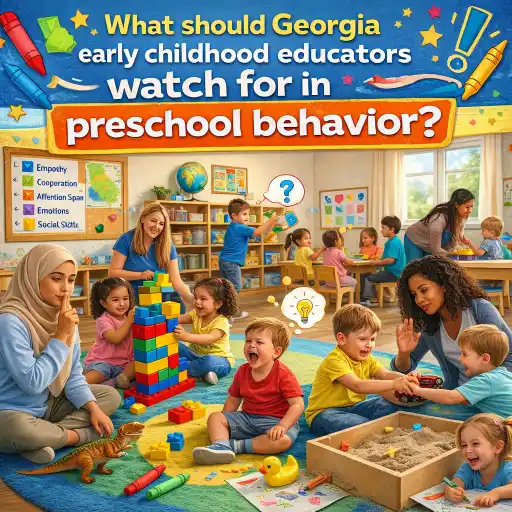
- 🧭 Set clear routines: post a picture schedule, announce transitions, and give short warnings ("Five more minutes").
- 🎯 Teach skills: use short lessons on waiting, asking for a turn, and using words. ChildCareEd's article on teaching SEL and emotional regulation has easy classroom ideas.
- 🧰 Use supports: first-then cards, break cards, and cue cards help children understand steps (see simple tools for managing behaviors).
- 📈 Use multi-tiered supports: start with good classroom practice, add small group teaching for kids at risk, and use a team plan for persistent problems. Learn from the Pyramid Model and PBIS resources like the National Center for Pyramid Model Innovations.
- 💙 Be trauma-aware: some children need a trauma-informed approach. For ideas, see ChildCareEd's article on trauma-informed care.
Teaching small steps often and praising success works better than long lectures. Remember: think of the child first, not the behavior as "bad."
How do I talk with families and make a plan together?
- 📋 Prepare: collect two clear examples and short notes about when the behavior happens. Use facts, not labels.
- 🤝 Start with strengths: say what the child does well, then share one or two observations and ask the family's view.
- 🛠️ Make a simple plan together (1–3 steps):
- ✅ Pick 1 skill to teach (e.g., using words for a turn).
- ✅ Choose a classroom strategy (e.g., first-then board).
- ✅ Set a short check-in (1–2 weeks) and a review (4–6 weeks).
- 🔎 If behavior continues, use a team approach and functional assessment. The CSEFEL briefs on functional assessment and PBS (FBA) explain steps for teams.
- 📞 Protect privacy: do not name other children in conversations. Document the meeting and follow up.
When families and providers use the same words and steps, children learn faster. Use respectful language, listen, and offer simple home activities to practice skills.
What tools, trainings, and next steps can directors and providers use—and how to avoid common mistakes?
Training and tools help staff feel ready. In Georgia, DECAL rules matter for staff training and classroom practice. For Georgia training details and the annual training mandate, see ChildCareEd's DECAL overview at What Training Does DECAL Require. For help paying for training, look at DECAL Scholars.
- 📚 Training options:
- ✅ ChildCareEd courses like Turning Behavior Around Buy Now $25.00 and From Tantrums to Triumphs Buy Now $25.00.
- ✅ Short trainings on SEL and trauma-informed care (see ChildCareEd articles linked earlier).
- 🧾 Tools to use now: behavior logs, first-then cards, break cards, and visual schedules (see Resources for Managing Behaviors).
- 📊 Documentation: track training hours in your system, keep behavior notes, and store family meeting records. For Georgia staff, confirm uploads in GAPDS as required.
- ⚠️ Common mistakes and how to avoid them:
- ❌ Only call families for problems — instead, share positives often.
- ❌ Use labels like "bad kid" — use facts and behavior function instead.
- ❌ Skip follow-up — set short check-ins and stick to them.
- ✅ Next steps checklist for directors:
- 1. Train staff on one SEL routine this month.
- 2. Post visual schedules and ratio reminders in each room.
- 3. Start a simple behavior log for any child you worry about.
- 4. Plan one family conference focused on strengths + one small goal.
If a behavior is dangerous or you suspect a disability, get help fast. Use early intervention referrals and local specialists. For developmental screening basics, see the CDC resources.
Conclusion
Watching preschool behavior well means noticing patterns, teaching small skills, partnering with families, and using clear tools. In Georgia, use DECAL-approved training and follow licensing rules. Be kind to yourself: helping children learn better ways to act is steady work that pays off. For quick reading and course links, many useful ChildCareEd articles are linked above. Your calm, consistent care changes children's lives.
Work with families as partners. Good talks help everyone help the child. ChildCareEd has simple scripts and tips for these talks in the article How can I talk to parents about behavior concerns? Children show lots of feelings as they grow. Knowing what is normal helps you spot when a child needs extra help. Use regular checks and watch patterns over time. The CDC guidance on developmental monitoring is a helpful tool. Prevention helps most. A calm room, clear routines, and teaching social-emotional skills make a big difference. Social-emotional teaching helps children label feelings and learn quick calming steps (deep breaths, counting).
- 45 Hour Child Growth and Development
- CDA Home Visitor Subject Area 3 Part 3 Birth to 5
- 45 Hour Preschool Methods and Materials
- Birth to Five CDA Credential with Portfolio Review
- Pediatric RSV First Aid & CPR/AED
- CDA Bridge Bundle: Family Child Care without Portfolio Review
- CDA Bridge Bundle: Preschool without Portfolio Review
- Texas Director Credential
- Professional Integrity in Child Care
- ChildCareEd: Empowering Early Childhood Educators with Quality Training
- How to Become a Preschool Lead Teacher in Georgia
- CDA Certification en Español: Recursos y Consejos para Educadores Bilingües
- 😫🧸 ¿Qué hacer cuando un bebé no quiere dormir la siesta en el aula?
- Montessori Assistant Training in Georgia
- Inclusion in Child Care: Simple Classroom Supports for Children With Disabilities (Georgia Resources)
- Georgia SEEDS for Success: What It Is and How Child Care Programs Can Get Help
- Georgia Child Care Ratios & Group Sizes by Age (DECAL Quick Guide)
- Retraso del Habla en la Guardería: Cómo Pueden Ayudar los Proveedores
- How to Become a Preschool Teacher in Georgia
- Which Georgia Parks and Nature Centers Are Best for Preschool Field Trip Adventures?
- How can visuals, routines, and gentle words support Georgia preschoolers with special needs?
- What should Georgia early childhood educators watch for in preschool behavior?
- New Child Care Regulations in Georgia for 2026
- What should Georgia preschool educators notice during play and routines?
- How can Georgia preschools include every child and help them feel seen and supported?
- What Could the SEED Act's New Tax Deduction Mean for Minnesota Early Educators?
- How Many Kids Can You Watch Without a License in Georgia?
- 40 Hour Director Training Georgia: Is the Course All You Need to Become a Director?
