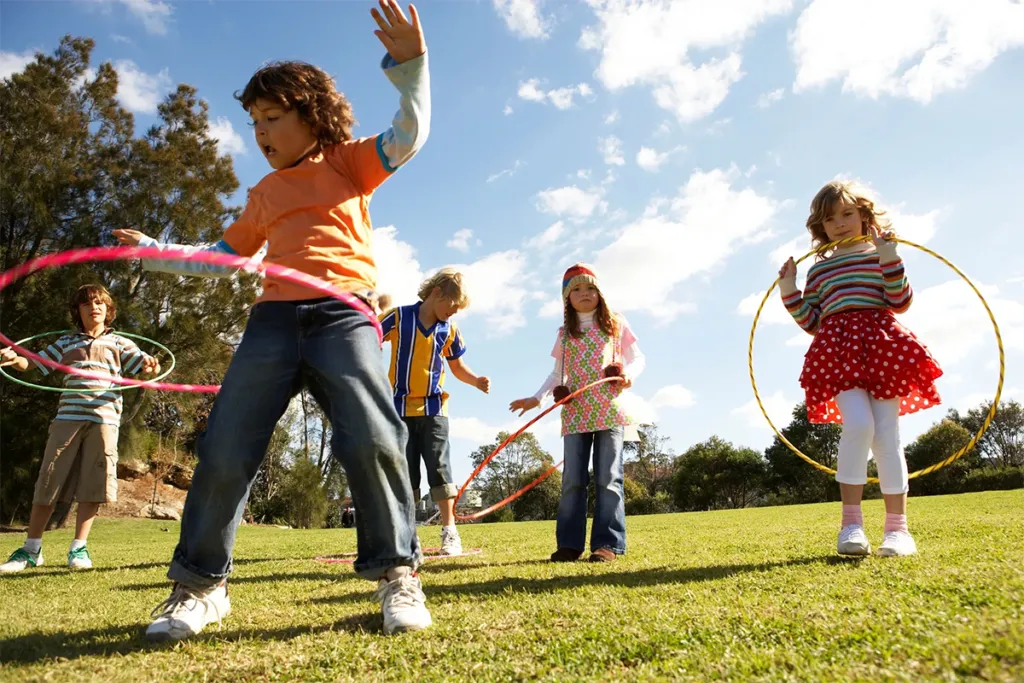
 As a child care provider, you already know this: kids learn best when their bodies can move. The good news is you don’t need a gym (or fancy equipment) to build strong gross motor skills. With a few simple games, you can help #preschoolers practice balance, strength, coordination, and self-control inside or outside.
The CDC says children ages 3–5 should be physically active throughout the day for healthy growth and development. That movement also helps many children feel calmer and more ready to listen.
Why do gross motor games matter for preschoolers?
Gross motor skills are “big body” skills like running, jumping, kicking, throwing, and balancing. These skills support:
-
Strong posture (so kids can sit and work at a table)
-
Body control (so they bump into friends less)
-
Focus and behavior (movement breaks can reset attention)
-
Confidence (“I can do it!” moments build courage)
If you want a ready-to-use set of game ideas, start here: Gross Motor Games for Preschoolers Buy Now $0.00
What simple indoor games build big skills in 5–15 minutes?
These games are easy, safe, and flexible. Pick 1–2 each day and repeat them often. Repetition helps kids feel successful.
-
“Snowball” Toss (throwing + aiming)
Crumple paper into “snowballs” (or use soft balls). Toss into baskets at different distances.
Make it easier: move the basket closer.
Make it harder: toss with one hand or from a taped line. -
Tape Stepping Stones (balance + planning)
Put painter’s tape squares or circles on the floor. Children step, hop, or tiptoe from one to the next.
Add learning: call out colors, numbers, or shapes to step on. -
Balloon Keep-Up (coordination + gentle movement)
One balloon per small group. Kids keep it in the air using hands, elbows, or knees.
Safety tip: use an open space away from shelves and sharp corners. -
Penguin Waddle Relay (core + legs)
Put a beanbag (or small pillow) between knees. Waddle to a cone and back.
Make it easier: shorten the distance.
Inclusive option: let a child carry the beanbag and do “penguin arms.” -
Freeze Dance (listening + self-control)
Play music. When it stops, children freeze like a statue.
Theme ideas: “freeze like a snowman,” “freeze like a superhero.” #grossmotor
Want more classroom-friendly game ideas? This ChildCareEd article has a great list: 10 Gross Motor Games
How do I set up a safe movement space indoors?
A calm setup helps active play stay safe (and keeps your stress lower, too). Use this quick checklist:
-
Clear the area: move chairs, pick up small toys, wipe up wet spots
-
Mark a “movement zone”: tape a square/rectangle on the floor
-
Teach one stop signal: clap pattern, bell, or “Freeze!”
-
Demo first: show the move with your own body (kids copy faster than they listen)
-
Plan supervision: stand where you can see the whole area
A simple routine also helps transitions:
-
“Move to the line.”
-
“Hands on belly.”
-
“Eyes on teacher.”
-
“Ready…go!”
If you want deeper safety strategies that fit active play, this training is a strong match:
A Watchful Eye: Supervision in Early Childhood  Buy Now $16.00
How do these games support school readiness and classroom skills?
These games may look like “just play,” but they build skills children need for daily routines:
-
Balance + body control: helps with walking in line, sitting steady, and climbing safely
-
Crossing the midline: (reaching across the body) supports later writing and cutting
-
Motor planning: helps kids figure out “what to do next” in a task
-
Self-regulation: stop/go games (like Freeze Dance) teach control and turn-taking
And remember: preschoolers don’t need one long workout. The CDC guidance is about being active across the day—short bursts count. #childcare
How can I adapt gross motor games for different ages and abilities?
In every group, you’ll have different skill levels. Adaptations help everyone join in.
Try these easy changes:
-
Offer two choices: “Hop OR step,” “Fast OR slow,” “Throw close OR far”
-
Change the goal: “Aim for the big basket” instead of “Make 5 in a row”
-
Use different equipment: bigger balls, softer targets, lower tape lines
-
Use visuals: picture cards showing “jump,” “tiptoe,” “freeze”
-
Use buddy support: pair a confident child with a child who needs help
Common mistakes to avoid:
-
Too hard too soon: start simple, add one challenge at a time
-
One rule for all: give at least two ways to succeed
-
Long wait times: add stations so kids aren’t standing in line
For planning activities that match development (and avoid “too hard” expectations), this course supports your teaching choices:
DAP for Preschool
What’s an easy way to fit movement into my daily schedule?
You don’t have to “add more time.” You can swap small parts of the day for quick movement.
Try this simple pattern:
-
Morning: 5-minute Tape Stepping Stones
-
Before circle time: 2-minute Freeze Dance
-
Before lunch: 5-minute Balloon Keep-Up
-
After nap: 5-minute Penguin Waddle Relay
If you want a bigger picture of how movement connects to early learning goals (physical + thinking skills), this course is directly related:
CDA Subject Area 2
Where can I get more ready-to-use ideas and follow ChildCareEd?
-
Start with this ready resource you can use tomorrow: https://www.childcareed.com/r-00812-gross-motor-games-for-preschoolers.html Buy Now $0.00
-
Read more game ideas here: https://www.childcareed.com/a/the-gross-motor-truth-10-gross-motor-games-for-active-classroom-fun.html
If you want a simple starter set for this week, use: Balloon Keep-Up, Tape Stepping Stones, Snowball Toss, Penguin Waddle, and Freeze Dance. Repeat them often, celebrate effort, and you’ll see confidence grow right along with #skills.
