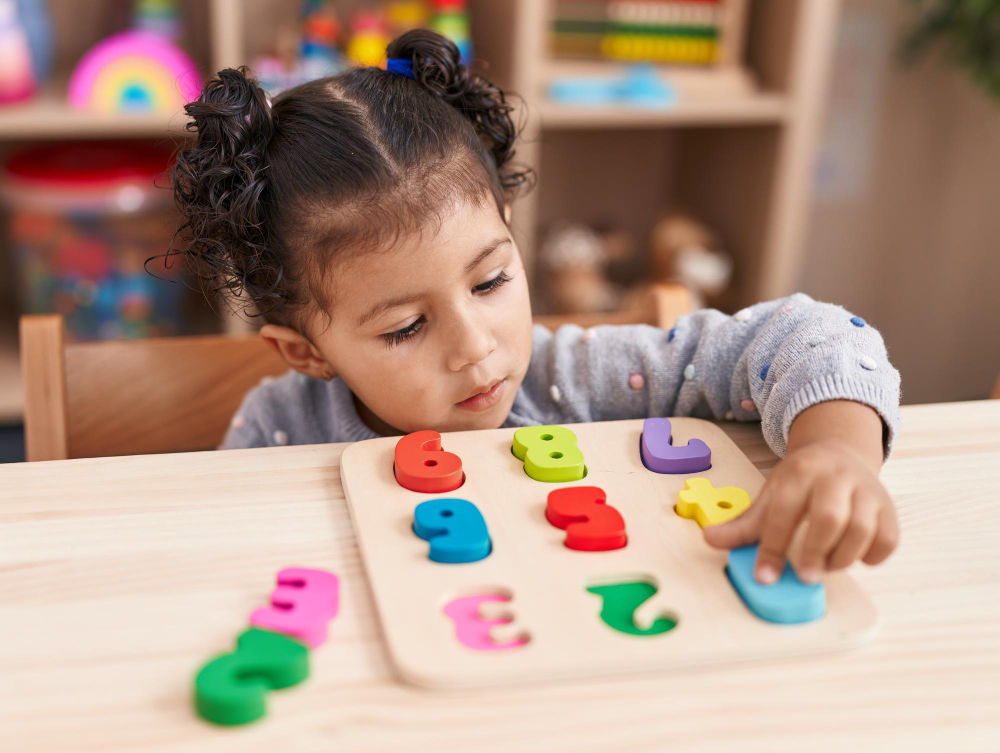
 This article delves into the multifaceted world of early childhood education, focusing on the vital skills children acquire during these early years. ChildCareEd's Bright Futures: Social-Emotional Development
  Buy Now $16.00 and Building Little Learners: Supervision & Early Literacy Skills Buy Now $10.00 courses illustrate how structured environments, such as those provided by Candy Cane's Learning Center, foster academic readiness while promoting emotional and social growth.
What are the core components of early childhood education?
Key components of #early-childhood education include:
-
Developmental Milestones: Understanding the typical developmental stages for children aged 3 to 4 years is crucial. These milestones encompass physical, cognitive, social, and emotional growth
Buy Now $16.00, which are foundational for future learning. Recognizing these milestones helps educators tailor their teaching strategies to meet the needs of each child. See Child Development Training. -
Kindergarten Preparedness: Programs like Junior-K and Pre-K focus on preparing children for the transition to kindergarten (see what skills really matter for kindergarten readiness). This includes fostering independence, enhancing social interactions, and developing essential academic skills. Children learn to navigate a structured environment, which is vital for their future educational experiences.
-
Social Skills Development: Cooperative play and collaborative problem-solving are emphasized in early childhood settings. Children learn to interact with peers, share, and resolve conflicts, which are vital skills for their social development. These interactions not only build friendships but also teach empathy and communication.
-
Gross Motor Skills Mastery: Activities that promote physical development, such as outdoor play and movement-based learning, are integral to early childhood education. These activities help children develop coordination and strength, which are essential for their overall growth; see how motor skills shape development. Engaging in physical activities also supports cognitive development by enhancing focus and attention.
-
Individualized Learning: Recognizing that each child progresses at their own pace, early childhood education programs often customize learning experiences to meet the unique needs of each child. Learn more: Tiny Tots, Big Learning. This tailored approach ensures that all children can thrive and reach their full potential, fostering a love for learning that lasts a lifetime.
-
Engaging Learning Environments: Creating a stimulating and nurturing classroom environment is essential. Educators should provide opportunities for independent discovery and hands-on learning, allowing children to explore their interests
Buy Now $10.00and develop a love for learning. A well-designed classroom encourages curiosity and creativity, making learning enjoyable.
Which sources support these points?
What do certification programs for early childhood educators include?
Certification programs for educators in early childhood education encompass several essential components that are crucial for fostering effective teaching practices. These components include:
-
Foundational Knowledge: Many programs provide comprehensive coverage of critical topics such as child development, learning theories, and effective teaching
Buy Now $10.00strategies. This foundational knowledge is vital for educators to understand the unique developmental needs of young children. For background on credentialing, see What is a CDA Credential?. -
Practical Skills: Certification programs often incorporate hands-on training and practical experiences, allowing educators to apply theoretical knowledge in real-world settings. This experiential learning is essential for developing effective teaching methodologies.
-
Specialized Areas: Some certifications focus on niche areas within early childhood education, such as special education, bilingual education, or curriculum development. These specialized programs empower educators to tailor their skills to meet the diverse needs of their students.
-
Ongoing Professional Development: Many certification programs mandate continuous professional development, ensuring that educators remain informed about the latest research, trends, and best practices in early childhood education. This commitment to lifelong learning is crucial for maintaining high teaching standards.
-
Quality Assurance: Certifications often act as a form of quality assurance, signaling to #parents and employers that educators have met specific standards of competence and professionalism. This can enhance the reputation of educational institutions and foster trust within the community.
-
Career Advancement: Obtaining certifications can open doors to new career opportunities and promotions within the field of education. Educators with specialized certifications may find themselves more competitive in the job market, leading to better positions and higher salaries.
References
How do seasonal crafts support early learning?
Seasonal #crafts provide a unique platform for children to explore their creativity and learn through hands-on activities. Here are some key benefits of incorporating seasonal crafts into early childhood education:
-
Creativity and Imagination: Crafting allows children to express their ideas and emotions. When making candy cane ornaments, for instance, they can choose colors, patterns, and designs, which encourages imaginative thinking.
-
Fine Motor Skills Development: Activities like stringing beads onto pipe cleaners to create candy canes require precision and control, helping to strengthen fine motor skills that are crucial for tasks such as writing and self-care.
-
Understanding Patterns and Math Concepts: Seasonal crafts often involve patterns, such as the alternating colors of red and white in candy canes. This hands-on experience helps children grasp basic math concepts, including sequencing and pattern recognition.
-
Cognitive Skills Enhancement: Engaging in crafts requires planning and problem-solving
Buy Now $16.00. Children must think about how to execute their ideas, which enhances their cognitive abilities. -
Social Skills and Teamwork: Crafting can be a collaborative activity. When children work together to create decorations, they learn to share materials, communicate ideas, and support one another, fostering social skills.
Buy Now $16.00 -
Cultural Awareness and Seasonal Themes: Seasonal crafts introduce children to various cultural traditions and celebrations. By making candy cane ornaments, they learn about holiday customs and the significance of different symbols.
To implement a simple yet effective seasonal craft, consider the following steps for making beaded candy cane ornaments:
-
Materials Needed:
- Red and white beads with large holes
- Red, white, or metallic pipe cleaners
-
Instructions:
- Begin by twisting a knot at one end of a pipe cleaner to secure the beads.
- Discuss the colors found on a candy cane with your child, emphasizing the red and white pattern.
- Guide them to alternate stacking red and white beads onto the pipe cleaner, reinforcing the pattern as they work.
- Once finished, twist the end again to keep the beads in place and shape the pipe cleaner into a candy cane form.
- Encourage your child to hang their creation on the tree or give it as a gift.
-
Additional Learning Opportunities:
- After crafting, ask your child to count the beads used or the number of candy canes made, reinforcing counting skills.
- Share a real candy cane as a reward for their hard work, linking the craft to a tangible experience.
References
What are the key takeaways for educators?
In summary: prioritize routine, play-based observation and documentation of social-emotional, language and motor milestones; integrate short, weekly movement and fine-motor activities; and use seasonal, hands-on projects to teach patterning and early numeracy. Share observations with families and set small, measurable goals for each child. Pursue targeted professional development that aligns with your program's needs and confirm acceptance of any course with your state registry or employer.
- Health, safety and nutrition
- Curriculum
- Professionalism
- Special needs
- Child development
- Community
- Basic
- Plus
- Infant/ Toddler Educators
- Preschool Educators
- School-Age Providers
- Family Child Care Providers
- Health and Safety
- Content Areas
- Social/Emotional
- Families
- Observation
- Child Development
- Mental Health
- Health, safety and nutrition
- Curriculum and Environment
- Child development
- Community and Family
- Montessori
- CDA
- Child Guidance
- Observation and Assessment
- 45 Hour Child Growth and Development
- Children's Keepers: Building Childhood Resilience
- Building Equity: Inclusionary Practices in Preschool
- Nutrition Essentials for Child Care Providers
- Emergent Learning & Development
- Early Childhood Education
- Creating Environments that Nurture Growth and Community
- 45 hour Growth and Development Birth-age 12 ONLINE
- Rooted in History: Early Childhood
- Counting Candy Canes: The STEM of Holiday Fun for Early Learners
- New Year, New Skills: Why Childcare Certifications Should Be your focus in 2025
- CDA Certification en Español: Recursos y Consejos para Educadores Bilingües
- Little Learners, Big Beginnings: Start Your ECE Career in Maine
- 👶 ¿Cuáles son las proporciones y grupos requeridos en Dakota del Norte? 🏫
- Cursos De Daycare En Español
- Cómo Trabajar en el Cuidado Infantil en Carolina del Norte: Requisitos y Pasos
- Cómo Ser Maestra de Preescolar en Illinois
- Cómo Ser Maestra de Preescolar en Maryland
- Capacitación CDA gratuita en Illinois
- Celebrando la amistad en el cuidado infantil durante el Día de los Mejores Amigos
- Cómo simplificar la capacitación para sus empleados de daycare
- How can child care providers manage holiday excitement and big emotions in young children?
- What Certifications Do I Need to Open a Child Care Center? Owner vs. Director Requirements Explained
- ¿Todos los niños deben participar en el tiempo de círculo?
