Young children learn fast. This article helps child care providers and directors see the key skills preschoolers need to start school with confidence. You will find simple steps you can use in the classroom and ideas to share with families. Why it matters: early skills help children make friends, follow directions, and learn new things. Research and programs show that time spent on play, talk, and routines gives big returns for children and communities; see summaries like How Do Early Language Skills Affect a Child's Success in School? and public reviews from the CDC and RAND. State requirements vary - check your state licensing agency.
What are the key school readiness skills for preschoolers?
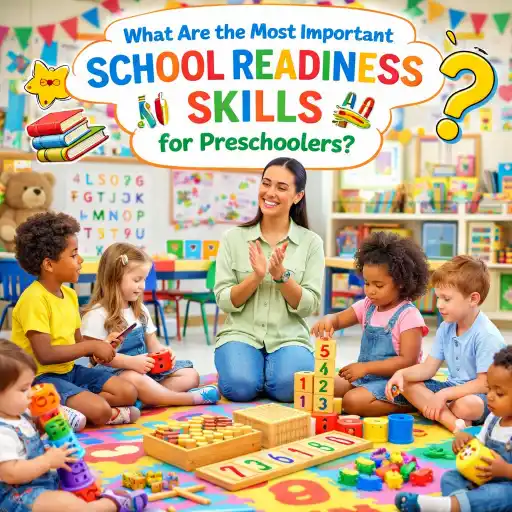
Here are the main skill groups that set children up for a good start in kindergarten. Each group matters for learning and for getting along in a classroom.
- Language and early literacy
- Hearing and using words, telling a short story, and joining in songs build #language and later reading skills. For ideas, see ChildCareEd on language and the CDC milestones.
- Thinking and early math
- Counting, sorting, comparing sizes, and solving simple puzzles help thinking and number sense. A review of predictors for literacy and math backs this up: Predictors of School Readiness.
- Social-emotional skills
- Waiting a turn, managing feelings, and following simple group directions matter a lot for classroom learning. See resources on social-emotional learning like CSEFEL.
- Independence and self-help
- Using the toilet, opening snack containers, dressing, and cleaning up show #routines and independence that reduce stress at school. ChildCareEd provides checklists and family guides such as What should parents include on a kindergarten readiness checklist?.
- Motor and attention skills
- Holding a crayon, cutting with scissors, and sitting for a short circle time are helpful. These skills support classroom tasks and learning.
Five focus words to keep in mind: #school #readiness #preschoolers #language #routines
How can teachers build these skills in daily classroom routines?
Teachers can use short, clear steps that fit the day. Small practices done often add up fast. Here are practical ways to build each skill group during normal routines.
- Language and literacy moments
- 📚 Read aloud every day. Pause and ask one question. Label pictures and toys. Use favorite books more than once so words stick.
- 🎵 Sing short songs and say rhymes to help children hear sounds in words.
- Math and thinking in play
- 🧩 Offer counting games during snack (count crackers), sort blocks by color, and play matching games in centers.
- Social-emotional and transitions
- 🛎 Use visual cues and short warnings ("Two minutes until clean-up") and praise children who follow steps. CSEFEL tips on transitions are helpful: Helping Children Make Transitions.
- Independence practice
- 🔧 Set up self-help stations: zippers, snack bins, and labeled hooks. Let children try first, then gently assist.
- Use a play-based curriculum and trained staff
Quick tip for teachers: pick 1 small routine this week (for example, a 5-minute read-aloud or a one-minute counting moment at snack). Share that activity with families so practice happens both at school and home. For concrete, classroom-tested examples and short stories you can share with families, see The Family Day Care Chronicles, which collects real day care moments that illustrate how small routines build learning. State requirements vary - check your state licensing agency.
How can we partner with families and track progress?
Partnerships with families make learning stronger. Families know the child best. Use simple communication and clear suggestions that fit each family's day.
- Share a one-page checklist
- 📄 Give families a short checklist of skills (talking, counting, dressing). ChildCareEd offers ready-to-share checklists like this one. Keep it short and positive.
- Give home ideas that take 1–10 minutes
- 📘 Example: Read one page at bedtime, count steps to the car, or practice zipping a coat during the morning. For more family guides see How can child care providers boost school readiness.
- Watch milestones and act early
- 🔍 Use observations, short notes, and milestone checklists. If a child is not progressing, suggest screening and refer to the child’s doctor or local early intervention. The CDC’s milestone tools are useful: CDC Milestones.
- Document and celebrate progress
- 🎉 Keep brief weekly notes, take photos of play, and share monthly highlights with families. Small wins build trust and motivation.
- Be respectful and practical
- 🤝 Ask families what works for them. Honor home languages and routines. Offer ideas that need little prep and can fit busy days.
What common mistakes should we avoid and how can we track results?
Even with good intentions, programs make mistakes. Here are common pitfalls and easy fixes to keep practice effective and fair.
- Overemphasizing drills
- ⚠️ Mistake: Turning preschool into repeated worksheets and drills. Fix: Use play and meaningful routines. Research warns that too much formal drill can reduce long-term gains; see ChildCareEd review.
- Not talking enough with children
- ⚠️ Mistake: Adults do tasks and miss talking with children. Fix: Narrate actions, ask open questions, and follow the child's lead in play.
- Waiting too long to act on concerns
- ⚠️ Mistake: Delaying screening or family talks. Fix: Use short screenings, start conversations early, and document what you see. CDC advice is clear: act early when concerned (CDC).
- Poor tracking practices
- ✔ How to track: 1) Pick 2–3 simple targets (e.g., new words, buttoning), 2) Record short notes weekly, 3) Share highlights with families monthly, 4) Refer if progress stalls. ChildCareEd and program guides offer templates for this approach.
- Using one-size-fits-all activities
- ✔ Fix: Differentiate by skill. Offer shorter steps, visuals, or a home-language option as needed. The participatory research on assessments reminds us to match tools to children and communities.
Tracking is simple and low-cost when you keep notes, photos, and one-page checklists. If you need more tools or training for staff, ChildCareEd offers courses and resources to help boost classroom practice and family engagement (see ChildCareEd catalog).
Conclusion
School readiness is a mix of talk, play, self-help, and calm routines. As providers you can make a big difference with short daily practices, strong family partnerships, and simple tracking. Start with one routine to add this week, share one short tip with every family, and celebrate small wins. For checklists and family handouts, see ChildCareEd resources like the checklist article and training like How can child care providers boost school readiness. Remember: state requirements vary - check your state licensing agency.
FAQ
- Q: How much reading do preschoolers need? A: 5–15 minutes daily of interactive reading helps a lot.
- Q: When should I suggest screening? A: If a child is not meeting several age milestones or loses skills, talk with the family and suggest screening.
- Q: Does playing help learning? A: Yes. Play builds language, thinking, and social skills—more than only formal drills.
- Q: How do I involve families who are busy? A: Offer tiny ideas (one song, one page, one counting moment) that fit their day.
Thank you for the work you do. Small, steady steps help each child build the skills they need for a strong start in school.
- 45 Hour Child Growth and Development
- 45 Hour Preschool Methods and Materials
- CDA Bridge Bundle: Preschool
- 45 Hour School Age Methods and Materials
- CDA Bridge Bundle: Family Child Care without Portfolio Review
- CDA Bridge Bundle: Infant/Toddler without Portfolio Review
- CDA Bridge Bundle: Preschool without Portfolio Review
- Texas Director Credential
- Child Care Professionals
- CDA Certification en Español: Recursos y Consejos para Educadores Bilingües
- Ready, Set, Kindergarten!
- Proporciones de Cuidado Infantil y Tamaños de Grupo por Edad en Maryland (Guía Rápida para Centros y Hogares)
- Actividades de Otoño Fáciles para Preescolares esta Temporada
- Ejemplos de Crianza Respetuosa vs. Crianza Permisiva
- How can we prepare preschoolers for kindergarten success?
- Celebrando la amistad en el cuidado infantil durante el Día de los Mejores Amigos
- What are the most important school readiness skills for preschoolers?
- What skills do preschoolers need to be ready for school?
- Why Does Self-Regulation Matter More Than ABCs for Minnesota Kindergarten Readiness?
- How Does Guided Play Build School-Ready Skills in New York Preschoolers?
- How can child care providers best support children during the transition to middle school?
- Is Your Child Ready for Kindergarten? A Kindergarten Readiness Checklist
- Is My Preschooler Ready for Kindergarten? Milestones Beyond ABCs and 123s
- How Can Child Care Providers Support Healthy Brain Development in Young Children?
- How Can Child Care Programs Build Meaningful School Readiness?
- Why Are Coping Skills Important for Preschoolers?
- What Should a 4-Year-Old Know Before Pre-K?
