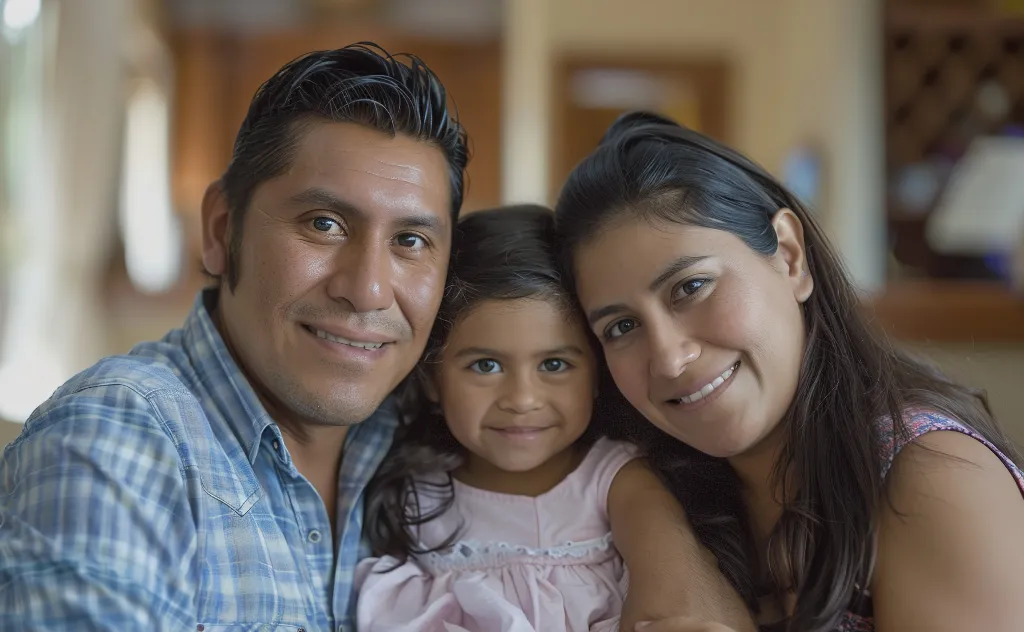
 Children carry their home world into your #classroom. Culture shapes how they play, talk, learn, and feel. This article helps child care providers and directors see ten clear examples of culture at work. You will find simple ideas you can use today to make your room more welcoming. The goal is practical: support every child and partner with families to help children grow. #culture #children #development #families #inclusion
What are 10 clear examples of cultural influences on child development?
Here are ten easy-to-see examples. Read them and think about children you know. Each example includes a short note about what it can mean in your #program.
- 🎨 Family routines and daily habits — How families eat, sleep, and greet each other affects children’s routines and comfort in care. See ideas for honoring routines in How Can Culture Affect A Child’s Development?.
- 📚 Language at home — The home language shapes thinking and learning. Bilingual children bring strengths; label your room in home languages when you can (Culturally Responsive Teaching).
- 🎶 Songs, stories and play — Music and play from home build identity and help children share culture with peers (Cultures in the Classroom).
- 👪 Family structure and roles — Some cultures emphasize extended family and helping chores. That shapes social skills and expectations about who helps at home.
- 🏫 Expectations for independence — Some families teach self-help early; others emphasize group care and cooperation. Both are strengths for learning and behavior.
- 🧕 Clothing and customs — Dress, food, and holiday customs give children pride and can be included respectfully in activities (One World, Many Cultures! Buy Now $25.00).
- 💬 Communication style — Direct speech or quiet listening varies by culture. This changes how children ask for help or join group time.
- ⚖️ Beliefs about discipline and guidance — Cultural values shape how families teach rules and solve problems. Talk with families to align approaches.
- 📺 Media and representation — TV, books, and toys that reflect children’s culture help identity and learning. Add diverse books and mirrors of home life (Culturally Sensitive Classrooms).
- 🌍 Views of learning and play — Some cultures value formal early teaching; others learn by helping and observing adults. Use both styles in play and planning (From Play to Planning
 Buy Now $55.00).
Why do these cultural influences matter for child care programs?
Children learn best when they feel safe and seen. Culture affects a child’s identity, language, and behavior. When your program recognizes home ways, children join in more quickly and show better behavior and learning.
Three quick reasons to act:
- First, belonging improves learning. When children see their lives reflected in the room, they relax and try new things.
- Second, strong family partnerships give you key information. Families are the experts on their child.
- Third, inclusive practice supports equitable outcomes. Programs that welcome diversity help children from all backgrounds grow.
For support and staff training, ChildCareEd offers courses like Strength in Differences Buy Now $24.00 and From Play to Planning Buy Now $55.00.
How can child care providers support cultural diversity and inclusion day to day?
Use small steps that make big differences. Below are practical actions you can try this week. Each idea helps children and families feel respected.
- 📸 Display family photos and labels in home languages. Ask families for one photo and a simple word (hello, family member, favorite food).
- 📚 Add books and props that reflect the children in your room. Rotate materials so all cultures appear often (Culturally Sensitive Classrooms).
- 🤝 Invite families to share a song, story, or recipe. Make it optional and simple—short sharings work well.
- 🧩 Plan activities that honor different learning styles: hands-on, storytelling, group work, and quiet observation.
- 🎓 Offer staff time for reflection and training. Courses like Strength in Differences Buy Now $24.00 and One World, Many Cultures! Buy Now $25.00 give practical tips.
Remember: small changes—labels, one shared song, one photo—grow into big trust. Use family voices to plan and adjust activities.
What common mistakes should we avoid and how do we check our work?
Common mistakes often come from good intentions done once a year or from assumptions. Here’s how to avoid pitfalls and keep improving.
- ❌ Mistake 1: Treating culture as a single event ("Culture Day"). Instead, weave culture into daily routines and books.
- ❌ Mistake 2: Assuming all families from one place act the same. Ask and listen; each family is unique.
- ❌ Mistake 3: Using only the program language. Support home languages with labels and gestures.
- ✅ How to check your work:
- Monthly self-check: Do room materials show multiple cultures? Do children hear their names said correctly?
- Family feedback: Ask one family each month two short questions about what helps their child feel welcome.
- Staff reflection: Have a quick 20-minute team meeting to share one win and one next step.
- ⚠️ Note: state requirements vary - check your state licensing agency when you change routines, staff training, or family policies.
Conclusion
Cultural influences show up in ten everyday ways: routines, language, play, family roles, and more. When you notice and use these strengths, children feel safer and learn more. Start small: add one label, one family photo, or one song. Use ChildCareEd resources like How Can Culture Affect A Child’s Development? and Cultures in the Classroom for ideas and training.
FAQ
Q: How do I start if I don’t speak the child’s home language?
A: Use pictures, learn a few greeting words, ask families for key words, and use labels. Small steps help.
Q: What if a family does not want to share cultural practices?
A: Respect boundaries. Offer other ways to include the child (books, food preferences, stories).
Q: How often should we check our cultural responsiveness?
A: Monthly quick checks and one staff training each year is a good start.
Q: Where can staff get training?
A: ChildCareEd courses like Strength in Differences Buy Now $24.00 and From Play to Planning Buy Now $55.00 are helpful.
- 45 Hour Child Growth and Development
- Roots & Resilience: Understanding What Shapes a Child
- Creating Environments that Nurture Growth and Community
- Texas Director Credential
- Cultures in the Classroom
- Montessori Cultural Activities: Exploring the World Through Play and Learning
- CDA Home Visitor Subject Area 8 Part 3 Birth to 5
- CDA Home Visitor Subject Area 8 Part 2 Birth to 5
- CDA Home Visitor Subject Area 8 Part 1 Birth to 5
- CDA Certification en Español: Recursos y Consejos para Educadores Bilingües
- 🥦✨ ¿Cómo apoyar a los niños selectivos a probar nuevos alimentos sin presión?
- ⏰📘 ¿Cuáles son los requisitos de capacitación anual en el cuidado infantil en Dakota del Norte?
- 📊¿Cómo puedo hacer un seguimiento de la capacitación de mi personal en GAPDS como proveedor?✨
- 🍑 ¿Qué capacitación requiere DECAL cada año para el personal de cuidado infantil en Georgia?
- 📚 ¿Qué capacitaciones se requieren para el personal de cuidado infantil en California?
- 10 Ejemplos de Cómo la Cultura Influye en el Desarrollo Infantil
- Normas de Licenciamiento de Cuidado Infantil en Virginia para Centros Diurnos Infantiles y Hogares Diurnos Familiares
- Proporciones de Cuidado Infantil y Tamaños de Grupo por Edad en Maryland (Guía Rápida para Centros y Hogares)
- Proporciones de Cuidado Infantil y Tamaños de Grupo por Edad en Virginia (Guía Rápida para Centros y Hogares)
- Horas de Capacitación Anual para Proveedores de Cuidado Infantil en Maryland
- Las Mejores Ideas de Excursiones para Guarderías en Texas
- How can New York childcare workers help children build a strong sense of identity in a big city?
- Cultural Influences on Child Development: Examples for Families
- How Culture Shapes a Child’s Holistic Development
- How Family Background Influences Babies’ and Children’s Development
- What Cultural Differences Can Be Mistaken for Behavior Problems in Child Care?
- From Mealtime to Manners: How Cultural Influences Show Up in Everyday Child Care
- How Can Child Care Providers Support Infant Development?
- How Can Child Care Providers Help Families See the Learning Hidden Inside Messy Play?
