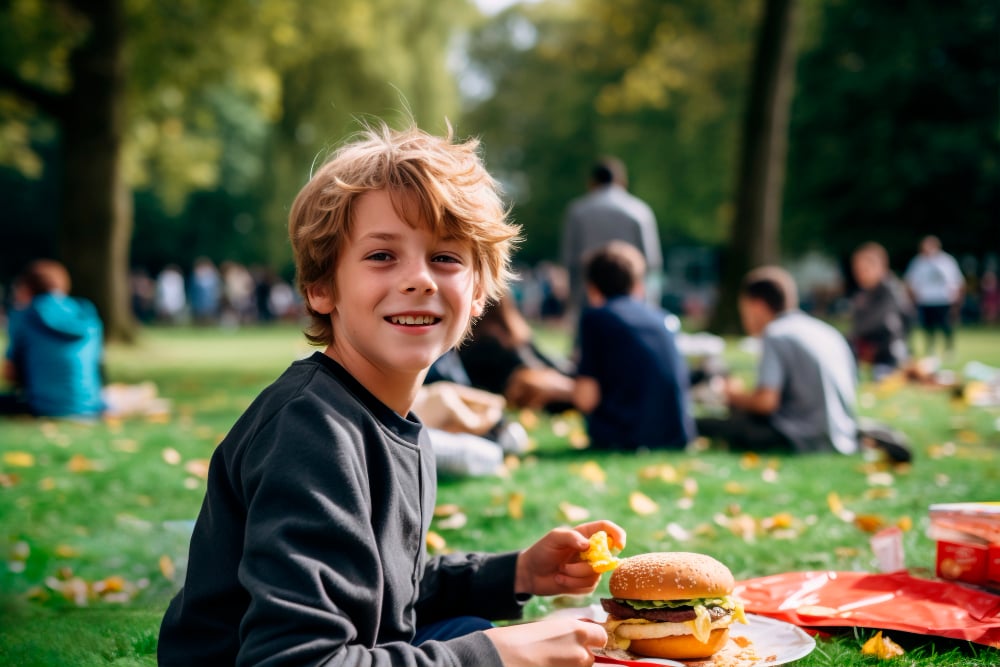
 Recent research has illuminated a promising solution that lies beyond the dinner table: active #play.
By exploring how playtime can create a positive environment for food exploration, ChildCareEd aims to equip #parents and caregivers with effective strategies to transform mealtime struggles into enjoyable experiences.  Buy Now $24.00
Active Play and Eating Habits
The relationship between active play and children's eating habits can be understood through several key points:
-
Increased Exposure to New Foods: Active play often involves social interactions and shared experiences, creating a positive environment for trying new foods. Children who engage in active play are more likely to be open to tasting unfamiliar foods
Buy Now $10.00, as they associate these experiences with fun and enjoyment. -
Enhanced Appetite: Physical activity stimulates appetite, making children more likely to eat and try new foods after engaging in play. When children are active, their bodies require more energy, which can #lead to a greater willingness to consume a variety of foods.
-
Modeling Behavior: During active play, children often observe their peers and caregivers. When they see others trying new foods, they may be more inclined to follow suit. This modeling effect can be particularly powerful in group settings, such as #playgrounds or during organized sports.
-
Reduction of Food Neophobia: Active play can help reduce food neophobia, which is the fear of trying new foods. Engaging in physical activities can boost children's confidence and willingness to explore, both in play and at the dinner table.
-
Positive Associations with Food: When children are encouraged to play with food in a non-pressured environment—such as through cooking activities or #sensory-play
Buy Now $10.00—they can #develop a more positive relationship with food. This can lead to increased acceptance of various food types, including fruits and vegetables. -
Family Involvement: Active play often includes family participation, fostering a supportive environment for #healthy-eating. Family meals that follow active play can be more enjoyable and less #stressful, encouraging children to try new foods without the pressure of traditional mealtime expectations.
Buy Now $24.00
References
- https://www.nationwidechildrens.org/family-resources-education/700childrens/2018/06/picky-eating
- https://www.ncbi.nlm.nih.gov/pmc/articles/PMC9824123/
- https://pmc.ncbi.nlm.nih.gov/articles/PMC6398579/
- https://health.clevelandclinic.org/how-to-overcome-your-childs-picky-eating-habits
Role of Active Play in Eating Habits
The relationship between active play and eating habits can be understood through several key points:
-
Increased Appetite: Physical activity stimulates energy expenditure, leading to a natural increase in hunger. Children who regularly engage in active play are more likely to feel hungry at mealtimes, making them more inclined to eat and try new foods.
-
Exploration and Curiosity: Active play often involves social interactions and novel experiences, fostering a sense of curiosity
Buy Now $10.00. This curiosity can extend to food, encouraging children to experiment with different tastes and textures, Buy Now $24.00 thereby reducing pickiness. -
Positive Associations: When children associate mealtime with the positive feelings generated from active play, they may develop a more favorable attitude towards eating. Family meals that follow a fun day of play can reinforce this positive connection, making mealtimes more enjoyable.
-
Modeling Behavior: Children learn by observing their parents and caregivers. When adults engage in active play and demonstrate #healthy-eating habits, children are more likely to mimic these behaviors. This modeling can help instill a balanced approach to food and physical activity.
-
Social Influence: Group play often involves sharing snacks or meals, which can normalize trying new foods
Buy Now $10.00. Children may be more willing to taste unfamiliar foods when they see their peers enjoying them, creating a supportive environment for culinary exploration. -
Routine Establishment: Incorporating active play into daily routines can help establish a balanced lifestyle. Regularly scheduled playtime can create a natural rhythm that includes mealtimes, making children more receptive to eating a variety of foods.
References
Encouraging Food Exploration
Here are some effective techniques to encourage food exploration:
-
Model Positive Eating Behaviors: Children are keen observers and often mimic their parents' actions. By demonstrating a willingness to try new foods and enjoying a variety of dishes, parents can set a positive example that encourages their children to do the same.
-
Create a Variety of Options: During meals or snacks, offer a selection of 2-3 different foods. Include at least one familiar item that the child enjoys, alongside new or less familiar options
Buy Now $24.00. This approach can make trying new foods feel less intimidating and more like a choice rather than a chore. -
Incorporate Playful Elements: Use creative presentations or fun names for new foods to pique children's interest. For example, calling broccoli "dinosaur trees" or arranging fruits and vegetables into fun shapes can make them more appealing and exciting to try.
-
Encourage Family Meals: Eating together as a family fosters a supportive atmosphere where children feel more comfortable trying new foods. Family meals also provide opportunities for positive conversations about food, making the experience more enjoyable.
-
Praise Efforts, Not Just Outcomes: When children try a new food, offer praise regardless of whether they liked it or not. Simple affirmations like "Thanks for trying that!" can reinforce their willingness to explore and reduce anxiety around new foods.
-
Avoid Pressure and Battles: Creating a no-pressure environment is crucial. Forcing children to eat certain foods can lead to negative associations. Instead, encourage them gently and respect their choices, allowing them to explore at their own pace.
-
Make it a Game: Turn food exploration into a fun activity
Buy Now $10.00. For instance, you could have a "taste test" night where everyone tries a new food and rates it. This can make the experience enjoyable and less stressful, transforming food exploration into a family bonding activity. -
Educate About Food: Teach children about the origins of different foods, their nutritional benefits, and how they are prepared. This knowledge can spark curiosity and interest in trying new items, making them feel more connected to what they eat.
-
Be Patient and Consistent: Food preferences can take time to develop. Consistently offering new foods without pressure can gradually help children become more open to trying them. Remember that persistence is key, and every small step counts.
References
- Families
- Observation
- Child Development
- Mental Health
- Website Articles
- Health, safety and nutrition
- Curriculum and Environment
- Professionalism
- Child development
- Community and Family
- Montessori
- CDA
- Child Guidance
- Observation and Assessment
- Health, safety and nutrition
- Curriculum
- Child development
- Community
- Infant/ Toddler Educators
- Preschool Educators
- School-Age Providers
- Family Child Care Providers
- Health and Safety
- Content Areas
- Social/Emotional
- Balancing Physically Active Play in Child Care
- Positive Attention: Interactions and Supervision of Infants and Toddlers: For Workforce Solutions
- Active Supervision: A Strategy That Works: For Workforce Solutions
- Play Safe, Think Big: Literacy Through Play
- Effective Supervision in Child Care: For Workforce Solutions
- Texas Director Credential
- Wellness in Action: Teaching Healthy Habits to Children
- Balancing Active Play in Child Care
- Montessori Cultural Activities: Exploring the World Through Play and Learning
- Every Moment Matters: Schedules and Transitions
- Healthy Cooking for Picky Kids
- National Eat Your Vegetables Day June 17
- Ohio Healthy Programs (OHP)
- National Nutrition Month #HealthConscious #LivingHealth
- Eat, Play, Grow: Essential Nutritional Tips for Growing Minds
- Snack Attack! The Best Brain Foods for Growing Minds
- 🥦✨ ¿Cómo apoyar a los niños selectivos a probar nuevos alimentos sin presión?
- How can child care programs teach great nutrition and healthy eating habits?
- How can preschool programs build healthy eating habits for young children?
- How Can New York Childcare Providers Prevent Childhood Obesity with Better Nutrition?
- How can New York childcare providers help picky eaters in daycare?
- How can Michigan daycares teach healthy eating habits to toddlers?
- How can child care programs promote nutrition and healthy eating habits?
- How Can Early Childhood Programs Encourage Healthy Habits?
- How can Michigan child care programs introduce new foods and prevent picky eating?
- What Healthy Snack Ideas Will Kids Actually Love?
- How can child care programs handle picky eaters without mealtime battles?
- How can child care providers support children with feeding difficulties?
- How can child care programs build healthy eating habits that last?
