Dietary choices in early childhood exert measurable effects on attention, executive function, and memory consolidation. Child care professionals should operationalize current nutrition science into classroom practice; see Health and Nutrition  Buy Now $24.00 and Nutrition Essentials for Child Care Providers Buy Now $16.00 for evidence-informed trainings and readily deployable classroom tools. This article synthesizes evidence on nutrient-dense "brain foods"—snack and meal strategies that support sustained attention, mood regulation, and memory formation.
Which foods support brain development and concentration?
Here are some of the top brain-boosting foods to consider:
-
Fatty Fish:
- A prime source of omega-3 fatty acids, which are vital for building brain and nerve cells.
- Varieties include salmon, trout, sardines, and mackerel.
- Omega-3s are linked to slowing age-related mental decline and reducing the risk of Alzheimer’s disease.
-
Blueberries:
- Rich in antioxidants that combat oxidative stress and inflammation.
- Studies suggest they may improve communication between brain cells and delay brain aging.
-
Turmeric:
- Contains curcumin, a compound with powerful anti-inflammatory and antioxidant properties.
- Research indicates it may enhance memory and alleviate symptoms of depression.
-
Broccoli:
- High in vitamin K, essential for forming sphingolipids in brain cells.
- Contains compounds that provide antioxidant effects and may protect against cognitive decline.
-
Pumpkin Seeds:
- Packed with magnesium, iron, zinc, and copper, all crucial for brain health.
- Antioxidants in pumpkin seeds may protect the brain from free-radical damage.
-
Dark Chocolate:
- Contains flavonoids that may enhance memory and improve mood.
- The caffeine and antioxidants in dark chocolate can also boost brain function.
-
Nuts:
- Particularly walnuts, which are high in DHA, a type of omega-3 fatty acid known to support cognitive function.
- Nuts are also rich in vitamin E, which protects against mental decline.
-
Oranges:
- High in vitamin C, which is linked to improved cognitive function and may protect against age-related decline.
- Antioxidants in oranges help reduce #free-radical damage to brain cells.
-
Eggs:
- A good source of several nutrients tied to brain health, including B vitamins and choline.
- Choline is essential for producing acetylcholine, a neurotransmitter that regulates mood and memory.
-
Green Tea:
- Contains caffeine and L-theanine, which can enhance brain function and promote relaxation.
- Rich in antioxidants that may protect the brain from mental decline Buy Now $24.00.
References
- Foods that help boost your brain — CBC
- 6 Everyday Foods That Could Be Hurting Your Brain Health — Yahoo
How can educators foster healthy eating habits in children?
To foster healthy-eating habits in children, implement strategies that engage learners, scaffold choice, and integrate nutrition education into daily routines. Consider the following evidence-informed approaches: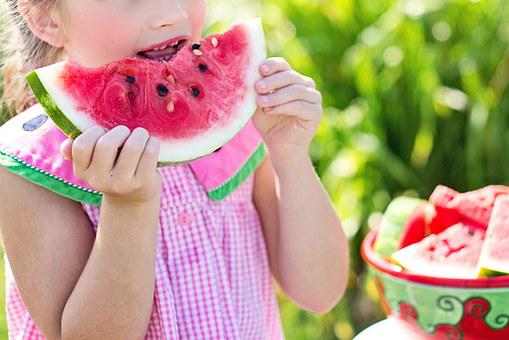
-
Involve Children in Meal Planning: Encourage kids to participate in selecting and preparing meals. This involvement can increase their interest in healthy foods and make them more likely to try new things. See How can child care programs teach great nutrition and healthy eating habits? for activity ideas and lesson scaffolds.
-
Create a Balanced Plate: Aim for a variety of food groups at each meal. Include fruits, vegetables, whole grains, lean proteins, and healthy fats to ensure they receive a wide range of nutrients. Practical menu templates are available in Eat, Play, Grow: Essential Nutritional Tips for Growing Minds.
-
Offer Healthy Snacks: Stock up on nutritious snacks such as fruits, vegetables, nuts, and yogurt. Having these options readily available can help children make better choices when hunger strikes. See Snack Ideas for Daycare for safe, child-friendly options.
-
Set a Good Example: Children often mimic the behaviors of adults. By demonstrating healthy eating habits yourself, you can encourage them to adopt similar practices. Classroom strategies and staff guidance are discussed in How can child care programs handle picky eaters without mealtime battles?
-
Establish Regular Meal Times: Establishing predictable meal and snack schedules helps regulate appetite, reduces the risk of overeating, and fosters routines that support children's emotional security and physiological regulation.
-
Limit Sugary and Processed Foods: While occasional treats are fine, try to minimize the intake of sugary snacks and processed foods. These can lead to energy crashes and negatively impact concentration and mood.
-
Educate About Nutrition: Teach children about the benefits of different foods and how they contribute to their health and brain
Buy Now $24.00 function. Understanding the "why" behind healthy eating can motivate them to make better choices. Use the hands-on activities in What Healthy Snack Ideas Will Kids Actually Love? to make lessons practical. For seasonal discussions with families, see guidance on healthy holiday eating habits for ideas that extend nutrition education to holiday meals. -
Make Meals Fun: Get creative with food presentation. Use colorful fruits and vegetables to create visually appealing plates, or involve kids in making fun shapes with their food. Simple classroom cooking ideas are available in How Can Simple Cooking Activities Teach Skills?
-
Encourage Hydration: Remind children to drink plenty of water throughout the day. Staying hydrated is essential for maintaining energy levels and cognitive function.
-
Be Patient and Persistent: Developing healthy eating habits is gradual; staff should maintain a low-pressure approach that provides repeated, varied exposures to new foods so children can gradually accept and incorporate them into their preferences.
What cognitive and developmental benefits do healthy snacks provide?
The nutritional benefits of snacks for children include:
-
Brain-Boosting Nutrients: Many snacks are rich in vitamins and minerals that are crucial for brain health. For instance, omega-3 fatty acids found in nuts and seeds are known to enhance cognitive function and memory
Buy Now $24.00. Additionally, B vitamins are essential for energy production and overall brain health. -
Sustained Energy Supply: Healthy snacks provide a consistent source of energy, which is essential for maintaining focus and stamina throughout the day. Complex carbohydrates found in whole grains, fruits, and vegetables release energy gradually, helping to prevent energy crashes that can disrupt concentration.
-
Mood and Behavioral Improvement: Nutrient-dense snacks can positively influence mood and behavior.
Buy Now $24.00 Foods high in antioxidants, such as berries and dark chocolate, help reduce oxidative stress and inflammation, leading to better emotional regulation and a more positive outlook. -
Enhanced Memory and Learning: Certain snacks, particularly those rich in antioxidants and healthy fats, have been associated with improved memory and learning capabilities. For example, flavonoids found in dark chocolate and blueberries may enhance cognitive performance and support memory retention.
-
Balanced Nutrition: Offering a variety of snacks ensures that children receive a well-rounded intake of essential nutrients. This includes proteins, healthy fats, vitamins, and minerals that contribute to overall health and cognitive development
Buy Now $24.00, laying a strong foundation for lifelong learning. -
Promotion of Healthy Habits: Providing nutritious snacks encourages children to develop healthy eating habits from an early age. This can lead to better food choices as they grow older, promoting lifelong #health-and wellness.
What are the key takeaways for applying brain-boosting nutrition in early childhood settings?
Implement evidence-informed, food-first strategies to render brain-supportive nutrition feasible in early childhood settings. Prioritize predictable meal and snack schedules, transparent family communication about menus and allergies, and incremental menu modifications that elevate omega‑3s, bioavailable iron, whole grains, and a diversity of fruits and vegetables. Integrate these changes into pedagogical routines—tasting activities, guided snack-time discussions, and staff modeling—to reinforce learning and normalize healthful choices. Monitor implementation with a concise weekly menu update for families and a single measurable program target (for example: two fruit servings plus one iron-rich option per child daily) to assess fidelity and preliminary outcomes.
What immediate steps should programs take next?
Start with one pragmatic, measurable change: substitute a regular weekly snack with a high‑DHA or iron-rich option, document the change on your family menu, and conduct a single classroom tasting activity. After four weeks, review participation, solicit family feedback, and refine the approach. These incremental steps create implementation momentum and enable programs to evaluate impacts on attention, mood regulation, and memory-supportive nutrition.
- Health, safety and nutrition
- Curriculum
- Professionalism
- Child development
- Community
- Website Articles
- Mental Health
- Diversity, Equity, Inclusion
- Family Child Care Providers
- CDA
- Child development
- Infant/ Toddler Educators
- Curriculum and Environment
- Health, safety and nutrition
- Families
- Social/Emotional
- Health and Safety
- Child Development
- National Nutrition Month #HealthConscious #LivingHealth
- Tummy Time Travelers: How to Send Your Kid’s Gut on a Yummy Health Journey
- Eat, Play, Grow: Essential Nutritional Tips for Growing Minds
- Snack Attack! The Best Brain Foods for Growing Minds
- Cocoa, Cookies, and Cognitive Development: The Holiday Nutrition Guide for Little Learners
- CDA Certification en Español: Recursos y Consejos para Educadores Bilingües
- 🌙 ¿Cómo afecta el tiempo frente a las pantallas el sueño y el comportamiento infantil? 😴
- How does nutrition help early brain development in childcare?
- Menos Estrés a la Hora de Comer: Rutinas Simples Que Sí Funcionan
- ¿Cómo afecta la dopamina a los niños: señales, efectos e influencias diarias?
- Reglas de Cuidado Infantil en Dakota del Norte
- Lista para Abrir una Guardería en Casa en Dakota del Norte: Cómo Empezar
- Temas y Actividades para el Día Nacional del Kindergarten para Proveedores
- Retraso del Habla en la Guardería: Cómo Pueden Ayudar los Proveedores
- Cómo Ser Maestra de Preescolar en Dakota del Norte
- Capacitación Previa al Servicio para Proveedores de Cuidado Infantil en Dakota del Norte
- Celebrando la amistad en el cuidado infantil durante el Día de los Mejores Amigos
- Canciones, juegos y preguntas de círculo para niños
- Snack Ideas for Daycare: Healthy Options Children Will Enjoy
- Snack Time in Daycare: Healthy Foods and Safety Tips
