Every day in your program is a chance to teach small skills that grow into big habits. This article shares simple, practical steps child care directors and providers can use to help young children build lifelong healthy routines. You will find easy classroom ideas, ways to partner with families, tips to measure success, and common mistakes to avoid. We focus on play, food, sleep, hygiene, and feelings — the building blocks of a healthy day for little ones. For program-level guidance on feeding practices, portion sizes, and age-appropriate strategies to promote healthy eating, see Nutrition in Early Childhood. Across the article you’ll see links to helpful ChildCareEd resources for quick tools and trainings.
Why this matters: healthy habits support strong brains, calm classrooms, and better learning. When teachers model routines and children practice them, those routines become part of a child’s life. For more ideas about nutrition and classroom routines, see How to Promote Healthy Eating Habits in Young Children and How Can You Inspire Lifelong Healthy Habits in Young Children?.
Top tags in this article: supporting #healthy routines for #children, using simple classroom #nutrition lessons, adding active #play, and working with #families.
Why do healthy habits matter in early childhood programs?
1. Healthy habits help children learn better. Good nutrition, sleep, and movement improve focus, memory, and mood. The CDC explains how early eating and activity shape growth and learning; see Good Nutrition Starts Early.
2. Habits built early often last. Small routines now — washing hands, tasting new foods, running and resting — become patterns that carry into school and home. ChildCareEd’s courses on Healthy Habits from the Start  Buy Now $24.00 and Wellness in Action Buy Now $55.00 show practical steps programs can teach every day.
3. Programs can reduce illness and stress. Handwashing, cleaning, and predictable routines lower germs and worries — see CDC guidance on hand hygiene at About Hand Hygiene in Schools and ECE Settings.
4. Why it matters to your team: Healthy classrooms are calmer and easier to staff. When children sleep well, eat well, and play, you see fewer meltdowns and more learning. For program supports and tools, ChildCareEd has many free resources like menu planners and growth charts (see Meal/Menu Planner Buy Now $0.00 and Growth Chart Buy Now $0.00).
What daily routines and activities teach healthy habits?
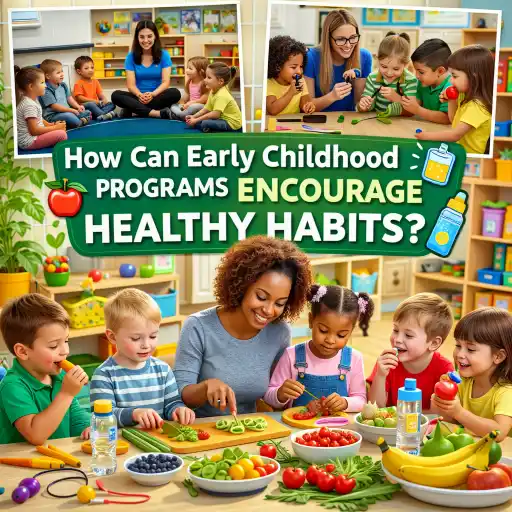
Use short steps and repeat them every day. Numbered routines help staff and children remember what comes next.
- 🍎 Morning habits (3 steps): 1) Greet each child by name, 2) brief handwashing, 3) a healthy snack or water time. Model choices and use simple language from How to Promote Healthy Eating Habits in Young Children.
- 🏃 Active play (2–3 times/day): Provide inside and outdoor movement. See CDC high-impact standards on physical activity at HIOPS for Physical Activity and ChildCareEd’s Balancing Physically Active Play Buy Now $25.00. For an overview of how physical activity and nutrition work together to support healthy habits in early childhood settings, see Physical Activity and Nutrition.
- 🧼 Hygiene moments: Use songs to make 20-second handwashing fun. Keep sanitizer for staff use and supervised time for kids (see CDC hand hygiene guidance).
- 😴 Rest and sleep: Schedule quiet time after lunch and use calming books or soft music. ChildCareEd resources on safe sleep and routines are helpful for infants and toddlers.
- 🧑🍳 Food and cooking: Try no-cook projects like fruit kebabs or taste-tests. ChildCareEd’s Wellness in Action Buy Now $55.00 offers classroom-friendly cooking ideas. For seasonal, child-friendly crafts and healthy cooking ideas to celebrate summer and Memorial Day, see Kick-off Summer!
Common mistakes and how to avoid them:
- ❌ Too many new routines at once. Fix: Introduce 1 routine per week.
- ❌ Forcing food. Fix: Offer low-pressure tastes and celebrate trying, not finishing.
- ❌ Skipping family communication. Fix: Send one-line updates and quick take-home activities (see Engage Families in Nutrition).
How can programs engage families and community partners?
1. Start small and clear. Send a one-sentence note or text that says the week’s idea and one way families can try it at home. ChildCareEd’s guide How Can Child Care Programs Engage Families in Nutrition and Health Education? gives ready-to-use messages.
2. Offer three simple ways families can join (pick one):
- 📸 Photo share: Ask families to send one meal photo.
- 📋 Quick tip: A one-question poll about favorite foods.
- 👩🍳 Recipe swap: Collect one family favorite and share a few each month.
3. Partner with local health groups. The CDC recommends working with SNAP-Ed, local health departments, and CACFP to expand reach; see Strategies for Early Care and Education. Nemours and other partners offer workshops and Family Cafés to bring families together (Nemours Early Care & Education).
4. Safety and rules: Before sharing food or hosting family events, update allergy forms and check policies. Remember: state requirements vary - check your state licensing agency.
How do we measure success and avoid common pitfalls?
Measure small, meaningful steps. Use numbers you can track weekly or monthly.
- 📊 Track 3 things: 1) Number of families reached, 2) Number of child taste-tests or activity tries, 3) One classroom change (like adding a calm corner).
- ✅ Share wins: Send one-photo success notes (with permission) and praise attempts.
- 🔁 Repeat and adapt: If few families respond, ask them which contact method works best.
Common pitfalls:
- ❌ Long messages. Fix: Send one short idea at a time.
- ❌ Not checking allergies. Fix: Always confirm forms before food events.
- ❌ One-size-fits-all activities. Fix: Offer choices and honor culture and family food rules (see ChildCareEd family engagement resources).
FAQ (quick):
- Q: How often should we send family messages? A: 1–2 short messages per week.
- Q: What if a child is a picky eater? A: Use repeated, low-pressure tastings and play-based food activities (see tips in ChildCareEd resources).
- Q: Where can staff learn more? A: ChildCareEd trainings like Healthy Habits from the Start Buy Now $24.00 and Wellness in Action Buy Now $55.00.
Conclusion
Start with one small change this week: a new handwashing song, a 5-minute active game, or a no-cook snack tasting. Use clear, numbered steps so staff can repeat them with ease. Partner with families using one-line messages and simple take-home activities. Track one or two small outcomes and celebrate the wins. For tools, free handouts, and courses, visit ChildCareEd resources like the Wellness in Action resources and the Healthy Habits from the Start resources. Remember: state requirements vary - check your state licensing agency. You already do important work. Small routines, practiced daily, will help the children in your care grow stronger, kinder, and more confident.
- 45 Hour Child Growth and Development
- CDA Home Visitor Subject Area 3 Part 3 Birth to 5
- Professional Presence in Early Childhood
- Balancing Physically Active Play in Child Care
- Texas Director Credential
- Building a Healthier Tomorrow: Preventing Childhood Obesity
- Wellness in Action: Teaching Healthy Habits to Children
- Balancing Active Play in Child Care
- Healthy Cooking for Picky Kids
- National Eat Your Vegetables Day June 17
- Ohio Healthy Programs (OHP)
- Eat, Play, Grow: Essential Nutritional Tips for Growing Minds
- Snack Attack! The Best Brain Foods for Growing Minds
- Cocoa, Cookies, and Cognitive Development: The Holiday Nutrition Guide for Little Learners
- Kickstart a Healthy Routine for Kids That Actually Sticks Past January
- Pizza or Kale Chips? Kid-Friendly Nutrition Tips to Start the Year Right
- Mental Health for Tiny Elves: Supporting Kids Through Winter Blues
- CDA Certification en Español: Recursos y Consejos para Educadores Bilingües
- How can child care programs teach great nutrition and healthy eating habits?
- How can preschool programs build healthy eating habits for young children?
- How Can New York Childcare Providers Prevent Childhood Obesity with Better Nutrition?
- How can Michigan daycares teach healthy eating habits to toddlers?
- How can child care programs promote nutrition and healthy eating habits?
- How Can Early Childhood Programs Encourage Healthy Habits?
- How Can Child Care Programs Build Healthy Teeth Habits for Young Children?
- How Do Fruits vs. Vegetables Sorting Mats Build Healthy Eating Habits?
- How Can Child Care Providers Build Healthy Habits for Young Children?
- How Can Child Care Providers Teach Healthy Habits Without Focusing on Children’s Weight?
