July Is National Picnic Month!
Summer is an excellent opportunity for early childhood programs to create intentional, curriculum-aligned outdoor experiences. Consider celebrating National Picnic Month with activities that reinforce nutrition, family engagement, observational science, and social-emotional learning. For structured staff development and practical classroom strategies, consider courses such as Healthy Habits From the Start Buy Now $35.00 and Nutrition Essentials for Child Care Providers  Buy Now $16.00, which provide concrete techniques for teaching children about food and health while engaging families.
How can a picnic support nutrition education in early childhood programs?
Use a picnic as a scaffolded learning opportunity to introduce nutrition concepts, sensory exploration, and food literacy. Rather than only providing snacks, design brief, guided experiences that build knowledge and skills: plan a tasting station with small portions of seasonal fruits, invite children to describe color, texture, and taste, and connect those observations to simple nutrition ideas (e.g., "fruits help keep our bodies strong"). Incorporate developmentally appropriate literacy by labeling foods and asking children to sort items into categories (fruits, vegetables, proteins, grains). These activities align with learning goals in physical health, science, and language development and are directly reinforced by trainings such as Wellness in Action: Teaching Healthy Habits to Children Buy Now $55.00, which offers classroom-friendly projects and family engagement strategies.
How can programs use picnics to strengthen family engagement and community?
Inviting families to an evening or weekend picnic builds reciprocal relationships and trust. Structure invitations to include short demonstrations (a guided tasting, a children-led nature walk) so families see curriculum in action. Use sign-up stations for small volunteer tasks (food prep, cleanup, supervising a play area) to encourage participation while keeping responsibilities clear. Share take-home materials that summarize the learning objective and provide simple home activities to extend the experience. For ideas on adapting celebrations and holidays to your program context, see related program guides such as How to Celebrate the Fourth of July in Your Center or Daycare and How to Celebrate National Ice Cream Day in Your Center.
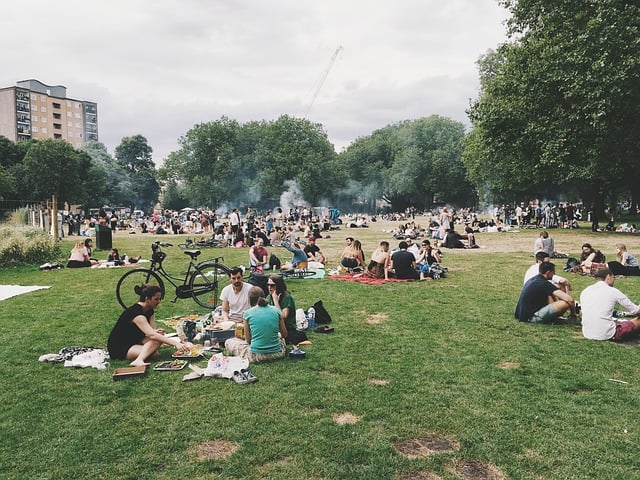
How can outdoor picnics be used to teach observational science and environmental literacy?
Outdoor meals create a natural context for science inquiry. Prompt children to observe insects, plants, and weather conditions: model inquiry with questions such as, "What do you notice about that insect's legs?" or "Where might that snail live?" Use simple data-gathering activities (tally marks for the kinds of insects spotted, or drawing found leaves) to connect observation with recording and classification skills. Where possible, pair these investigations with cross-curricular links: count seeds for math practice, identify colors and textures for language, and explore a food's origin (e.g., where apples grow) to introduce basic ecology concepts. Programs that incorporate food-origin topics may also adapt ideas from How Can Farm-to-Table Experiences Teach Toddlers Where Food Comes From? and from simple kitchen activities described in Can Simple Kitchen Activities Teach Valuable Skills?.
How can staff structure picnics to promote socialization, inclusion, and safety?
Intentional facilitation helps picnics advance social-emotional goals. Design small, mixed-ability seating groups and prepare open-ended prompts that encourage turn-taking and peer support (for example: "Tell one thing you like about today's snack and ask a friend their favorite"). Model and coach problem-solving: if a child cannot open a package, encourage them to ask a peer or an adult for help and praise successful collaboration. To support inclusion, make sure menus consider allergies and cultural food practices and provide equivalent alternatives rather than singling out children. For policies on safe food handling and allergy management, integrate practices from your center's health and nutrition protocols and relevant trainings (for example, Food Preparation and Nutrition or Health and Nutrition courses available through ChildCareEd).
What planning and safety considerations should programs follow for picnics?
Prioritize supervision ratios appropriate for outdoor settings and designate staff roles (gates, restroom line, first-aid lead). Check outdoor surfaces for hazards, set shaded rest areas, and keep a clearly marked cool-down station with water. When packing and transporting food, follow safe storage and temperature-control practices to minimize foodborne illness risk. Practical packing tips—such as choosing sturdy containers, including napkins and hand-wipes, and using seasonal produce—help keep logistics simple and safe; for pragmatic packing guidance see an external picnic-planning reference that summarizes packing and cleanup strategies and seasonal-food suggestions (Pack a Family Picnic for National Picnic Month).
How can programs adapt picnics for different age groups and developmental levels?
Design picnic activities to match the cognitive, motor, language, and social-emotional abilities of the children you serve. Infants and very young toddlers benefit most from short, sensory-rich moments: a supervised blanket area with soft-textured foods for tasting, close adult support for hand-feeding practice, and simple naming of colors or textures. For mobile toddlers and preschoolers, plan small, focused stations (tasting, sorting, bug-observation) that encourage fine-motor practice, vocabulary growth, and simple counting. For school-age children, include more complex roles and responsibilities—rotating small-group leaders for setup, food-preparation demonstrations, and child-led nature surveys that require simple recording or reporting back to the group. Across ages, adjust materials (e.g., adaptive utensils, picture-based choice boards, visual schedules) and staffing ratios to ensure access and safety. Embed brief, developmentally appropriate assessments—an anecdotal note, a one-minute language sample, or a counting check—to document learning and to plan next steps in the curriculum.
What is a sample checklist and timeline for a safe, learning-focused picnic?
Use a checklist and a simple timeline to reduce onsite decisions, keep staff aligned with learning goals, and manage safety.
- Confirm learning objectives and assessments (nutrition tasting, observation counts, cooperative-skill checklist).
- Assign staff roles (lead supervisor, first-aid lead, family greeter, activity station leads).
- Prepare menu and allergy-safe equivalents; label foods and post ingredient lists for families.
- Pack safety and comfort supplies: first-aid kit, water, sun protection, hand-wipes, coolers, extra seating/blankets.
- Bring learning materials: magnifiers, clipboards, crayons, sorting trays, sample labels, and a camera (with consent).
- Set an onsite timeline: 0–10 min arrival/settling, 10–30 min guided learning station, 30–45 min free play, 45–55 min clean-up and reflection.
- Document learning: quick observation notes, tally sheets, and photos with permission; prepare a one-page take-home summary for families.
- Plan post-event follow-up: review observations with the team, update the lesson plan, and send family extension activities.
Summary: How can you maximize learning from a program picnic?
Plan picnics with explicit learning objectives (nutrition, science observation, social skills), include families intentionally, manage logistics with clear staff roles, and use the event to document and extend learning at home. Embed assessments that capture children's language, sorting, counting, or cooperative behaviors during the picnic so that experiences inform curriculum planning. For additional program supports and more detailed class-based strategies, review the articles linked above and consider staff enrollment in targeted trainings such as Healthy Habits From the Start Buy Now $35.00, Nutrition Essentials for Child Care Providers Buy Now $16.00, and Wellness in Action Buy Now $55.00.
Related ChildCareEd articles: Fourth of July ideas, Ice Cream Day, Farm-to-table for toddlers, Kitchen activities, Encouraging healthy habits, Be a Kid Again Day.
References
- Pack a Family Picnic for National Picnic Month — practical packing, seasonal food, and cleanup guidance (verified reference).
- July is National Picnic Month - post — original activity ideas and program-focused suggestions (verified internal reference).
Originally archived from H&H's Constant Contact Newsletters.
#nutrition #familyengagement #outdoorlearning #socialization #safety
- Emergent Learning & Development
- CDA Infant/Toddler Credential
- 45 Hour School Age Methods and Materials
- 24 Hour Texas Pre-Service
- CDA Bridge Bundle: Family Child Care without Portfolio Review
- CDA Bridge Bundle: Infant/Toddler without Portfolio Review
- CDA Bridge Bundle: Preschool without Portfolio Review
- Building Bridges for Dual Language Learners
- July is National Picnic Month
- July Is National Picnic Month
- 4th of July Fun Facts
- Orientación gratuita sobre salud y seguridad para proveedores de Alaska
- CDA Certification en Español: Recursos y Consejos para Educadores Bilingües
- Que es Título 22 en California?
- Regulaciones de Licenciamiento de Cuidado Infantil en California para Centros y Hogares de Cuidado Infantil Familiar
- How to Celebrate the Fourth of July in Your Center or Daycare
- What do Washington providers need to know about the 2026 WCCC subsidy cuts before July 1?
- How can child care programs keep kids safe on the Fourth of July in North Dakota?
- How can Michigan providers keep children safe around fireworks this Fourth of July?
- What changes July 1 for Minnesota child care licensing and inspections?
- How Can DC Providers Support Pre-K–8 Children Through Out-of-School Time Programs?
- Be a Kid Again Day: Play-Based Learning Ideas for Teachers
- MN Daycare Rules and Regulations 2026: Current Requirements and Upcoming Changes
- Food Program for Childcare Providers: Are You Missing Out on Meal Reimbursement?
- How Can Themed Vocabulary Strengthen Beginning-Sound Awareness in Preschool?
- How Can Flag Design Help Children Explore Symbols, Patterns, and Individual Expression?
- How Do Cut-and-Paste Activities Build Fine-Motor Control and Planning?
- How Can Child Care Providers Teach Holiday Vocabulary with Context and Care?
