This short guide helps #providers keep #children safe around #fireworks in #Michigan with practical #safety steps. It is written for child care directors and teachers who plan classroom celebrations or advise families. Read the quick ideas, use the numbered checklists, and share them with staff. Why it matters: burns, eye injuries, and hearing damage from fireworks are common — and many are preventable by planning and supervision. For ready-to-use classroom ideas and calm celebration plans, see How to Celebrate the Fourth of July in Your Center or Daycare and the Stars & Stripes Celebration guides. For easy classroom conversation starters and age-appropriate background during celebrations, include simple Fourth of July facts — see 4th of July fun facts.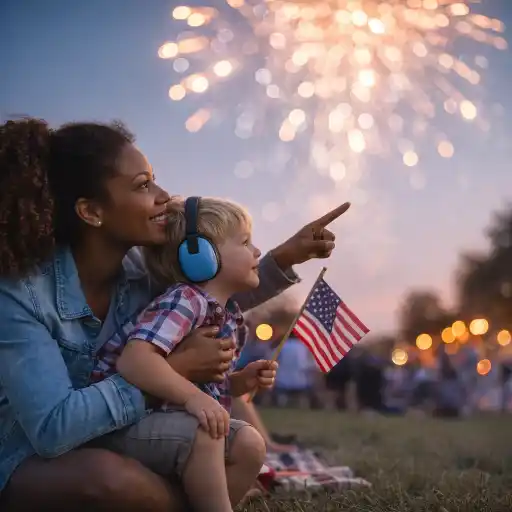
What does Michigan law mean for fireworks at my program?
1. Check local ordinances. Some cities add rules or limits. If your town has no local rule, state dates apply. Always verify with your county or city office.
2. Center policy: Never use real fireworks on center property. Even if fireworks are legal at a home, a child care site should avoid them because of risks and licensing concerns. The ChildCareEd celebration guides recommend pretend fireworks and low-noise options (ChildCareEd holiday guide).
3. Licensing note: state requirements vary - check your state licensing agency. Talk to your licensing inspector if you plan any outdoor event or family-hosted activities tied to your program.
What practical rules and supervision steps keep kids safe around fireworks?
Follow this simple, numbered checklist for events or family talks:
- 🔒 Rule: No fireworks on site. Keep fireworks away from the center and childcare yards. Use alternatives like glow sticks, bubbles, or a quiet video of a public show (craft ideas).
- 📏 Distance and barriers: If children watch a public show, keep them far from the launch area. If families gather off-site, advise safe viewing distances and adult-only lighting.
- 👀 Active supervision: Assign staff to specific zones with a headcount every transition. Use the Active Supervision strategies from ChildCareEd for staffing and sight lines (Practical Supervision).
- 🛡️ Injury prevention and outdoor safety: To help staff build the consistent safety habits that protect children during holiday celebrations and outdoor events, ChildCareEd's Injury Prevention: Their Safety Is In Your Hands
 Buy Now $24.00 is a 3-hour online course covering how to identify hazards, set up safer environments, and build prevention routines — a direct match for the supervision zones, no-fireworks policy, quiet corner setup, and emergency prep steps outlined in this guide.
 - 🧯 Emergency prep: Keep water, a fire extinguisher, and first-aid supplies handy. Make sure staff know burn first-aid basics.
- 🔉 Noise planning: Warn families about loud sounds. Offer quiet spaces and ear protection for sensitive children. Loud blasts can cause permanent hearing damage (UMC hearing risks).
Common mistakes and how to avoid them:
- ❌ Mistake: Letting families bring sparklers to a program party. ✅ Fix: Say no to any consumer fireworks at the center and suggest safe alternatives.
- ❌ Mistake: Not planning quiet options. ✅ Fix: Set up a calm corner and offer sensory bottles or books as a retreat.
- ❌ Mistake: Poor communication. ✅ Fix: Send a clear family note with rules and a schedule (see section 3).
How do I prepare staff, families, and the classroom for a safe Fourth?
- 📝 Share a short family note: 1–2 sentences with the date, times, and clear rules (no fireworks on site; public shows only). Link to your program plan and to helpful ChildCareEd resources like the celebration checklist.
- 📄 Permission & visitors: If you plan a short outdoor viewing or a visitor (like a local helper), collect signed permission forms and emergency contact updates. Use a field trip/permission template like the ChildCareEd Field Trip Permission Form Buy Now $0.00.
- 👩🏫 Staff briefing: 1) Review roles, 2) Post supervision zones, 3) Practice a quick emergency drill. Keep directions short and visual. ChildCareEd has supervision resources to guide your plan (Practical Supervision).
- 🎨 Classroom setup: Choose 2–3 stations (craft, sensory, movement) and a quiet corner. Use low-mess craft ideas from ChildCareEd (craft ideas).
Short staff script examples to share with families:
- "We will not use fireworks at our center. We will celebrate with stars, crafts, and a short parade."
- "If your family plans a home display, please keep children supervised and share plans with us."
FAQ (quick):
- Q: Can families bring sparklers? A: No — sparklers burn very hot and cause many child injuries (MedicalXpress).
- Q: Can we show a fireworks video? A: Yes—preview for loud sounds and give children a choice to watch or use quiet play.
- Q: When should families light fireworks at home? A: Follow Michigan dates and local rules; remind families to follow instructions and stay well away from launch areas (state law).
What should staff do if an injury or hearing issue happens?
Be ready. Burns, eye injuries, and sudden hearing problems need quick, calm action. Use these numbered steps and first-aid tips from Nemours/KidsHealth and the Red Cross (Nemours burns, Red Cross).
- 🔥 If a child is burned:
- 🩺 Remove the child from the source of heat and remove tight clothing near the burn.
- 💧 Cool the burn with cool (not cold) running water for 3–5 minutes.
- 🧻 Cover with a clean, dry cloth and get medical help for anything larger than a quarter, on hands/face/joints, or if it looks deep.
- 👁️ If eyes are injured: Do not rub or rinse the eye; cover lightly and get emergency care right away. Do not remove objects stuck in the eye—call 911 or go to ER (KidsHealth fireworks).
- 🔊 If a child shows sudden hearing loss, ringing, or disorientation after a loud blast: keep them calm, document the exposure, and refer the family to an audiologist. One loud blast can cause permanent damage (hearing risks).
- 📞 Call 911 for severe burns, eye injuries, trouble breathing, or if the child is unresponsive.
- 🚑 Responding to emergencies: For staff who need to feel confident acting quickly when a burn, eye injury, or hearing incident occurs, ChildCareEd's Responding to Emergencies Buy Now $16.00 is a 2-hour online course covering how to recognize emergencies, follow first aid steps, and communicate clearly with families and emergency services — directly supporting the burn cooling steps, eye injury protocol, and incident report documentation routines described throughout this article.
- 🗂️ After the incident: complete your incident report, notify the family, and file according to licensing rules. Save photos of the scene and any materials involved for documentation.
Practice these steps in a quick drill before the holiday so staff feel ready. Consider taking or refreshing first-aid training; the Red Cross recommends first-aid courses for caregivers (Red Cross training).
Conclusion
1) Keep fireworks off the center property. 2) Use clear family messages, permission forms, and active supervision. 3) Offer calm, child-friendly alternatives like parades, bubbles, and sensory play. ChildCareEd has easy celebration plans and templates to save time (celebration ideas, Stars & Stripes).
State requirements vary - check your state licensing agency and local ordinances before sharing plans. Thank you for keeping your #children safe and for planning thoughtful, inclusive celebrations for your classroom.
Why this matters: Fireworks can burn skin, damage eyes, and harm hearing. Young children are at special risk. For safety tips from national groups, see the Red Cross (Red Cross) and KidsHealth (Nemours KidsHealth).1. Know the dates and times. Michigan allows consumer fireworks on certain days (for example, June 29–July 4, and sometimes July 5) and limits hours to late evening in many places. See local summaries like the MLive overview (MLive) and the state law text (Michigan Fireworks Law).Preparation keeps everyone calm and safe. Use these numbered steps and adapt the scripts and forms from ChildCareEd.
- 45 Hour Child Growth and Development
- How To Keep A Healthy Class: Six Tips for Germ Control
- How To Keep A Healthy Class for Infants/Toddlers
- 1,2,3, Eyes on Me: Classroom Safety
- Administering Basic Health and Safety ONLINE
- Children at the Wheel: Emergent Curriculum
- Texas Director Credential
- Keeping Them Safe: Infants & Toddlers
- 4th of July Fun Facts
- CDA Certification en Español: Recursos y Consejos para Educadores Bilingües
- Recursos en Español sobre el Sueño Seguro del Bebé
- Capacitación en Salud y Seguridad Preventiva en Línea para Proveedores de Cuidado Infantil
- Proporciones de Cuidado Infantil y Tamaños de Grupo por Edad en Maryland (Guía Rápida para Centros y Hogares)
- Proporciones de Cuidado Infantil y Tamaños de Grupo por Edad en Virginia (Guía Rápida para Centros y Hogares)
- Lista para Guardería en Casa en Illinois: Cómo Iniciar una Guardería en el Hogar
- Cómo Trabajar en el Cuidado Infantil en Wisconsin: Requisitos y Pasos
- Fourth of July Craft Ideas for Preschool and Child Care
- How to Celebrate the Fourth of July in Your Center or Daycare
- Canciones, juegos y preguntas de círculo para niños
- La mejor manera de hacer seguimiento a la capacitación de su equipo de daycare How to Organize Staff Training for Your Child Care Center Cómo organizar la capacitación del personal para su centro de cuidado infantil
- How can Minnesota child care providers keep young children safe around Fourth of July fireworks?
- How can child care programs keep kids safe on the Fourth of July in North Dakota?
- How can my New York program help sensory-sensitive children cope with fireworks noise?
- How can Michigan providers keep children safe around fireworks this Fourth of July?
- What are age-appropriate Fourth of July activities for daycares?
- How can child care programs keep children safe and calm around fireworks?
- How Can Child Care Providers Integrate Counting into Seasonal Art Activities?
- How Can Child Care Providers Teach Holiday Vocabulary with Context and Care?
