Fourth of July is a fun time, but fireworks can be dangerous for little ones. This short guide helps Minnesota child care providers and directors plan safe, calm celebrations that protect children’s bodies and ears. You will find clear steps, quick checks, and helpful links to trusted resources. Remember: state requirements vary - check your state licensing agency.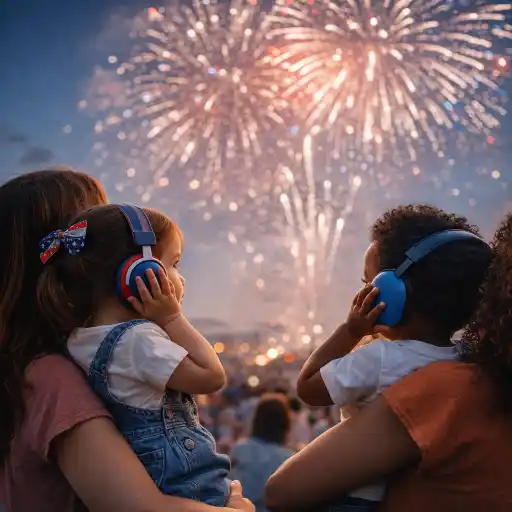
What are the top safety risks of fireworks for young children?
- 🔥 Burns and fire hazards (hands, face, clothing). Young skin burns fast—never let children handle sparklers or fireworks. For general burn first aid, see Nemours KidsHealth: Burns.
- 🔊 Hearing damage from loud blasts. Even one close pop can harm a child’s ears. The American Academy of Pediatrics warns about cumulative noise risks; experts recommend avoiding loud venues for young children—see the AAP brief covered in MedicalXpress summary and research on noise harm from WHO guidelines.
- 🚨 Crowd and supervision risks—children can wander toward danger if adults are distracted.
- 🌡️ Heat or sun risks during outdoor displays—watch for dehydration and heat stress.
Keep children away from any pyrotechnics. For classroom-friendly holiday plans that replace real fireworks with props and learning, see ChildCareEd’s How to Celebrate the Fourth of July in Your Center or Daycare and the Stars & Stripes Celebration ideas.
Why this matters: protecting little bodies and ears keeps children healthy now and prevents lifelong harm. Use simple rules and play.
How can Minnesota providers plan a safe Fourth of July celebration at the center?
Plan with clear, simple steps so everyone stays calm and safe. Use these numbered actions:
- 📋 Make a one-page plan and share it with staff and families. Include times, stations, and who supervises each area. Use templates from ChildCareEd’s classroom celebration post.
- 🚫 No real fireworks at your site. Attend a public display if families want to go, but do not allow fireworks, sparklers, or poppers on campus—ChildCareEd resources and safety guides recommend pretend or sensory alternatives.
- 🧭 Choose 2–3 short stations (each 10–20 minutes) to keep things calm: craft, sensory, movement. Example rotation: 1) Flag craft, 2) Sensory bin with dyed rice, 3) Parade with ribbons.
- 🧰 Prepare supplies: non-toxic, washable art materials; large parts for toddlers; sealed sensory bottles for children who need calm play. See quick craft ideas at Fourth of July Craft Ideas.
- 🛡️ Hearing and sensory plan: offer ear protection (child-sized earmuffs) and a quiet space for children who need it. The AAP and other experts advise caution around loud sounds—protect children’s #hearing with distance and earmuffs.
- 📣 Family note: tell families the plan, permission needs, and that state requirements vary - check your state licensing agency. Invite voluntary family participation with clear rules (no fireworks, age limits, food permissions).
Using these steps helps you celebrate while keeping focus on #safety, learning, and inclusion. For printable station signs and active supervision tips, use ChildCareEd resources like the Active Supervision Poster and Independence Day activity packet.
What emergency steps and prevention checks should staff use before and during celebrations?
Being ready prevents small problems from becoming big ones. Use this checklist and share it with staff:
- 🩺 First-aid and emergency supplies:
- Have a stocked first-aid kit and burn-care supplies handy.
- Ensure staff with current first-aid/CPR training are on site.
- 🛡️ Injury prevention and safety routines: To help staff build the consistent habits that prevent burns and hazards during holiday celebrations, ChildCareEd's Injury Prevention: Their Safety Is In Your Hands
 Buy Now $24.00 is a 3-hour online course covering how to identify hazards, set up safer environments, and build prevention routines — a direct match for the no-fireworks policy, station supervision, fire and burn prevention checks, and first aid readiness steps outlined in this guide.
- 🧯 Fire and burn prevention checks:
- Confirm smoke alarms and fire extinguishers are working.
- Clear paths for a quick evacuation and practice the plan ahead of time.
- 👀 Supervision and ratios:
- Assign one adult per station and one roaming supervisor for outdoor transitions.
- Use small group sizes and simple sign-up limits (e.g., "3 children here").
- 🩹 If an injury happens:
- For burns: cool the burn with cool (not ice) water for several minutes and cover lightly; get medical care for anything more than a minor first-degree burn. See Nemours KidsHealth burn guidance at KidsHealth.
- For possible hearing injury or ringing: refer families to audiology and note the event on the incident report.
- 🌡️ Weather and heat checks: plan water breaks, shade, and indoor backup for extreme heat. See ChildCareEd’s Ready Wrigley Prepares for Extreme Heat Buy Now $0.00 for tips.
These steps make your program ready and calm. Practice them with the staff before the event so everyone knows their role.
How do we support children who are scared or have sensory needs during fireworks?
Many children feel afraid of loud noises, bright lights, or crowds. Plan choices so every child can feel safe and included.
- 🛋️ Create at least one quiet space indoors with soft lighting, headphones or child-sized earmuffs, and calming toys (sensory bottles, soft books). Use calm options from ChildCareEd’s inclusion resources, like Special Needs in Daycare: Inclusion Quick Tips.
- 💛 Children's mental health and sensory support: For staff who want to feel confident supporting children who are scared or overwhelmed by loud sounds and crowds, ChildCareEd's A Thoughtful Approach to Children's Mental Health Buy Now $24.00 is a 3-hour online course covering how to recognize emotional and sensory needs, use calming strategies, and build supportive classroom practices — directly supporting the quiet space setup, staff buddy assignments, and sensory alternative steps described throughout this article.
- 🎧 Offer hearing protection: child-sized earmuffs are safer than earplugs for young children (earplugs can be a choking risk). Experts recommend earmuffs for infants and toddlers—see the AAP guidance summarized in MedicalXpress and the UMMC note on hearing risks.
- 📺 Provide a low-volume or muted fireworks video option for curious children; preview videos first to avoid sudden loud noises.
- 🧑🤝🧑 Use staff buddies: assign one adult to stay with any child who prefers not to join group activities so they feel supported and seen.
- 🔄 Offer sensory alternatives: movement games (bubble wrap stomp, ribbon parade), scented play-dough, or discovery bottles so children can participate without noise exposure. See craft and sensory ideas at ChildCareEd’s Fourth of July Craft Ideas.
Common mistakes and how to avoid them:
- ❌ Too many activities at once → ✅ Limit to 2–3 stations and rotate.
- ❌ Assuming all families celebrate the same way → ✅ Use "some families" language and offer choices.
- ❌ Letting children handle sparklers or fireworks → ✅ Use glow sticks, ribbon wands, or sealed sensory bottles instead.
Conclusion
You can help children enjoy a calm, meaningful Fourth of July without using real fireworks. Keep plans short, supervise actively, protect children’s #hearing and skin from #burns, and offer quiet choices for children with sensory needs. Use practical ChildCareEd lesson ideas like How to Celebrate the Fourth of July in Your Center or Daycare and the Stars & Stripes Celebration packet to save prep time. State requirements vary - check your state licensing agency.
FAQ for quick staff reference
- Q: Can we show fireworks videos? A: Yes, if you preview for volume and offer a choice to opt out.
- Q: Are sparklers safe? A: No—sparklers burn very hot and should never be given to young children; use glow sticks instead. See Nemours: Fireworks Safety.
- Q: How long should each activity be? A: 8–20 minutes depending on age; preschoolers often do best with 10–15 minute bursts.
- Q: Who should I call for more training? A: Check ChildCareEd courses and free resources like the Active Supervision poster at ChildCareEd Resources.
Thank you for keeping celebrations joyful and safe. Your planning makes a big difference for children and families.
- 4th of July Fun Facts
- 🔍 ¿Qué ves cuando observas a un niño aprender?
- Recursos en Español sobre el Sueño Seguro del Bebé
- Capacitación en Salud y Seguridad Preventiva en Línea para Proveedores de Cuidado Infantil
- Proporciones de Cuidado Infantil y Tamaños de Grupo por Edad en Maryland (Guía Rápida para Centros y Hogares)
- Proporciones de Cuidado Infantil y Tamaños de Grupo por Edad en Virginia (Guía Rápida para Centros y Hogares)
- Lista para Guardería en Casa en Illinois: Cómo Iniciar una Guardería en el Hogar
- Cómo Trabajar en el Cuidado Infantil en Wisconsin: Requisitos y Pasos
- Fourth of July Craft Ideas for Preschool and Child Care
- How to Celebrate the Fourth of July in Your Center or Daycare
- Canciones, juegos y preguntas de círculo para niños
- La mejor manera de hacer seguimiento a la capacitación de su equipo de daycare How to Organize Staff Training for Your Child Care Center Cómo organizar la capacitación del personal para su centro de cuidado infantil
- How can Minnesota child care providers keep young children safe around Fourth of July fireworks?
- How can child care programs keep kids safe on the Fourth of July in North Dakota?
- How can my New York program help sensory-sensitive children cope with fireworks noise?
- How can Michigan providers keep children safe around fireworks this Fourth of July?
- What are age-appropriate Fourth of July activities for daycares?
- How can child care programs keep children safe and calm around fireworks?
- Reglas y regulaciones de guarderías en Minnesota 2026: Requisitos actuales y próximos cambios
- How Can Child Care Providers Integrate Counting into Seasonal Art Activities?
