This collection of concise historical notes and classroom ideas helps child care professionals explain Independence Day in developmentally appropriate ways while maintaining supervision and safety. For training that supports safe outings and classroom supervision during community celebrations, see our Transportation and Field Trip Safety Buy Now $25.00 course and our Intentional Safety for Infants/Toddlers  Buy Now $24.00 course. Below are quick facts you can present to children and families, followed by practical activity and safety guidance for programs.
What are key historical facts about July 4th?
- 1777 – The First Anniversary – Bristol, Rhode Island, fired thirteen gunshots in salute: once in the morning and once again in the evening. Philadelphia hosted an official dinner for the Continental Congress. There were also toasts, 13-gun salutes, speeches, prayers, music, parades, troop reviews, and fireworks. Ships were decorated with red, white, and blue bunting.
- 1778 – General George Washington gave his soldiers a double ration of rum and an artillery salute. On the other side of the Atlantic Ocean, ambassadors John Adams and Benjamin Franklin hosted a dinner for their fellow Americans in Paris, France.
- 1781 – The Massachusetts General Court became the first state legislature to recognize July 4th as a state celebration.
- 1791 – The first recorded use of the name “Independence Day” occurred.
- 1820 – Eastport Main held the first Fourth of July celebration, and it remains the largest in the state.
- 1870 – The United States Congress made Independence Day an unpaid holiday for federal employees.
- 1938 – The United States Congress changed Independence Day to a paid federal holiday.
How can child care programs teach children about Independence Day while supporting development?
Use simple narratives that focus on civic concepts children can grasp: community helpers, why people celebrate, and how symbols like flags and parades are used. Emphasize social studies skills (listening, comparing past and present) and language development (new vocabulary such as "independence," "celebration," "tradition"). Offer children choices between quiet and active ways to participate, and provide picture books and songs that reflect diverse perspectives.
What are safe, age-appropriate activities for early childhood settings?
Design activities that reduce risk and sensory overload. Examples include:
- Flag-making and name-the-colors art projects that practice fine
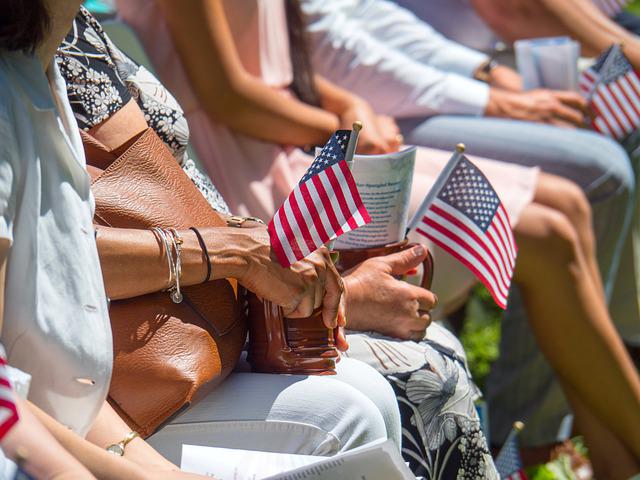 motor skills and color words (see craft ideas: Fourth of July Craft Ideas for Preschool and Child Care).
 - Parade practice with rhythm instruments and a short, supervised walk on the premises or a staged classroom parade (plan per your program's transportation policy; training suggestion: Transportation and Field Trip Safety Buy Now $25.00).
- Quiet sensory activities and social stories for children who are sensitive to loud noises; see strategies here: Sensory-sensitive strategies for fireworks noise.
How can programs keep children safe around fireworks, crowds, and summer events?
Fireworks and large gatherings pose predictable hazards: noise trauma, lost-child incidents, sun/heat exposure, and increased traffic. Actionable steps for programs include:
- Plan in advance: if you take children on any outing, complete a written risk assessment, parent permissions, attendance and supervision plans, and vehicle safety checks (the Transportation and Field Trip Safety Buy Now $25.00 course covers these topics).
- Consider alternatives to field trips on peak celebration nights (host an on-site observance, structured parade, or small group activities indoors).
- Assign higher staff-to-child ratios and use visible identifiers (colored wristbands or vests) when moving groups; rehearse emergency reunification procedures with staff each season.
- Adjust schedules to avoid midday heat, ensure shade and hydration, and have allergy and medication plans accessible.
- Provide restful, quiet options and noise-mitigating tools (headphones, calm boxes) for children who need them; link to program guidance: July 4th Fireworks in the classroom.
Which ChildCareEd courses and articles can help staff prepare?
Relevant trainings and internal guidance include Transportation and Field Trip Safety Buy Now $25.00, Intentional Safety for Infants/Toddlers Buy Now $24.00, and Building and Physical Premises Safety Buy Now $10.00. Internal articles with ready-to-use activities and policy tips include How to Celebrate the Fourth of July in Your Center or Daycare, Age-appropriate Fourth of July activities, and guidance for specific states and situations such as Michigan fireworks safety and North Dakota safety guidance. For additional holiday-focused lesson plans and inclusive crafts, see our Father's Day activities and crafts for early childhood.
What fun, age-appropriate Fourth of July facts can I share with children?
Children respond best to short, concrete facts that connect to things they can see, do, or talk about. Choose 3–6 very short items and present them as a conversational list, a picture-card activity, or a brief circle-time script. Keep language simple but accurate, and pair each fact with a sensory or movement prompt so children can practice vocabulary and self-regulation. Examples that work across preschool and early elementary levels include:
- Short fact + invite: "The flag has stars for each state. Let’s count the stars on our paper flags." (vocabulary: star, stripe, nation; skill: counting, fine motor when gluing stars)
- Short fact + comparison: "Long ago people sent letters by horse or ship. Today we use phones and mail trucks." (skill: compare past and present; language: then/now)
- Short fact + sensory tie: "People celebrate with parades and music. Let’s make our own rhythm instruments and march slowly so we can listen to each other." (skill: turn-taking, auditory discrimination)
- Short fact + empathy prompt: "Families celebrate differently. Some watch fireworks, some have picnics, and some spend time quietly at home. How does your family celebrate?" (skill: perspective-taking, family connections)
For infants and toddlers, translate facts into routines and sensory experiences: point out a small fabric flag during outdoor time, sing a simple celebration song, or offer red/white/blue scarves to explore color and texture safely. For children who are sensory-sensitive, present facts in a low-stimulation setting and offer calm alternatives (visual storyboards or quiet, tactile materials) rather than loud demonstrations.
Use ready-made, classroom-friendly supports when you need them quickly: a short picture book, a two-card true/false game about one or two facts, or a small sensory tray with flag-colored items. For play-based extensions that promote language and fine motor development, see ChildCareEd activities like the play-based learning ideas in "Be a Kid Again Day" and state-specific safety planning in the Minnesota fireworks guidance.
Summary: What should providers do now?
Share brief, age-adapted facts about Independence Day with children and families, prioritize supervision plans, and choose activities that match your program's staffing, environment, and the sensory needs of enrolled children. Enroll staff in a relevant health and safety course before peak-summer community events; review your emergency and transportation procedures, and consult state-specific licensing guidance (see warnings below about state regulatory citations). Before planning events, confirm current licensing rules with your state's child care licensing agency.
Tags: #IndependenceDay #Fireworks #Safety #History #Activities
- Appropriate Precautions in Transportation of Children
- Positive Attention: Interactions & Supervision of Infants & Toddlers
- Positive Attention: Interactions and Supervision of Infants and Toddlers: For Workforce Solutions
- Children at the Wheel: Emergent Curriculum
- Positive Attention: Interactions & Supervision for Infants & Toddlers
- Safe Supervision in Child Care: Birth to School Age
- Texas Director Credential
- Enriching Education: Field Trips
- Family Child Care: Building, Premises, and Outdoor Safety
- Mindful Supervision: Balancing Safety & Independence in Montessori
- 4th of July Fun Facts
- July 4th Fireworks in the classroom
- CDA Certification en Español: Recursos y Consejos para Educadores Bilingües
- ❄️ ¿Qué actividades al aire libre funcionan bien para los niños de Illinois en cada estación? 🌷🍂
- ¿Cómo hacer actividades navideñas inclusivas para todas las familias?
- ¿Cuáles son las mejores actividades del Día de la Tierra para niños en casa o en el aula?
- Actividades de Fiesta para Niños de Preescolar y Primaria
- Actividades de Otoño Fáciles para Preescolares esta Temporada
- Temas y Actividades para el Día Nacional del Kindergarten para Proveedores
- Consejos de Supervisión Activa para Salones de Preescolar y el Juego al Aire Libre
- Las Mejores Ideas de Excursiones para Guarderías en Texas
- Fourth of July Craft Ideas for Preschool and Child Care
- Canciones, juegos y preguntas de círculo para niños
- How can Michigan providers teach community and citizenship for the 250th anniversary?
- How Can Flag Design Help Children Explore Symbols, Patterns, and Individual Expression?
- How Can You Plan Patriotic Crafts Without Limiting Children’s Creativity?
- How Do Dot-to-Dot Activities Support Number Order and Pencil Control?
- How Can Child Care Providers Integrate Counting into Seasonal Art Activities?
- How Do Wearable Crafts Support Fine-Motor Skills and Classroom Celebration?
- How Can Seasonal Learning Experiences Build Multiple Skills at Once?
