Outdoor time is one of the best tools child care teams have to help young learners grow. Outside, children move, explore, and solve problems with their whole bodies. This article explains the many benefits of outdoor play for toddlers and preschoolers and gives simple, practical steps you can use today. We highlight research and easy resources from ChildCareEd and trusted p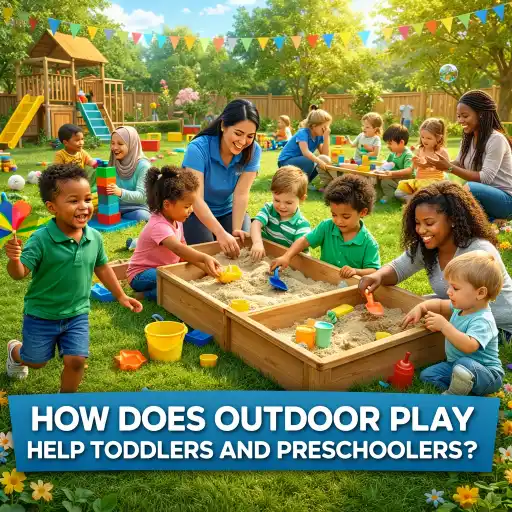 artners so you can feel confident planning safe, meaningful outdoor learning.
Why it matters: Outdoor play helps children be strong, curious, and calm. It supports big muscles, language, self-control, and social skills. For providers, outdoor time often means calmer classrooms and happier staff. Remember: state requirements vary - check your state licensing agency.
Key words: #outdoor #play #children #learning #safety
What physical, thinking, and social skills do children gain outside?
1) Physical growth (big muscles):
- 🍃 Running, climbing, and balancing build strength and coordination. The CDC says outdoor play helps meet daily activity needs and supports motor milestones.
- 🌞 Sunlight helps with vitamin D and eye health when used safely.
2) Thinking and attention:
- 🔎 Nature invites questions and problem-solving. Studies show outdoor learning links to better focus and even literacy gains in some preschool settings, as reported by researchers like Arianna Pikus (AERA Open summary).
3) Social-emotional growth:
- 🤝 Playing together outdoors gives space to practice sharing, negotiating, and managing big feelings. ChildCareEd highlights that outdoor classrooms support social skills and calm transitions (Why outdoor learning matters).
Why this matters to you: Outdoor play offers many learning targets in one activity — physical, language, and emotional skills all at once. Use short outdoor blocks every day to see steady gains.
How do we keep outdoor play safe and follow rules?
Keeping children safe outdoors is simple when you have a plan. Follow these steps every day.
- 🔍 Do a quick hazard scan: check for glass, sharp objects, poisonous plants, standing water, and animal waste. ChildCareEd's guide on outdoor hazards offers good checklists (Creating Safe Outdoor Play Environments).
- 🧑🏫 Use active supervision: staff should move, scan, and talk with children rather than sitting still. Train staff with short practice sessions and reminders.
- ⛑️ Follow health steps from the CDC: sun protection, hydration, insect precautions, and water safety. See the CDC's outdoor play safety tips (CDC resource).
- 📋 Keep simple rules and practice them: 1) stay with the group, 2) use walking feet near fences, 3) tell an adult about hazards.
Common mistakes and how to avoid them:
- Too many toys at once — rotate materials weekly to keep focus.
- Skipping daily checks — a 1–2 minute checklist prevents many problems.
- Overprotecting children — allow small, safe risks (like low climbing) to build confidence. The Canadian review discusses balancing risk and benefit.
Reminder: state requirements vary - check your state licensing agency for rules about ratios, fencing, and outdoor equipment. Keep logs of checks and parent permissions for sunscreen or repellent.
What easy outdoor activities support learning goals?
Below are low-cost activities that map to learning goals. Try one each week and watch skills grow.
- 🔎 Nature scavenger hunt: give children a list (3 leaves, 2 rocks, 1 stick). Builds observation and vocabulary. (See ChildCareEd activity ideas: Outdoor play benefits Buy Now $0.00.)
- 🌱 Mini gardening: plant seeds in pots. Children practice routines, learn life cycles, and build responsibility. Use the Creating the Natural Outdoor Classroom
 Buy Now $16.00 resources for ideas.
 - 🪵 Sensory stations: sand, water, leaves, and safe loose parts. Great for language and fine motor skills.
- 🏃 Obstacle courses and movement cards: short circuits for hopping, balancing, and crawling build gross motor skills and listening.
- ✍️ Nature journaling: draw or tell what you see and hear to boost expressive language.
Tips for success:
- Rotate materials to keep interest.
- Keep activities short and repeatable for toddlers.
- Link the outside activity to your weekly learning goals — one vocabulary word, one counting moment, or one social goal.
How can we involve families, train staff, and measure success?
Making outdoor play a program habit takes teamwork. Use this simple 1–2–3 plan.
- 📣 Invite families in small steps:
- Send quick notes or photos after outdoor time with one highlight and one word the child used.
- Host a short family nature day or seed-planting event so families see learning in action.
- 👩🏫 Train and support staff:
- Use short staff meetings to practice supervision, hazard checks, and activity setups.
- Consider ChildCareEd courses for deeper training like Creating the Natural Outdoor Classroom Buy Now $16.00.
- 📊 Measure success simply:
- Track 3 signs each week: more active play, new vocabulary used outdoors, calmer transitions after outdoor time.
- Keep a one-line log or one photo per week to show families and leadership progress.
Quick FAQ:
- Q: How long should outdoor time be? A: Several short blocks (20–30 minutes) each day help toddlers and preschoolers.
- Q: What if space is small? A: Use zones, vertical play, and bins with loose parts. ChildCareEd has small-space ideas (Outdoor play benefits Buy Now $0.00).
- Q: How do we handle bad weather? A: Keep outdoor learning when safe with proper clothing; otherwise bring outdoor ideas inside.
- Q: Can outdoor time help teacher wellness? A: Yes — research finds outdoor programs can reduce teacher stress and burnout (AERA Open summary).
Conclusion
Outdoor play is an efficient, joyful way to teach many skills at once. Start small: add one outdoor block, try one new activity, and do one short staff practice. Use daily hazard checks and simple routines to protect children and staff. For practical tools and course ideas, explore ChildCareEd resources and the CDC guidance on outdoor safety. When teams make outdoor play part of the routine, children grow stronger, calmer, and more curious — and your classroom benefits too.
- Creating the Natural Outdoor Classroom
- 1,2,3, Eyes on Me: Classroom Safety
- Birth to Five CDA Credential with Portfolio Review
- CDA Bridge Bundle: Family Child Care without Portfolio Review
- CDA Bridge Bundle: Infant/Toddler without Portfolio Review
- CDA Bridge Bundle: Preschool without Portfolio Review
- Texas Director Credential
- Family Child Care: Building, Premises, and Outdoor Safety
- Why Does Outdoor Learning for Toddlers and Preschoolers Matter?
- Actividades de Motricidad Gruesa que Desarrollan el Equilibrio, la Coordinación y la Fuerza
- Actividades de Otoño Fáciles para Preescolares esta Temporada
- Autumn Activities for Toddlers and Preschoolers
- Fall Sensory Activities for Toddlers and Preschoolers
- Pumpkin, Leaves, and Apples: Fall Activities for Preschoolers
- Celebrando la amistad en el cuidado infantil durante el Día de los Mejores Amigos
- How can outdoor learning help young children grow and learn?
- Why Should Early Childhood Programs Prioritize Outdoor Play?
- How can child care programs keep playgrounds safe for infants through school-age children?
- Should Early Childhood Programs Give Children More Outdoor Time?
- How Can We Teach Young Children to Care for the Environment?
- Daycare Ratios by Age: Infant, Toddler, and Preschool Requirements Explained
- Toddler Classroom Schedule: A Full-Day Example from Drop-Off to Pick-Up
- Mixed-Age Daycare Schedule: How to Plan a Day for Different Age Groups
- Too Wiggly to Sit? Fall Movement Activities Toddlers Will Love
- Hello, Fall! Cozy Activities to Help Babies Explore the Season
- What Does a Developmentally Appropriate Daily Schedule Look Like?
- How Can Child Care Programs Make Physical Activity a Daily Practice?
- How Can You Build a Family Child Care Day Around Shared and Individual Routines?
