Summer in #Minnesota is full of chances to help your #children grow. With simple plans, you can mix play, nature, and short lessons so each day feels joyful and useful. This article gives easy steps for schedules, activities, safety, family partnerships, and quick training ideas. Remember: state requirements vary - check your state licensing agency.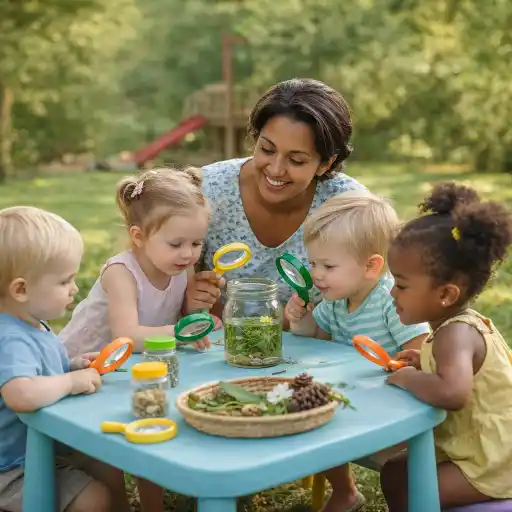
Why does summer enrichment matter — and how do we start small?
- Children who keep doing small learning tasks over the summer keep their skills steady. This lowers stress when school returns and helps with social skills. See ideas from How can Minnesota child care programs keep kids learning and engaged over the summer?.
- Outdoor time boosts focus and physical health. The Minnesota Dept of Health has helpful physical activity rules you can follow: Early Care and Education Physical Activity.
Start small (3 steps):
- Pick one new block: add a 15–30 minute outdoor block each day.
- Create 3 rotating stations (art, science, gross motor) that repeat each week.
- Use a tiny outdoor kit (clipboards, wipes, magnifier) to make the setup fast.
These tiny moves help staff build routine and keep your #summer program calm and fun.
How can we plan simple daily routines that keep kids learning and engaged?
- Morning arrival (10–15 minutes):
- 🟢 Welcome, quick book or song, offer water.
- Three short stations (15–30 minutes each):
- 🎨 Station 1: Art + language (word of the day, story)
- 🔬 Station 2: STEM or nature table (plant growth chart)
- 🏃 Station 3: Gross motor (obstacle, music/movement)
- Snack + quiet time: recap what children learned and send a quick note or photo to families.
- Afternoon active play or short field trip (1–2 hours max) — rotate weekly.
Tips for making it work:
- Assign clear staff roles for each station so everyone knows who leads and who supports.
- Keep materials low-cost and easy to store: loose parts, a water bin, and a small garden pot.
- Document one learning target per block (example: count seeds, name two insects). Use a quick photo + one sentence per child.
For ready-made summer activity ideas, see Summer Smiles and the ChildCareEd summer guide at How can Minnesota child care programs.... These help you match activities to age and staffing.
What low-cost, high-impact activities work best in Minnesota settings?
- 🌱 Garden pots and seed trays
- Plant herbs or quick radishes. Track growth with stickers or simple charts. See nature-class ideas at What Are Creative Ways to Use Nature as Your Classroom?.
- 🌿 Natural outdoor classroom: For staff who want to strengthen how they plan and facilitate outdoor learning experiences all summer long, ChildCareEd's Creating the Natural Outdoor Classroom
 Buy Now $16.00 is a 2-hour online course covering how to design safe, engaging nature-based learning opportunities that connect children to their environment — a direct match for the garden pots, loose parts, STEM experiments, and short community outing steps outlined in this guide.
- 💧 Water and sensory play
- Water walls, pouring stations, ice cube painting. Keep shaded and timed. ChildCareEd lists safe summer water ideas in Summer Smiles.
- 🎨 Loose parts and art
- Use rocks, leaves, sticks for sorting, patterns, and art. These support math and fine motor skills without lots of prep.
- 🚌 Short community and outings
- Visit a nearby library, nature center, or museum for 1–2 hour trips. For planning tips see Field Trips in Minnesota.
- 🔬 Simple STEM experiments
- Sink/float tests, measuring evaporation, or ice-melting races. These support observation and language.
For a ready-made themed STEM day, consider a Moon Day/space exploration celebration — see Moon Day/Space Exploration Day activities for age-appropriate experiments, crafts, and easy outdoor station ideas.
Rotation idea: pick 3 activities per week (one from each category) and repeat. Short blocks (15–30 minutes) keep kids focused, and staff refreshed. Your #outdoor time becomes a steady learning tool.
How do we keep children safe, cool, and comfortable during summer days?
Safety matters as much as fun. Use clear daily checks and assigned roles so staff act fast when needed. Remember: state requirements vary - check your state licensing agency.
- Check conditions b before every outdoor block:
- 🌤️ Use local weather, heat index, and AQI tools. The CDC offers HeatRisk tools and guidance: Infants and Children and Heat.
- Hydration routines:
- 💧 Offer water on arrival, before going out, and every 10–15 minutes when active. For infant/toddler guidance,e see Hydration & Safety for Infants and Toddlers.
- Shade and schedule:
- 🕶️ Move high-energy play to morning or late afternoon. Use trees, tarps, or canopies for shade.
- Water and swimming safety:
- 🚨 Use constant active supervision around water. For swim and water rules, see Red Cross water safety resources: Water Safety for Kids.
- Assign roles and post a heat plan:
- 🧭 Assign a "water watcher" and a heat-kit grabber (ice packs, cool towels, first-aid). Post a traffic-light chart by exits so staff know when to shorten or cancel outdoor time.
- 🌱 Health, safety, and wellness routines: To help staff build the consistent daily habits that keep children safe and healthy during summer days, ChildCareEd's Healthy Starts: Safety, Nutrition, and Wellness in Child Care Buy Now $55.00 is a 6-hour online course covering safe environment practices, hydration basics, and wellness planning — directly supporting the heat check, water station setup, shade scheduling, and water watcher role assignment steps described throughout this article.
Common mistakes and fixes:
- ❌ Checking the weather only once in the morning. ✅ Fix: Check before every outdoor block.
- ❌ No assigned water or shade roles. ✅ Fix: Assign staff and rotate duties weekly.
- ❌ Overlong outings in the heat. ✅ Fix: Keep field trips to 1–2 hours and plan shaded breaks.
If you need step-by-step incident response, ChildCareEd offers practical safety courses like Keeping Infants & Toddlers Safe in Heat and the weather safety guides at Weather Safety in Child Care.
How can we partner with families and community groups to extend learning?
Partnerships make summer richer and more affordable. Use small steps to involve families and local groups.
- Family partnerships:
- 🤝 Invite parents to share a skill, bring garden plants, or join a short outing. Send weekly photos or a 30-second video so families see the learning. See family engagement ideas at How can Minnesota child care programs....
- Community partners:
- 🏛️ Tap libraries, parks, museums, and nature centers for free or low-cost programs. Use the ChildCareEd field trip guide: Field Trips in Minnesota.
- Local supports and grants:
- 🌱 Look for DNR workshops, extension offices, or community grants to support gardens and outdoor kits. Search local DNR teacher resources mentioned in ChildCareEd nature articles.
- Take-home learning:
- 📦 Send home simple kits (a book, a seed packet, a short activity sheet) so families can continue learning.
Work with families to confirm clothing, sunscreen rules, and health plans. Clear communication builds trust and helps your #learning continue at home.
Conclusion — Quick checklist and FAQ
Try one new small routine this week. Here is a short checklist to copy and post:
- Post daily weather/heat/AQI check by exit.
- Set up 3 rotating stations and assign staff roles.
- Prepare a water station, shade area, and heat kit.
- Send one weekly photo or note to families.
- Use one ChildCareEd course or article to guide staff training. See PAUs and Summer for guidance on earning PAUs/CEUs from short summer courses and which activities or courses count toward continuing education.
FAQ
- Q: How long should outdoor blocks be? A: 15–30 minutes for toddlers; 30–60 minutes for preschoolers. Adjust for heat and staffing.
- Q: Can we do water play every day? A: Yes, with shade, frequent breaks, a water-watcher, and parent permission for sunscreen.
- Q: Where do I find field trip ideas nearby? A: See Field Trips in Minnesota for many local ideas.
- Q: Who trains staff for outdoor learning? A: Use short ChildCareEd courses like Creating the Natural Outdoor Classroom and local DNR workshops.
Small steps make a big difference. Your program can turn sunny days into calm, joyful learning. Keep safety first, involve families, and celebrate progress. Your #children will thrive.
Good routines make learning happen without extra stress for staff. Try this easy daily plan you can repeat all summer: Why it matters:Choose short, repeatable activities that fit your space and staff. Here are practical picks that are low-cost and easy to run:
- Get Ready for Summer!
- 10 Reasons this Summer to Take Pediatric First Aid and CPR with ChildCareEd
- CDA Certification en Español: Recursos y Consejos para Educadores Bilingües
- 💛🧩 ¿Cómo puedo hacer que mi enseñanza sea inclusiva para los niños con autismo?
- Field Trips in Minnesota: A Great Way to Learn and Explore
- Proporciones de Cuidado Infantil y Tamaños de Grupo por Edad en Virginia (Guía Rápida para Centros y Hogares)
- How can we use nature-based learning through Minnesota's outdoor seasons?
- How can we safely take toddlers on nature walks in Minnesota?
- How can childcare programs protect young children in North Dakota from West Nile, ticks, and extreme heat?
- Celebrando la amistad en el cuidado infantil durante el Día de los Mejores Amigos
- How can North Dakota child care programs plan now for tourism and population surges?
- Canciones, juegos y preguntas de círculo para niños
- How can Minnesota child care programs keep kids safe during heat and poor air-quality alerts?
- How can New York providers bridge the summer gap with year-round learning?
- How can Minnesota child care programs keep kids learning and engaged over the summer?
- How can my Minnesota child care program prevent drowning this summer?
- How can you turn summer days into learning moments at your Minnesota program?
- How can we build a Minnesota summer program that keeps school-agers engaged?
- How can Minnesota child care providers celebrate National Ice Cream Day safely and with fun activities?
- How can childcare programs create high-quality outdoor classrooms and nature-based care?
