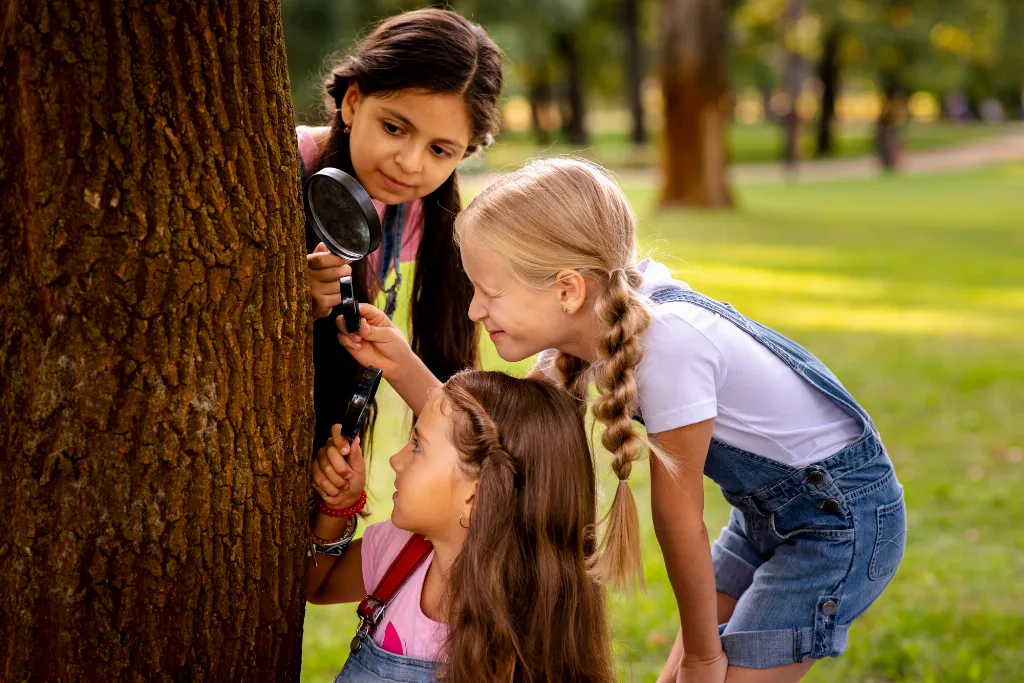
 Field trips can transform learning from pages in a book into real-world adventures. In Minnesota, there are many exciting and educational places where #students of different ages can discover history, science, nature, and #culture. This article explores some of the best field trips in Minnesota — what they offer, why they’re valuable, and how to get the most out of them.
Why Field Trips Matter
Field trips give students a chance to:
-
See history and natural science come alive. Visiting real places or artifacts helps them connect #classroom learning with real-world experiences.
-
Engage all senses in learning. They can touch, explore, ask questions — much more interactive than a textbook.
-
Understand their community and state. Through local history, nature, and culture, students learn about where they live and the diverse past of Minnesota.
-
Encourage curiosity and critical thinking. Field trips often raise new questions and prompt deeper thinking than classroom lessons alone.
-
Build social and cooperative skills. Working in groups, following directions, and sharing experiences help students practice teamwork and respect.
Because of all this, field trips remain an important part of education — and in Minnesota, there are many options for schools, childcare programs, and families.
Great Field Trip Destinations in Minnesota
Here are some popular and reliable destinations across Minnesota that make for excellent educational field trips, whether for school groups or families.
Minnesota Historical Society (MNHS) Sites
The Minnesota Historical Society runs a number of historic sites and museums offering field trips, many geared toward K– #12 students.
Minnesota History Center — Located in St. Paul, this museum offers interactive exhibits on Minnesota’s history, from #early settlers to modern times. Students can take part in scavenger hunts and classroom-style lessons tailored by grade level.
Forest History Center — In Grand Rapids, this site uses costumed interpreters and a recreated 1900 logging camp to teach about forests, logging, and conservation — ideal for grades 2– #6.
Historic Fort Snelling — This site shares a complex and layered history, including Native American history, fur trade, military, and immigrant stories. Trips include a “passport” activity where students rotate between interactive stations like a one-room schoolhouse, cannon crew, laundry, and more.
Sibley Historic Site — Great for upper elementary (grades #4–6), this site explores early Minnesota statehood, fur trade, and the life of the first governor of Minnesota. Tours focus on early government and trade history.
These MNHS sites follow Minnesota’s social studies standards, making them not only fun but academically meaningful.
Science, Nature, and Innovation: Museums & More
Not all learning needs to be about history — Minnesota also offers excellent field trips focused on science, nature, environment, and innovation.
-
The Works Museum — Great for younger students ( #preschool to elementary), this museum offers hands-on engineering and design activities: building circuits, exploring plumbing, playing with KEVA planks or LEGO-style bricks, and more. Their workshops align with Minnesota’s science standards.
-
The Bakken Museum — Focused on science, engineering, and innovation, this museum provides guided, inquiry-based workshops and tours where students explore scientific and technological concepts in engaging, interactive ways.
-
Bell Museum — Located at the state university campus, this natural history museum features dioramas of Minnesota wildlife and a planetarium. It’s a perfect way for students to learn about animals, ecology, astronomy, and the natural world around them.
These destinations offer hands-on learning that can complement science and environment lessons in school, or simply spark a child’s curiosity about the world.
Hands-On and Seasonal Experiences
-
Mille Lacs Indian Museum and Trading Post — This museum provides insight into the life and culture of the Ojibwe people. Field trip programs often include museum tours, interactive lessons, scavenger hunts, Native American games, and lessons about traditional ways of life (maple sugaring, wild rice harvesting, etc.). The museum also offers #craft projects and opportunities to learn some Ojibwe words or sign- #language communication.
-
Historic Towns & Living History Sites — Sites like the forest, early farms, logging camps, or rural #homesteads give students a chance to “walk back in time,” imagining how people lived, worked, and #adapted to nature and climate long ago. Examples include the Forest History Center logging camp and other MNHS historic towns.
These experiences give students physical context for history and culture — not just stories, but demonstrations of how people lived, worked, ate, and built communities.
Planning a Successful Field Trip
When organizing a field trip in Minnesota, here are some tips to make the experience smooth and meaningful:
-
Choose destinations based on age/grade level. For younger children, interactive and hands-on sites (like The Works Museum or Bell Museum) are often best. Older students may benefit from more complex history or #cultural sites.
-
Connect with learning standards. Many of these field trip programs align with Minnesota’s academic standards (social studies, science, environment), so they can reinforce what children are learning in class.
-
Schedule ahead. Some programs book quickly, so try to reserve well in advance. Also note seasonal limitations: certain sites offer programs only during parts of the year (spring, fall, #summer) — for example, logging camps or #outdoor tours.
-
Check for group discounts or financial support. Some historic-site programs offer subsidized pricing for school or community groups. If you are part of a childcare or educational program, this can make trips more affordable.
-
Prepare students ahead of time. Provide context: discuss what they will see, ask predictive questions, and encourage curiosity. After the trip, follow up with activities: journaling, drawing, sharing what they learned — to reinforce the experience.
-
Consider alternative or virtual experiences. Some institutions may also offer in-school workshops or virtual trips, which can be useful if transportation is difficult (especially for childcare centers, after-school programs, or home-school groups). For example, some museums and science centers provide outreach or traveling- #educator options.
Field Trips for Childcare Centers and Educators
If you run a childcare program, after-school club, or any #youth educational setting, Minnesota’s field trip options can be a great asset. Field trips can be used not just for school classes, but for enrichment, discovery, and fun.
-
Combine a museum visit with a hands-on workshop (e.g., science, history, nature) to give children a richer learning experience.
-
Use smaller outings — even short museum trips or a visit to a historic site — to encourage curiosity and connection with Minnesota heritage and nature.
-
Consider cost and transportation support options — some programs help subsidize costs, especially for nonprofit or community-based educational programs.
To further support #educators and childcare providers, you might also be interested in professional #development and resources that help guide effective field trips, planning, #safety, and integration into educational goals. For example, there are trainings and resources available at ChildCareEd.com that can help childcare professionals design learning-rich experiences.
Next Steps & Helpful Resources
If you want to dig deeper and plan field trips or educational experiences for your #students-or childcare group, here are a few useful steps:
-
Explore the official websites of the museums or historic sites — many of them provide educator guides, booking forms, curriculum-aligned programs, and planning checklists.
-
Contact sites early. Field trips often book up early, especially for popular museums or during peak seasons.
-
Use community and educational grants or subsidies if available — they can reduce costs and make field trips more accessible.
-
Plan pre- and post-trip activities such as discussions, drawing, journaling, or projects to help students reflect on what they learned.
-
Leverage professional training and resources to make field trips safe, educational, and well-integrated into broader learning outcomes. ChildCareEd.com offers valuable supports in this area.
Here are some helpful links from ChildCareEd.com:
-
Training offered at ChildCareEd.com: Enriching Education: Field Trips
 Buy Now $16.00
 -
Resources offered at ChildCareEd.com: Field Trip Permission Form Buy Now $0.00
-
Example article on ChildCareEd.com: Field Trip Planning
If you’d like more inspiration or ideas from our social media presence, you can check us out on Instagram.
- Appropriate Precautions in Transportation of Children
- Professional Presence in Early Childhood
- Transportation and Field Trip Safety
- Transportation and Field Trip Safety in the Early Childhood Environment
- Key Elements of an After School Program
- Creating Environments that Nurture Growth and Community
- Enriching Education: Field Trips
- Supporting Families and Caregivers in Language and Literacy
- Rooted in History: Early Childhood
- CDA Certification en Español: Recursos y Consejos para Educadores Bilingües
- Field Trips in Minnesota: A Great Way to Learn and Explore
- Best Daycare Field Trip Ideas in Nevada
- Las Mejores Ideas de Excursiones para Guarderías en Georgia
- Best Daycare Field Trip Ideas in Maryland
- Best Daycare Field Trip Ideas in North Carolina
- Best Daycare Field Trip Ideas in California
- Which Georgia Parks and Nature Centers Are Best for Preschool Field Trip Adventures?
- Summer Field Trips for Daycares in Georgia
- Summer Field Trips for Daycares in Nevada
- Summer Field Trips for Daycares in Texas
- Summer Field Trips for Daycares in Maryland
- Summer Field Trips for Daycares in Illinois
- How many Minnesota child care training hours are required and how can providers earn them?
- How to Create a Daycare Field Trip Permission Slip
- How can Minnesota child care programs keep kids learning and engaged over the summer?
- How can you turn summer days into learning moments at your Minnesota program?
- How can we build a Minnesota summer program that keeps school-agers engaged?
- How should Minnesota child care programs handle photo and privacy consent?
- Field Trips for Elementary Students: 15 Adventures That Bring Learning to Life
