Summer is a great time to keep children curious, moving, and learning. In your #Minnesota #summer program, you can mix simple games, nature play, short field trips, and hands-on projects to keep #children happy and growing. This article provides simple plans you can use in child care programs, along with tips on safety, family partnerships, and staff training. Remember: state requirements vary - check your state licensing agency. For quick art projects and guided nature walks you can implement immediately, see our Get Ready for Summer! activity collection.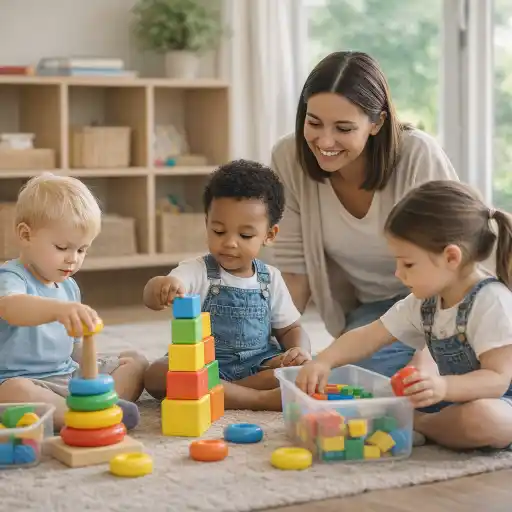
Why does summer enrichment matter for child care programs?
1. Summer helps prevent learning loss and keeps routines steady.
2. Active days build health, language, and social skills.
3. Low-cost summer activities lift family trust and program quality.
Why it matters: Children who keep doing small learning activities over the summer are calmer, more confident, and ready when school returns. Outdoor time improves focus and reduces stress — ideas you can adapt from ChildCareEd’s outdoor learning guide and the Minnesota DNR tips on how to teach outside: How To Teach Outside.
What simple summer enrichment activities work well in Minnesota?
Use short, repeatable activities that match the ages and energy levels. Keep group size, supplies, and time short so staff can manage easily.
- 🌱 Nature & gardening
- Plant quick pots (herbs, radishes). Track growth with stickers or simple charts. See nature-based ideas at ChildCareEd’s seasons article.
- 💧 Water and sensory play
- Water walls, pouring stations, and ice experiments keep kids cool and curious. Use guidance from ChildCareEd summer posts like Summer Smiles. For a supervised, curriculum-rich STEM activity that combines water play and basic engineering, consider a simple water rocket launch — see the step-by-step Build a Water Rocket.
- 🎨 Arts and loose parts
- Collect rocks, leaves, and sticks for art and math sorting. Simple supplies spark big learning — see Play, Explore, Grow.
- 🚌 Short field trips
- Visit nearby nature centers, libraries, or museums for 1–2 hour outings. Use planning tips from Field Trips in Minnesota.
- 🔬 STEM & active play
- Try simple science: sink/float, measuring water, building with loose parts. For ideas, see the STEM guide at No Time For Flashcards.
Tip: Make a weekly plan with 3 rotating stations: art, science, and gross-motor. Short blocks (15–30 minutes) work best for young children.
How do we keep outdoor and summer activities safe and comfortable?
Plan for heat, sun, bugs, and food safety. Use simple checks before each outdoor block.
- 🌤️ Check weather and air quality
- Look at temperature, heat index, and AQI before each outside time. The Minnesota Dept of Health and ChildCareEd emphasize checking conditions often.
- 🧴 Hydration and shade
- Offer water on arrival, before going out, and every 10–15 minutes when active. See hydration tips at the ChildCareEd hydration article.
- 🩹 Food and snack safety
- Follow local food safety rules from the MN Dept. of Health when serving and storing food on outings.
- 👀 Supervision and routines
- Use clear boundaries, a buddy system, and assigned staff zones. The Minnesota DNR guide How to Teach Outside has practical outdoor rules you can copy.
Quick checklist: water station, shade spot, sunscreen with parent permission, staff roles posted, first-aid kit. And again: state requirements vary - check your state licensing agency.
How can programs partner with families and community groups for affordable enrichment?
Work with families and local partners to widen learning without high costs. Small partnerships make a big impact.
- 🤝 Family invitations
- Invite parents to share a hobby, bring plants for the garden, or volunteer on a trip. ChildCareEd shows creative family engagement ideas in Family Engagement.
- 🏛️ Community partners
- Tap local libraries, parks, nature centers, and historical sites. Use the ChildCareEd list of community resources and the Minnesota field trip guide, Field Trips in Minnesota, to find contacts.
- 🌱 Local resources and grants
- Look for free programs from the DNR, local extension offices, or early learning centers like CELC (CELC Resources).
- 📸 Share learning with families
- Send weekly photo highlights, short notes, or a simple video of learning moments, so families see value in your summer schedule.
Work with families to confirm clothing, sunscreen rules, and health plans. Offer take-home kits (books, a small science activity) so learning continues at home.
How do we link summer activities to curriculum goals and staff training?
Summer play can meet learning goals when you plan tiny learning targets and document them.
- Set 1–2 learning targets per .day
- Examples: count seeds, name three insects, tell one story about the garden. Short targets help staff focus and document growth.
- Use loose parts and play for multiple skills.
- Blocks and nature items teach engineering, math, and language. See curriculum ideas at Play, Explore, Grow,w and school-age resources for school-age care.
- Train staff with short modules
- Choose 1–2 trainings: outdoor classroom basics (Creating the Natural Outdoor Classroom), hydration and heat safety, or curriculum mapping. ChildCareEd lists helpful courses for staff. For guidance on earning PAUs and CEUs during summer trainings, see PAUs and Summer.
- Document with photos and short notes
- A child's onchild'sld quote, and a teacher's note to show learning. Post a weekly board for families.
Why this matters: Small documentation keeps families informed, shows outcomes to licensing, and helps staff reflect on what works.
Conclusion
Summer enrichment in Minnesota can be simple, low-cost, and powerful. Start with: 1) three weekly stations (art, science, outside play), 2) one small garden or water station, 3) one short field trip or community visit, and 4) a family photo update each week. Use trainings and resources from ChildCareEd, the Minnesota DNR (Teach Outside), and the MN Dept. of Health for food and heat safety (Food Safety).
Common mistakes — and how to avoid them
- ❌ Over-scheduling trips. ✅ Keep outings short (1–2 hours).
- ❌ Not checking heat or AQI throughout the day. ✅ Check before every outside block.
- ❌ Forgetting simple documentation. ✅ Take 1 photo + 1 note per activity.
FAQ
- Q: How long should summer outdoor blocks be? A: 15–30 minutes for toddlers; 30–60 minutes for preschoolers, adjusted for heat and staffing.
- Q: Can we do water play every day? A: Yes, with shade, frequent breaks, a water-watcher, and parent permission for sunscreen or floats.
- Q: Where do I find low-cost field trips? A: Check local libraries, parks, community centers, and the ChildCareEd field trip guide: Field Trips in Minnesota.
- Q: Who trains staff for outdoor learning? A: Use short ChildCareEd courses like Creating the Natural Outdoor Classroom and local DNR workshops.
Small steps make a big difference. Try one new summer routine this week—share it with your team, involve families, and build from there. Your program and your #children will thrive.
- How To Keep A Healthy Class for Infants/Toddlers
- Bienvenido! Welcoming All Families
- 1,2,3, Eyes on Me: Classroom Safety
- CDA Bridge Bundle: Family Child Care without Portfolio Review
- CDA Bridge Bundle: Infant/Toddler without Portfolio Review
- CDA Bridge Bundle: Preschool without Portfolio Review
- Potty Training Made Simple
- CDA: Communication: Keep It Simple
- Texas Director Credential
- Summer Fun Meets Summer Safety: The Importance of Pediatric First Aid and CPR Training
- 10 Reasons this Summer to Take Pediatric First Aid and CPR with ChildCareEd
- CDA Certification en Español: Recursos y Consejos para Educadores Bilingües
- Recursos en Español sobre el Sueño Seguro del Bebé
- Proporciones de Cuidado Infantil y Tamaños de Grupo por Edad en Virginia (Guía Rápida para Centros y Hogares)
- How can we use nature-based learning through Minnesota's outdoor seasons?
- How can Minnesota grants and vouchers help child care providers?
- How can childcare programs protect young children in North Dakota from West Nile, ticks, and extreme heat?
- Cool Summer Fun: National Ice Cream Day Activities for Kids
- Canciones, juegos y preguntas de círculo para niños
- How can Minnesota child care programs keep kids safe during heat and poor air-quality alerts?
- How can North Dakota child care programs keep children safe from West Nile and tick-borne illness this summer?
- How can Michigan child care programs use CACFP and Summer Meals to keep children nourished when school is out?
- How can New York providers bridge the summer gap with year-round learning?
- How can Minnesota child care programs keep kids learning and engaged over the summer?
- How can SUN Meals and CACFP keep North Dakota children fed all summer?
- How can you turn summer days into learning moments at your Minnesota program?
- How can we build a Minnesota summer program that keeps school-agers engaged?
- How do Minnesota child care providers support child health and family stability?
- How can Minnesota child care providers celebrate National Ice Cream Day safely and with fun activities?
