Supporting toddler independence is a daily balancing act: children need meaningful opportunities to practice new skills without being overwhelmed by too many choices, difficult expectations, or excessive sensory input. This article helps child care directors and providers create calm routines, accessible learning spaces, and responsive adult strategies that allow toddlers to make simple decisions, participate in self-help tasks, and build confidence at their own pace. Small successes—such as putting on a jacket, pouring a drink, washing hands, or choosing a place on the rug—can reduce power struggles, strengthen developing skills, and improve classroom flow for children and staff. To deepen these practices, explore ChildCareEd’s self-paced online courses Environments That Inspire Independence and Exploration  Buy Now $55.00, which focuses on creating inclusive spaces that promote independence, curiosity, and emotional well-being, and Balancing Act: Schedules and Routines Buy Now $16.00, which helps infant and toddler educators design individualized routines that support skill development. Remember that state requirements vary, so always check with your state licensing agency.
1) How should the classroom environment invite independence without overstimulation?
- 🪑 Child-scaled access: low shelves, reachable hooks, small pitchers and brooms help toddlers succeed and avoid frustration. See practical ideas in Montessori Classroom Ideas for Child Care Providers and Building Independence. For a deeper look at how Montessori materials and sequential, child-sized tasks promote autonomy in the toddler years, see our Montessori for Toddlers: Fostering Independence and Learning guide.
- 🎯 Limit visual clutter: fewer materials per shelf keep attention on one task; rotate materials rather than overfill spaces.
- 🧭 Defined zones & clear sight lines: open paths for staff supervision with reachable materials in each zone—this supports "freedom within limits" while keeping children safe (Freedom Within Limits).
- 🔁 Sensory balance: include calming options (soft rugs, weighted lap pads, heavy-work activities) near active areas so toddlers can self-regulate without leaving the group.
- 📷 Use photos and labels: problem-solve with images showing where items belong; visual cues reduce adult prompts and build #routines.
When redesigning, observe children and change one variable at a time. For hands-on training about designing spaces that foster autonomy, consider Supporting Children's Independence Buy Now $24.00.
2) What routines and choice structures promote independence without overwhelming children?
- ⏱️ Predictable sequencing: use simple "First–Then" language (e.g., “First hands, then snack”) and consistent transitions to reduce anxiety. ChildCareEd highlights this strategy in their guide on building confidence and independence (How can we build confidence and independence).
- 🙂 Limited choices: offer 2–3 acceptable options ("red cup or blue cup?"). Small choices give control without decision fatigue and decrease automatic "NO" responses.
- 🔢 Step-by-step visuals: numbered pictures for routines (wash, dry, dry hands; put coat on hook) turn multi-step tasks into doable micro-tasks. CSEFEL's self-management tools show how visual charts support self-monitoring (CSEFEL What Works Brief).
- 🎵 Ritualize transitions: songs, timers, or a 3-step cleanup routine make endings predictable and often playful rather than confrontational.
- 🔁 Daily practice: embed self-help opportunities across the day—snack prep, dressing, and cleanup—so skills generalize across contexts.
Document small wins in daily notes and share them with families to reinforce practice at home. Remember: state requirements vary - check your state licensing agency when altering routines or materials.
3) What adult strategies scaffold independence while avoiding doing tasks for toddlers?
- 🧩 Break tasks into micro-steps: demonstrate one step, invite the child to try, then praise the specific action. For example: "Push sleeve, then slide hand" instead of "Put your arm in."
- 🤗 Co-regulate before coaching: name feelings, offer a calm presence, then teach the skill. Saying "You're upset about leaving the blocks" opens cooperation.
- 🕰️ Wait-time and silence: offer a prompt, then pause. Giving children time to attempt builds persistence and problem-solving.
- 🎯 Specific, effort-focused praise: "You kept trying to zip—that took practice!" reinforces process over innate ability and builds #teachers-student trust and a #growth mindset.
- 📋 Use self-management charts: small checklists or sticker charts let a child track progress and internalize routines; for implementation guidance, see CSEFEL and ChildCareEd's Supporting Children's Independence course (course Buy Now $24.00).
Scaffolding is an intentional fade: model, assist, observe, and then celebrate independent attempts. When adults resist the urge to rescue, toddlers gain competence and classrooms run more smoothly.
4) How do we individualize support so each toddler succeeds without overwhelm?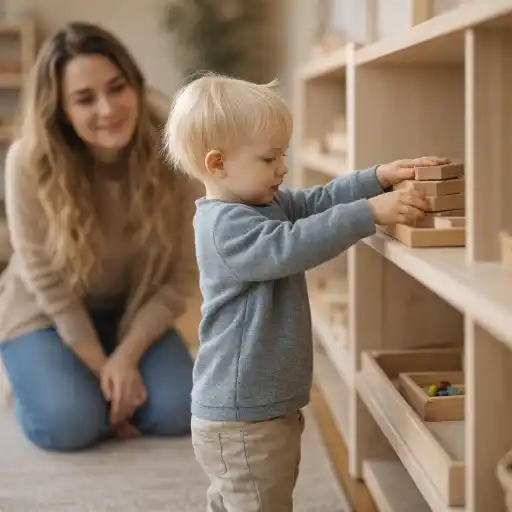
Individualization means matching support to the child's current needs—not a one-size-fits-all pace. Use observation and small experiments to find the "just right" challenge.
- 🔍 Observe first: note where a child pauses, asks for help, or repeats a step. Use short anecdotal notes or a running record from free observation resources.
- 🎯 Tiered supports: offer three levels—independent, partially supported (photo or model), and coached (hand-over-hand or verbal prompts). Rotate supports as the child grows.
- 🧠 Teach replacement skills: if a toddler often says "NO," teach phrases like "One more minute" or a simple sign for help (see ChildCareEd's article on handling the "NO" phase: How Can I Handle a Toddler Who Says “NO!”).
- 🔁 Use small, measurable goals: 1) pick a task, 2) break it into 3 steps, 3) practice twice a day—track progress for a week and adjust.
- 🤝 Coordinate with specialists when development concerns appear and consult free guides on typical vs atypical development (Typical & Atypical Development).
Individualization preserves dignity and prevents overwhelm: scaffold down demands, add supports, and celebrate micro-successes.
5) How can programs partner with families and avoid common pitfalls?
Consistent adult messages across home and program accelerate progress. Use a strengths-based, collaborative approach with families.
- 📣 Communicate with empathy: start with strengths, explain developmental reasons, then offer one simple strategy to try at home. See How to Gently Educate Parents for sample language.
- 🤝 Share one-page tools: drop-off notes, a photo-step chart, or a short video demonstrating a skill. ChildCareEd provides printable resources and training that translate easily to families.
- ❌ Common mistakes to avoid:
- 🛑 Doing the task for the child when they can try—prompt one step and wait.
- 🧠 Setting expectations too high—match tasks to developmental level.
- 🎯 Praising only results—celebrate effort and process.
- 📚 Offer consistent coaching: invite caregivers to a 5-minute demo during pickup, or send home one suggested phrase (e.g., "You can try it first; I can help after one minute").
- 🔁 Align expectations across staff: use brief team huddles to ensure consistent wording and choices so toddlers get the same message from every adult.
FAQ (quick answers for busy staff):
- Q: How many choices are too many? A: Limit to 2–3 options; toddlers overwhelm at more than three.
- Q: When should staff step in physically? A: If safety is at risk or the child is dysregulated, otherwise use prompts and wait-time.
- Q: What if parents want different routines at home? A: Validate their choices, share rationale, and offer one bridge strategy to try together.
- Q: How fast will skills appear? A: Progress is gradual—celebrate micro-steps and document growth.
Conclusion
Supporting toddler independence without overwhelming them requires intentional environment design, predictable #routines, targeted scaffolding by #teachers, and strong family partnerships. Use small choices, visual steps, and consistent language. Observe, adjust, and celebrate tiny wins—those stacked micro-successes create big changes in #toddlers' competence and classroom climate. For practical support and training, explore ChildCareEd’s articles and courses like Supporting Children's Independence Buy Now $24.00 and the practical guides referenced above. Remember: state requirements vary - check your state licensing agency before changing program policies or materials.
Teachers must intentionally scaffold—provide the minimal help needed and then step back. Practical tactics include: Routines are the scaffolding of toddler independence. Aim for predictability, small choices, and visual supports so toddlers can anticipate and practice steps.Design choices set the stage for success. Key principles include:
- 45 Hour Child Growth and Development
- Student Success: Expectations & Independence
- 45 Hour Infant and Toddler Methods and Materials
- Pediatric RSV First Aid & CPR/AED
- CDA Bridge Bundle: Family Child Care without Portfolio Review
- CDA Bridge Bundle: Infant/Toddler without Portfolio Review
- CDA Bridge Bundle: Preschool without Portfolio Review
- Balancing Act: Schedules and Routines
- Creating Engaging and Meaningful Learning Experiences
- Texas Director Credential
- Montessori for Toddlers: Fostering Independence and Learning
- CDA Certification en Español: Recursos y Consejos para Educadores Bilingües
- 🔍 ¿Qué ves cuando observas a un niño aprender?
- 💛🧩 ¿Cómo puedo hacer que mi enseñanza sea inclusiva para los niños con autismo?
- Recursos en Español sobre el Sueño Seguro del Bebé
- Proporciones de Cuidado Infantil y Tamaños de Grupo por Edad en Virginia (Guía Rápida para Centros y Hogares)
- ¿Cuál es la Diferencia Entre la Crianza Respetuosa y la Crianza Permisiva?
- How can New York childcare providers build self-confidence in toddlers?
- Canciones, juegos y preguntas de círculo para niños
- Cómo simplificar la capacitación para sus empleados de daycare
- How Can We Support Toddler Independence Without Overwhelming Them?
- How Can You Create a “Yes Space” Where Infants and Toddlers Explore Safely?
- How Can Child Care Programs Reduce Decision Fatigue for Children and Educators?
- How Can Toddlers Participate in Cleanup Without Being Expected to Clean Perfectly?
- What Should a 2-Year-Old Be Learning at Daycare?
- How Do Classroom Jobs Build Responsibility and Confidence in Toddlers?
- Getting to Know Toddlers: The Questions That Help Teachers Support Their Needs
- How Can You Create a Visual Schedule Preschoolers Will Actually Use?
- How Can Preschool Teachers Build Independence Without Giving Too Much Help?
