Introduction
Child care providers and directors want children to feel able and ready to try things on their own. When children have confidence and #independence they take safe risks, try new skills, and enjoy learning. This short guide gives simple ideas you can use in your program today. You will see links to helpful ChildCareEd resources that go deeper when you want more detail, for example Raising Capable Kids and the Supporting Children's Independence  Buy Now $24.00 course.
Why it matters:
1) Confident children try again after mistakes and learn faster. 2) Independent children can join routines and follow classroom rules more easily. 3) Programs with clear steps for independence help teachers spend more time teaching and less time doing tasks for kids. For research-based ideas see CSEFEL and our training on expectations and independence Student Success: Expectations & Independence Buy Now $16.00.
Note: state requirements vary - check your state licensing agency.
Why does building confidence and independence matter for young learners?
1) Confidence helps children try new things. When a child believes "I can try," they keep trying. This builds #confidence and leads to real learning.
2) Independence helps routines run smoothly. Children who can do small tasks by themselves free teachers to support learning for the whole group. ChildCareEd explains why independence links to readiness for kindergarten in Supporting Children's Independence Buy Now $24.00.
3) Independence and self-help skills protect children's self-esteem. Kids who learn to zip, pour, or clean up feel proud. The Practical Life—Pouring with Purpose Buy Now $0.00 activity is a good example that builds fine motor skill, focus, and pride.
4) Strong self-regulation and executive skills help children manage emotions and behavior. Use short games to build these skills, as shared in Executive function in preschool. Those skills support learning and friendships.
5) When classrooms support independence, children learn to solve small problems themselves. That builds both #selfregulation and lasting independence. Programs like Montessori model this well; read more in Why We Love Montessori.
How can routines and environment help children practice independence?
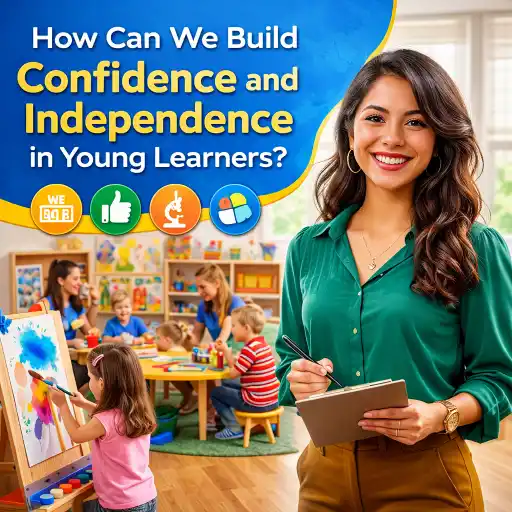
1) Make the room easy to use: low hooks, labeled bins, and child-sized tools invite children to help. Montessori-style setups work well; learn simple ideas in Why We Love Montessori and practical life activities like Pouring with Purpose Buy Now $0.00.
2) Use predictable routines with pictures and steps. Numbered steps help children learn tasks one part at a time. The CSEFEL self-management approach shows how charts and photos teach kids to check their own work: CSEFEL What Works Brief.
3) Offer choices (but keep them small). For example, let children choose between two songs or two snack bowls. This builds decision-making without overwhelming them.
4) Create classroom jobs and rotate them. Jobs like table helper, line leader, or plant waterer give practice with responsibility and build #teachers trust in children.
5) Provide child-sized materials for success. A small pitcher, low broom, or Velcro shoes let children do tasks without help. If you want ready-made activities, see the Supporting Children's Independence course here Buy Now $24.00.
state requirements vary - check your state licensing agency when changing room setup or materials.
What teacher strategies build real confidence in children?
1) Use encouraging, specific language. Say, "You worked hard to zip your coat!" instead of just "Good job." Praise effort and steps, not only the result. This builds a #growth mindset and helps children keep trying. See more on growth mindset at How to Foster a Growth Mindset.
2) Scaffold tasks: break a job into small steps, show one step, then let the child try. Use pictures or a simple checklist so the child can see progress. CSEFEL gives an easy step-by-step way to teach self-management with visual charts: CSEFEL.
3) Let children make safe mistakes. When kids try and fail, name what happened and ask, "What could you try next?" This teaches problem-solving and builds #children's confidence.
4) Co-regulate when needed. If a child is upset, get down to their level, breathe together, and offer a small helping phrase. Then step back so they can try again. Heavy work activities can help calm big feelings; see Heavy Work Activities Buy Now $0.00.
Common mistakes and how to avoid them:
- ✅ Doing the task for the child when they can try a bit. Instead, offer one small prompt and wait.
- 🧠 Setting expectations too high. Match tasks to the child's stage and celebrate small steps.
- 🎯 Praising ability instead of effort. Say what the child did, not just "You're smart."
Which activities and games help children gain skills for independence?
1) Short, regular activities build executive skills and self-control. Try games from ChildCareEd like "Red Light, Green Light" or "Simon Says" to practice stopping and listening; see Executive function in preschool.
2) Practical life tasks: pouring, buttoning, sweeping, and snack prep teach motor skills and pride. Use step-by-step setups like Pouring with Purpose Buy Now $0.00.
3) Self-management charts: 1) pick a routine, 2) show steps with pictures, 3) let the child mark progress. Over time the child uses the chart less and does the task independently. CSEFEL explains how to teach this: CSEFEL.
4) Heavy work and calming activities help children focus and regulate feelings before they try a task. See ideas in Heavy Work Activities Buy Now $0.00.
5) Daily practice beats one-time lessons. Make independence part of every day: dressing, snack, clean-up, and line time are chances to practice. Study lessons on adaptive skills show how these small steps add up: Supporting Adaptive Skills.
FAQs
- Q: How fast should children learn a task?
A: Children learn at their own pace. Break tasks into small steps and celebrate each step. - Q: What if a child refuses to try?
A: Offer a choice of two easy tasks and use a calm routine. Sometimes practice with a peer helper helps. - Q: How do I include safety rules when giving independence?
A: Teach the safety step first, model it, then let the child do the safe parts by themself. - Q: Can I expect diapers or nap help to stop right away?
A: No. Independence grows over time. Use small goals and partners (family and teachers) for consistency.
Conclusion
Building #confidence and #independence is a step-by-step job. Use simple routines, child-sized tools, encouraging words, and short games every day. Track progress with pictures or charts and celebrate small wins. When adults support children with kindness and clear steps, children gain skills that last a lifetime. For more tools and courses, visit ChildCareEd resources like Supporting Children's Independence Buy Now $24.00 and Raising Capable Kids.
Remember: #teachers make a big difference by believing children can try. state requirements vary - check your state licensing agency.
- Creativity & Logic Activities
- Teaching with Purpose
- 🔍 ¿Qué ves cuando observas a un niño aprender?
- 👶 ¿Cuáles son las proporciones y grupos requeridos en Dakota del Norte? 🏫
- Apoyo en Español para Capacitaciones Grupales Presenciales y por Zoom en Cursos Selectos
- How can New York childcare providers build self-confidence in toddlers?
- Canciones, juegos y preguntas de círculo para niños
- How Can North Dakota Providers Encourage Independence in Young Children?
- How can child care programs help children build confidence and independence?
- How can we set simple resolutions and goals with preschoolers?
- Is the Lost Art of Letting Children Figure It Out Worth Rediscovering?
- Can Everyday Responsibilities Help Children Develop Confidence?
- What Cultural Differences Can Be Mistaken for Behavior Problems in Child Care?
- How Do You Explain Ego to a Child Without Making It Sound Like a Bad Thing?
- How Can Child Care Programs Build Meaningful School Readiness?
- How Can Teachers Support Children Starting Kindergarten This Fall?
