Preschoolers begin learning about the world by exploring the people, traditions, families, and communities around them. ChildCareEd’s Families, Communities, and Classrooms: Working Together for Children  Buy Now $55.00 self-paced online course helps educators recognize diverse family characteristics, build meaningful family partnerships, and create classrooms where every child’s background is respected and represented.
In this article, you’ll discover engaging preschool social science activities that introduce children to community roles, family structures, cultures, traditions, and the ways people live and work together. These hands-on ideas encourage curiosity, belonging, respect, and a stronger understanding of the world children share.
1. How do social science activities help children learn who they are and who they belong with?
Social science supports identity and belonging by making abstract ideas concrete. Activities that invite children to share family photos, tell a short story about home, or place a sticker on a classroom map help them locate themselves in relation to others. Benefits include:
- 🔎 Increased self-awareness: when children describe family routines or favorite foods they practice vocabulary and narrative structure (see Celebrate Every Family).
- 🤝 Stronger peer bonds: sharing family stories and classroom jobs builds empathy and cooperative skills.
- 🗣️ Communication growth: describing people, places, and events expands expressive language.
- 🌍 Civic beginnings: learning about helpers and neighborhoods fosters respect for roles and places (Community Helpers).
When planning, aim for short, repeated experiences (daily check-ins, weekly family shares) so children practice and generalize new ideas across contexts. Use the hashtagged goals below to keep your planning focused: #culture #belonging #community #families #preschoolers
2. What classroom activities bring family, culture, and community to life?
Here are concrete, age-appropriate activities you can implement with minimal prep. Use enumeration and rotate centers so children revisit ideas regularly.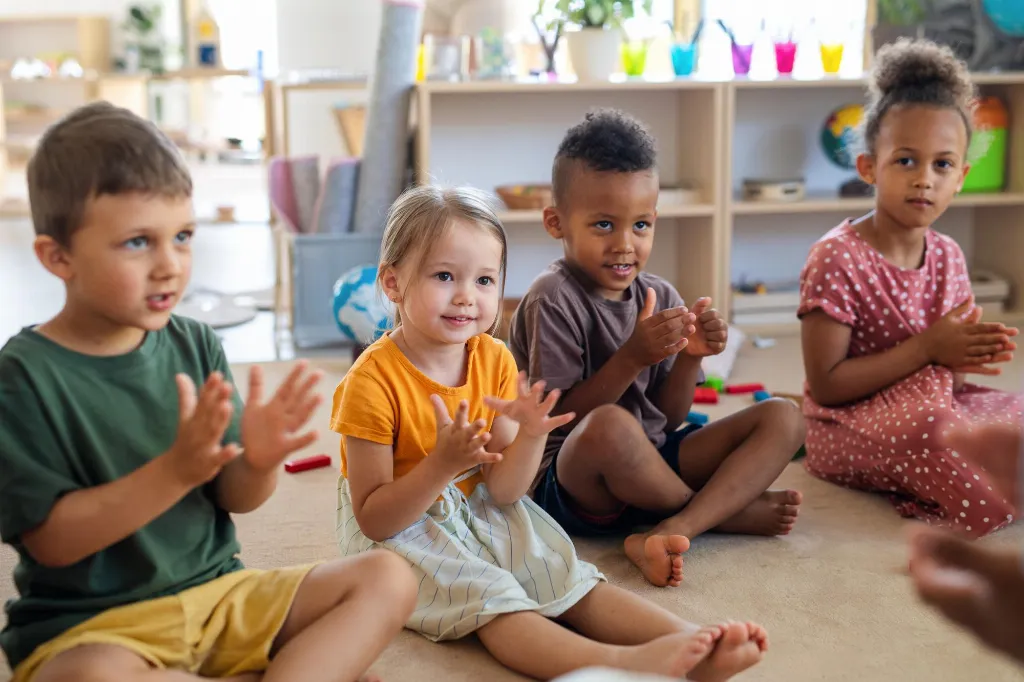
- 🎴 Family Picture Discussions
- Invite families to send a photo or allow children to draw one. Ask 2–3 open prompts: “Who is here?” “What do you do together?” Document with a short caption and display (Celebrate Every Family).
- 🚑 Community Helper Dramatic Play
- Set up rotating helper stations (post office, clinic, market). Provide props and simple scripts to scaffold play—adult model then fade (Community Helpers).
- 🧰 Classroom Jobs
- Create daily/weekly jobs so each child practices responsibility and belonging; see job lists and rotation methods (Preschool Classroom Jobs).
- 🗺️ Map Activities
- Floor maps, simple neighborhood treasure hunts, or “Where I live” pins let children locate home, school, and favorite places (adapted from Exploring the World and Children and Place).
- 🎶 Cultural Music & Stories
- Play short music clips, invite family story recordings, and use books that show everyday life from many cultures (Fun Multicultural Activities).
- ✨ Tradition Sharing & Kindness Projects
- Offer voluntary sharing prompts about celebrations or a class kindness project (cards for local partners) to connect empathy with community action (World Kindness Day).
3. How do you plan inclusive, developmentally appropriate units that build belonging and respect?
Use a simple, repeatable planning sequence to make social science accessible and culturally responsive. Follow these steps:
- Plan a 2–3 week mini-unit focused on 1 theme (e.g., Families & Home; Community Helpers; Traditions). Keep goals narrow: vocabulary, perspective-taking, and cooperative play (Preschool Curriculum).
- Gather materials: photos, real objects, multilingual labels, map, costumes or props (everyday clothing is best) and books that reflect diverse families (Multicultural Activities).
- Sequence learning: whole-group anchor (5–10 min), small-group centers (20–40 min), and child-led dramatic play. Repeat anchor daily with slight variations to build memory.
- Differentiate: use visuals and choices for children who need more support; add open-ended prompts for those ready to extend.
- Document & reflect: collect drawings, photos, and short child quotes. Use evidence to inform next steps and share progress with families (Facilitating Learning resources).
Plan family-facing communications with options (photo, audio, or notes) so participation is voluntary and respectful. Keep in mind confidentiality and privacy—always get permission before displaying family materials. State requirements vary - check your state licensing agency for any documentation or visitor policies.
4. How can providers involve families and community partners safely and respectfully?
Family and community engagement makes lessons authentic. Use these practical steps drawn from ChildCareEd guidance:
- 📣 Invite participation with flexible options: photos, recordings, short in-class visits, or virtual clips. Provide clear directions and an easy timeline (Celebrate Every Family).
- 🧾 Handle permissions and safety: create brief permission forms for photos, visits, and field trips. Follow licensing rules—state requirements vary - check your state licensing agency (Community Helpers).
- 🤝 Build reciprocity: offer a thank-you note or a small class product to guests. Keep visits short and well-scaffolded for young attention spans.
- 🌐 Use community resources: local libraries, fire stations, or community leaders can offer low-cost learning moments; prepare children with preview activities and follow-up play (Scholastic: Preparing for Preschool).
Be mindful of families’ privacy and schedules. Offer translated materials or picture forms to include caregivers with limited English—ChildCareEd’s family-engagement resources offer templates you can adapt (Family Engagement resources).
5. How do you assess learning, avoid common mistakes, and adapt for diverse learners?
Assessment should be simple, strengths-based, and observable. Combine quick checks with documentation and reflection.
- Assessment tools
- 1) Quick checklist (participation, vocabulary use, cooperative behavior).
- 2) Work samples: drawings, family-photo captions, map stickers.
- 3) Short anecdotal notes: one-line observations after centers.
- Common mistakes and fixes
- ⚠️ Mistake: Forcing cultural performance. Fix: Emphasize everyday routines and optional sharing (Multicultural Activities).
- ⚠️ Mistake: Overusing costumes/stereotypes. Fix: Use real photos, items from home, and teacher-led context (Precious Children).
- ⚠️ Mistake: One child representing a whole culture. Fix: Use books, multiple family voices, and community resources instead.
- Adapting for needs
- • Use visuals, extra processing time, and role choices (observer/helper) for children who need support.
- • Offer calm corners and shorter activity rounds for sensory needs.
Summary: What should you start doing this week?
- ✨ Choose one 2-week theme (families, helpers, or neighborhood) and map 3 simple learning goals.
- 🎯 Launch one anchor routine (family-photo share or map moment) and repeat it daily for consistency.
- 🤗 Invite one family contribution (photo or song) with an easy permission form and keep participation optional.
- 📸 Document small wins—one photo and one child quote each week to share with families.
For ready-made activities and staff training, explore ChildCareEd resources like Exploring the World, Community Helpers, and Celebrate Every Family. Your intentional, inclusive planning will help children build belonging, respect, communication, and curiosity about people and communities.
FAQ
- Q: How long should a social science block be for preschoolers? A: 10–30 minutes for anchors and 20–45 minutes for centers depending on age and attention.
- Q: Can I do a community helpers theme without visitors? A: Yes—use photos, pretend play props, and short videos; invite recorded family contributions (Community Helpers).
- Q: How do I include children who are not comfortable sharing family details? A: Offer drawing or classroom-made photos as alternatives and make sharing voluntary (Celebrate Every Family).
- Q: Where can I find book lists for multicultural stories? A: ChildCareEd’s resources and Scholastic’s Preparing for Preschool: Social Studies lists are excellent starting points (Scholastic).
- 45 Hour Child Growth and Development
- CDA Preschool Credential with Portfolio Review
- Beyond the Classroom: Connecting Families to Essential Services
- CDA Bridge Bundle: Family Child Care without Portfolio Review
- CDA Bridge Bundle: Preschool without Portfolio Review
- 45-Hour Infant and Toddler Curriculum
- Creating Environments that Nurture Growth and Community
- Texas Director Credential
- Montessori Cultural Activities: Exploring the World Through Play and Learning
- How Can Childcare Educators Thrive in the Big Apple?
- ¿Cómo hacer actividades navideñas inclusivas para todas las familias?
- Actividades de Fiesta para Niños de Preescolar y Primaria
- How to Write an Early Childhood Lesson Plan Step by Step
- How to Celebrate Cinco de Mayo in Your Center or Daycare
- Which Oklahoma Farms and Ranches Offer Preschool Field Trips That Teach About Animals and Community?
- Calabazas, hojas y manzanas: actividades de otoño para preescolares
- How can I start a small garden project with New York preschoolers?
- How can childcare programs meaningfully explore Japanese culture with young children?
- How Can You Celebrate Black Culture and Music Effectively in Your Program?
- How Can Farm-to-Table Experiences Teach Toddlers Where Food Comes From?
- How can I create clubs and interest groups for school-age children?
- How can I introduce inspiring women to preschoolers?
- 15 Around-the-World Activities Toddlers Can Explore Through Play
- Why Do Bilingual Classroom Activities Matter for Dual Language Learners?
- Rosh Hashanah Kindergarten Lesson Plans: 5 Days of Apples, Kindness, and New Beginnings
- How Can Child Care Providers Support Individual Differences in Development?
- How Can We Celebrate Every Family and Create a Classroom Where Everyone Is Represented?
- What Are Age-Appropriate Ways to Honor Latino Cultures in the Classroom?
- How Can Child Care Providers Teach Holiday Vocabulary with Context and Care?
