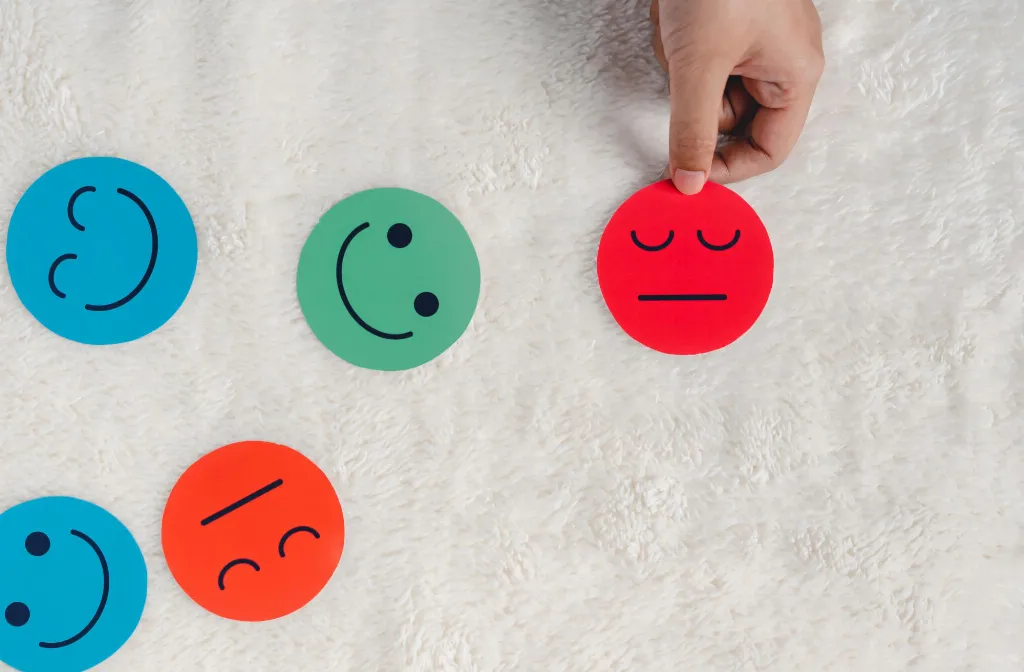
 Emotion-sorting activities are simple games that help children notice feelings, name them, and try calm strategies. These hands-on tasks support early #emotions, help #preschoolers build words for feelings, strengthen #SEL skills, teach #sorting as a learning habit, and teach ways to be #calm when feelings are big. Use short, playful practice so children can try and keep trying.
What is emotion sorting and why does it help?
Emotion sorting is a way children group pictures, toys, or actions by the feeling they show—like happy, sad, mad, scared, or calm. It uses play and basic matching. Children like it because it feels like a game and it uses the same skills they use in math and puzzles. You can also tie sorting into calendar events by celebrating National Puzzle Day with simple puzzle activities that reinforce matching and problem-solving while practicing emotion vocabulary.
Why it matters:
- 1) It builds emotion words. When kids match a face to “sad” they learn that word and can use it later.
- 2) It teaches noticing clues. Children learn to look at faces, voices, and body shape to guess feelings.
- 3) It supports self-regulation. Sorting can include “what helps” boxes (breath, hug, drawing) so kids learn next steps.
Try short sessions (3–5 minutes) and play often. You can find ready ideas and printable sets in Emotion Sorting Activities Birth–Kindergarten Buy Now $0.00 and read why teachers love these games in Big Feelings, Little Hands.
How do I set up easy emotion-sorting activities in my classroom?
Keep it low-prep and kid-friendly. Here’s a simple step-by-step plan you can use right away.
- Gather materials: picture cards or photos, paper plates or bins, toys or stuffed animals, tape for floor labels. You can use items in this ChildCareEd resource Buy Now $0.00.
- Choose 2–4 emotions to start (happy, sad, mad, calm).
- Model once: show a card, say the word, and place it in the matching bin.
- Invite children to sort: let each child place one or two cards.
- Ask one short question: “What might help this feeling?” and place a calm tool card in the bin.
Try these activity ideas:
- 😊 Emotion Basket Grab — kids pull a card and put it in an emotion home.
- 🧸 Stuffed Animal Feelings — children give animals a feeling and explain or act it out.
- 📷 Photo Sort — real faces help children learn that emotions look different on everyone. See examples in Emotions Sorting Activity (Mixed Ages) Buy Now $0.00.
Classroom tips: keep materials in one place, practice during calm times, and repeat. Also remember: state requirements vary - check your state licensing agency.
How do I adapt sorting for different ages and needs?
Adapt by age and by the child’s comfort. Use fewer choices for younger children and add depth for older children.
- Infants (0–12 months): model words and faces. Hold one face card, name the emotion, and match your tone. Short, warm routines help more than games.
- Toddlers (1–2 years): use two feelings first (happy/sad). Use large pictures or mirrors. Try a quick mirror game: “Show me happy!”
- Preschool (3–4 years): add more feelings (scared, surprised, proud). Ask simple “what happened?” questions. Use role play and playdough faces — see Emotions Playdough Activity Buy Now $0.00.
- Pre-K/Kindergarten (4–6 years): sort by size of feeling (small/medium/big), link feelings to actions, and practice problem-solving: “What could you do next time?”
Support diverse learners: use photos of your classroom children, add visuals, give choices (point, show, or act), and use familiar language. For mixed-age groups, let older children help younger ones. Tools like My Book of Emotions Buy Now $0.00 work well across ages. Research and practical briefs from centers like CSEFEL also offer helpful tips for transitions and supports.
How do I teach coping skills and avoid common mistakes?
Pair sorting with calm strategies so children learn what to do when feelings are big. Build a cozy space and put calming tools with the activity.
- 🧘 Create a Calm Corner with soft items, a feelings chart, and calm tools (breathing cards, squeeze ball). See ideas in Calming Corners.
- 🎨 Use hands-on tools: playdough faces, drawing, or sorting calm-down cards. The Emotions Playdough Activity Buy Now $0.00 gives sensory calm and practice naming feelings.
- 🗣️ Teach one or two quick strategies: three deep breaths, counting to five, or asking for help. Practice them after sorting so kids remember what to do.
Common mistakes and fixes:
- ❌ Mistake: Teaching only when upset. ✅ Fix: Practice during calm times so kids can use the skill later.
- ❌ Mistake: Too many feeling choices at once. ✅ Fix: Start with 2–3 and add slowly.
- ❌ Mistake: Saying “You’re not mad.” ✅ Fix: Validate and offer a card: “You might feel mad. Let’s look at the cards.”
FAQ for busy classrooms:
- Q: What if a child chooses the “wrong” card? A: Ask “Tell me about your choice” and model gently.
- Q: Should I force talking about feelings? A: No. Offer choices: point to a card, show a face, or sit quietly in the calm corner.
- Q: How long should a session be? A: Keep it short—3–7 minutes—many times a week.
- Q: Can this help behavior? A: Yes. Naming feelings and practicing calming tools supports better behavior over time. See more ideas in How to Support SEL in the Classroom.
Keep the work playful, routine, and gentle. Praise effort and skill: “You named that feeling!” and “You tried a calm breath!” For more activities and printable sets, explore ChildCareEd's emotion resources such as Emotions Sorting Activity Buy Now $0.00 and Emotion Sorting Activities Birth–Kindergarten Buy Now $0.00.
Conclusion
Emotion-sorting activities are easy, low-cost tools that help children learn feelings, build #SEL vocabulary, and practice calm strategies. Use short, regular practice, adjust for age and needs, and pair sorting with calm tools like a cozy corner. Your consistent, kind modeling makes the biggest difference. Remember: state requirements vary - check your state licensing agency.
- Teach with Respect ONLINE
- Early Emotional Wellness
- Birth to Five CDA Credential with Portfolio Review
- Art from the Heart for Preschoolers: Open Ended Art Projects that Build Self-Esteem
- Brighter Futures: Social Emotional Development
- Texas Director Credential
- Wellness in Action: Teaching Healthy Habits to Children
- Growing the Whole Child: Health, Emotions & Early Learning
- Environments That Inspire Independence and Exploration
- Every Moment Matters: Schedules and Transitions
- CDA Certification en Español: Recursos y Consejos para Educadores Bilingües
- Cómo Abrir Una Quardería En Casa Sin Dinero?
- Cómo Celebrar el Día Nacional del Kindergarten
- Lista para Guardería en Casa en Illinois: Cómo Iniciar una Guardería en el Hogar
- How can positive guidance help manage big feelings during indoor play in Oklahoma classrooms?
- Emotion Sorting Activities for Social-Emotional Learning
- How to Teach Feelings with an Emotion Sorting Activity
- Emotion Sorting for Kids: Learning Feelings Through Play
- Can we tame the ‘monsters’ of big emotions in young children?
- How can friendly-monster crafts teach children about feelings?
- How can we help children identify and express emotions in child care?
- How can child care providers teach children to name and manage emotions?
- How can we build emotional vocabulary through books and play?
- Feelings Activities for Toddlers: Building Social and Emotional Skills
- Happy or Sad? Preschool Activities That Help Children Read Emotional Clues
- How Can Child Care Providers Teach Feelings to Preschoolers Through Simple Activities?
- How Can You Help a Child Hold Two Feelings About the Same Event?
- How Can Providers Use Feelings Pictures with Autistic Children Without Making Assumptions?
- How Can Child Care Providers Help Children Repair a Conflict Beyond “Say Sorry”?
- How Can Emotion Sorting Help Preschoolers Explain What Happened?
