Introduction
This article helps child care leaders and teachers make a warm, fair, and welcoming space for every child. An inclusive #classroom means each child feels safe, seen, and able to join learning and play. You will find simple steps you can use today. Remember: state requirements vary - check your state licensing agency.
We use easy ideas from practice and tools you can try right away. For more background on the big picture of inclusion, see Creating Inclusive Classrooms Where Every Child Belongs and practical tips on daily routines at Inclusive Practices in Early Childhood Education.
What is inclusion and why does it matter?
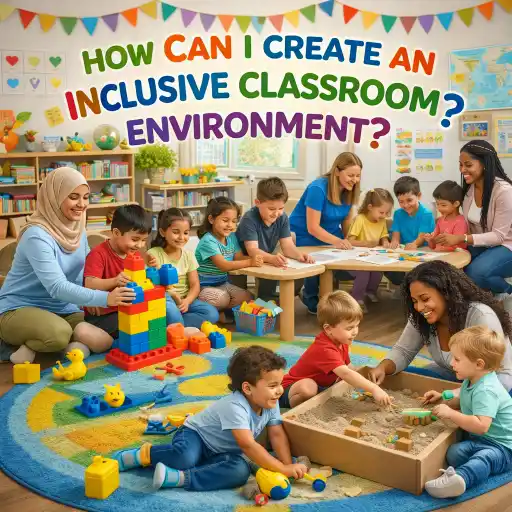
Inclusion means everyone can join and belong. It is about access, respect, and effort by adults. Why it matters:
- 🧩 It helps children learn social skills and #empathy. See research-backed ideas at Inclusive Practices.
- 👍 It improves learning because kids who feel safe can focus more.
- 🌍 It builds respect for #diversity and home languages. For multilingual benefits, read Multilingual Access to Childcare.
- ⚖️ It follows laws and rights. Administrators can learn more at CSEFEL.
Why it matters for you: inclusion strengthens family trust, lowers behavior problems, and makes your program a place families want. For public health and disability inclusion ideas, see CDC Disability Inclusion.
How can I arrange the room so every child can join?
An organized room is the easiest place to start. Small layout changes act like a second teacher. Try these steps:
- 🟢 Make clear centers: label areas with pictures and words so children know where to go (classroom changes guide).
- 🔵 Create a calm corner with soft lighting and a few sensory items. Add visual rules and a quiet sign.
- 🟣 Keep paths open for walkers and wheelchairs. Place noisy activities away from quiet spots.
- 🔸 Put materials on low shelves for child access and use baskets for easy clean-up.
- 🔹 Use visuals at child eye level: daily schedule, labels, and choice boards. For visuals and autism supports see Visual Supports.
Numbered setup plan:
- Choose a center location.
- Pick 3–6 easy materials.
- Post a simple visual rule.
What teaching strategies help diverse learners each day?
Teaching for inclusion means giving many ways to learn. Use the Universal Design for Learning idea: offer choices in how children engage, learn, and show what they know. Try these classroom steps:
- 🎯 Offer choices: 1–2 activity options so children join in ways that fit them.
- 📚 Use books and materials that reflect many families and cultures. ChildCareEd has great multicultural activity ideas at Celebrate Every Family.
- 🖼️ Add visuals: schedules, picture steps, and emotion charts to lower confusion.
- 🧩 Break tasks into small steps with checklists or picture prompts.
- 🔈 Offer sensory supports: quiet corner, headphones, or movement breaks. See sensory diet ideas at SensorySmarts.
- 💬 Use home language support: greetings, labels, and bilingual signs. For multilingual benefits see Indiana Univ. resources.
Keep records of what works, share with staff, and include these notes in planning meetings.
How can I partner with families and avoid common mistakes?
Families are experts about their children. Good partnerships make inclusion last. Use these steps:
- 🤝 Invite families to plan events and share ideas. Use the checklist from Creating Inclusive Events.
- 📣 Communicate often and in family languages. Offer translated materials when needed.
- 📝 Ask simple questions: What helps your child at home? What should we know?
- ✅ Share one strength and one small goal at drop-off or in a daily note.
Common mistakes and how to avoid them:
- ❌ Mistake: Not involving families. Fix: Ask one family to co-plan a small activity.
- ❌ Mistake: Expecting children to change to fit the room. Fix: Change materials and routines instead.
- ❌ Mistake: Using too many complex visuals. Fix: Keep images simple and consistent.
Summary and FAQ
Small, practical changes make a big difference. Start with 1–3 steps: a visual schedule, a calm corner, and more diverse books. Track what helps and share wins with your team. For trainings and deeper tools, ChildCareEd offers courses like Diversity, Equity, and Inclusion in Education Buy Now $25.00 and Supporting Social Learning Buy Now $35.00.
FAQ
- Q: Where can I get visuals?
A: Make photos or use printable guides from ChildCareEd and visual-support books linked above. - Q: Who pays for adaptations?
A: Many ideas are low-cost. For bigger needs, check local inclusion coaches and state supports. - Q: How do I include home languages respectfully?
A: Use greetings, labels, and invite families to share words. Never force a child to translate. - Q: What if staff feel unsure about inclusion?
A: Start small, model one strategy, and book a team training. See ChildCareEd courses above.
Thank you for caring. Your choices help every child belong in your #classroom and community. Keep learning, reflecting, and celebrating each child and family.
- 45 Hour Child Growth and Development
- Building Equity: Inclusionary Practices in Preschool
- Bienvenido! Welcoming All Families
- Classroom Setup for Child Care
- Effective Approaches for Autism and Inclusion
- Equity in Action with Head Start
- Texas Director Credential
- Access for All: Inclusion and the ADA
- The Prepared Environment: Montessori Class Design
- Specialized Child Care for Special Needs
- Building Social Foundations
- ChildCareEd’s Montessori Curriculum Training
- How Neurodivergent Kids Shine During the Holidays
- Canciones, juegos y preguntas de círculo para niños
- Cómo simplificar la capacitación para sus empleados de daycare
- What small changes make child care classrooms feel more welcoming?
- How can we create classrooms where every child feels represented?
- How can you design childcare spaces for flexible learning?
- Home Daycare Ideas That Make Your Space Feel Safe, Fun, and Professional
- How Can Child Care Providers Create Sensory-Friendly Learning Spaces for All Children?
- How Can We Celebrate Every Family and Create a Classroom Where Everyone Is Represented?
- How Can Classroom Environment and Arrangement Support Young Children’s Learning?
- How Can Child Care Providers Design Learning Centers That Support Play and Development?
- How Can Child Care Providers Create Effective Learning Centers in Small Spaces?
- How Can Child Care Providers Create Print-Rich Early Childhood Environments?
- What Does a Neurodiversity-Affirming Classroom Look Like?
