Working with young learners means making group time fun, fair, and full of learning. This article helps busy directors and providers plan group activities that keep kids interested, calm, and growing. You will find clear steps, easy tools, and links to trusted resources like ChildCareEd so you can try ideas right away. Engaging your #children in #group time improves everyone’s day: it boosts learning, builds friendships, and lowers behavior problems. For rules and licensing, state requirements vary - check your state licensing agency.
1) How do I plan group activities that get every child involved?
- 🎯 Pick one clear goal (skill or idea) — keep it tiny. See quick templates at How can I plan small group activities for preschool fast?.
- 🧰 Choose 2–3 short activities: warm-up (30–60 sec), main task (6–10 min), and a 1–2 minute wrap-up.
- 📦 Prep a tub with all materials and a short script. Prep tubs speed transitions and reduce stress — learn more at Small Group Planning.
- 🕒 Set a timer and a rotation chart. Small groups should be 4–6 children for best focus.
- ✍️ Note one quick observation after each group: what worked, who needs more practice.
Keep activities playful. Use games, props, or a short story to fit your goal — ideas from Circle Time Ideas and play-based learning research at Playful Learning can spark ideas.
2) How should I set up space, materials, and transitions so group time runs smoothly?
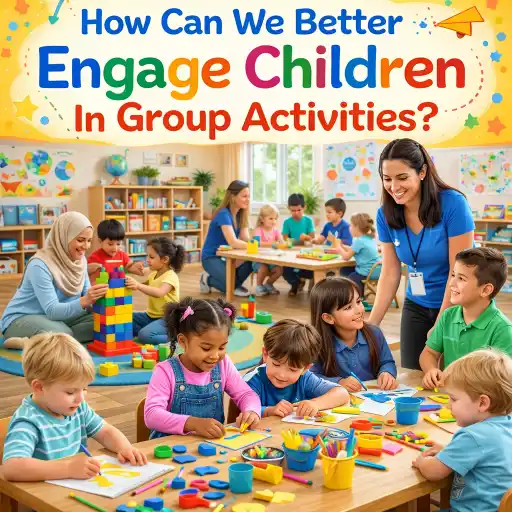
Environment and transitions make or break group time. Try these steps:
- 📍 Create fixed group spots (same rug square or table) so children know where to go.
- 📦 Keep one prepared tub per group slot. Label with photo and script — saves setup minutes.
- 🔔 Use predictable cues: a song, bell, or sand timer. Teach the cue and practice it. See transition strategies at How to Handle Transitions.
- 🧭 Teach the steps: a 3-step clean-up chart or a short bridge activity (song or movement) helps children move from play to group without upset.
- 🌿 Place noisy centers away from group tables so sound doesn’t distract learning.
Practice transitions like a mini-lesson. Repetition builds independence and reduces disruptions. For mixed-age settings, use ideas from the Mixed-Age Group Activities Buy Now $0.00 guide to make spaces work for all ages.
3) How do I include diverse learners and manage behavior during group activities?
- 🔧 Adapt Space, Stuff, and Steps: move to a quieter corner, use bigger tools, and break tasks into 2–3 steps. ChildCareEd's guide on Adapting Activities lists easy changes.
- 🤝 Offer multiple ways to participate: speaking, pointing, holding a prop, or using a picture card. This helps children with language or sensory needs participate.
- 🧘 Teach small regulation skills (deep breaths, short resets). Citing CSEFEL tips, embed peer interaction jobs like passing props to build social skills naturally — see Using Classroom Activities & Routines.
- 🎯 Use self-management tools for older preschoolers: simple charts and one-line reflections help kids watch their own behavior — see Self-Management.
- 🤗 Partner with families and specialists: ask “What helps at home?” and share quick notes. Collaboration supports consistency across settings.
Keep circle time short (5–15 minutes depending on age). For more inclusive circle ideas, read How to Make Your Circle Time More Inclusive. Remember: small changes let more children shine.
4) How can I tell if my group activities are working and avoid common mistakes?
Measure success with small, simple checks and avoid common traps:
- ✅ Quick checks: 1) Did most children try the activity? 2) Did you see the target skill? 3) One short note per child this week (photo + 1 sentence).
- 📈 Track one skill per child weekly with a simple rubric: independent, needs prompting, or needs more support.
- ⚠️ Common mistakes to avoid:
- 😕 Overplanning: too many steps or too long—keep it tiny.
- 🔁 Too many transitions: fewer switches make longer practice time.
- 🙅 Forcing participation: give choice and roles instead of pressure.
- 🔁 Reflect and tweak: try the activity twice, change one thing, and see the result.
- 📚 Use resources and training: courses like Classroom Management is Collaboration
 Buy Now $16.00 and Classroom Designers Buy Now $35.00 help refine practice.
Why it matters: When group activities are well planned and inclusive, children build social skills, language, and confidence. You save time and feel more effective. Small wins add up to big learning.
Bonus: FAQ — Quick Answers for Providers
- Q: How long should circle time be? A: 5–10 minutes for toddlers; 10–20 for preschoolers. Watch the group.
- Q: What if one child won’t join? A: Offer a helper job or a quiet observer role. Let them in when ready.
- Q: How do I prep fast? A: Make tubs tonight with a one-line script and a timer. See Small Group Planning.
- Q: Where to find activities? A: ChildCareEd resources and play-based ideas like activity packs Buy Now $0.00 and theme guides help.
Conclusion
Engaging children in group activities is a skill you can build with small routines, clear goals, and simple adaptations. Use tubs, short timers, roles, and playful materials. Prioritize inclusion and practice transitions so everyone can join. Try one new change this week (even a 2-minute tweak) and watch the difference. For more tools and templates, visit ChildCareEd's articles and courses linked above.
- 45 Hour Child Growth and Development
- CDA Preschool Credential with Portfolio Review
- Easy Steps to Resume and Interview Success
- Birth to Five CDA Credential with Portfolio Review
- CDA Family Child Care Credential with Portfolio Review
- 45 Hour Infant and Toddler Methods and Materials
- CDA Infant/Toddler Credential with Portfolio Review
- Positive Attention: Interactions & Supervision for Infants & Toddlers
- Texas Director Credential
- Celebrate the Joy of Reading on National Book Lovers Day
- How Can Childcare Educators Thrive in the Big Apple?
- Guidelines for Establishing a Consistent Sleep Routine to Ensure Kids are Well-Rested and Ready for School
- Tiny Hands, Big Dreams: Fostering Creativity in Preschoolers
- National Grouch Day: Turning Grouches into Giggles, Teaching Kids about Handling Negative Emotions
- Nature’s Classroom: Why Fall Is the Best Season for Sensory Learning Outdoors
- Exploring the Cognitive Benefits of Movement in Early Childhood Classrooms
- Pumpkin Spice and Sensory Delight: Easy Autumn Sensory Bins for Early Learners
- Mental Health for Tiny Elves: Supporting Kids Through Winter Blues
- How motor skills shape child development and creative ways educators can foster them.
- How can we better engage children in group activities?
- Senior Citizen Day Ideas for Child Care Programs
- Canciones, juegos y preguntas de círculo para niños
- Cómo simplificar la capacitación para sus empleados de daycare
- Mixed-Age Daycare Schedule: How to Plan a Day for Different Age Groups
- From Tummy Time to First Steps: Free Lesson Plans for Infants 0–12 Months
- Push, Pull, Carry, Move! Heavy Work Activities for School-Age Kids
- Common After School Activities Kids Get Bored With—and What to Try Instead
- How Can Child Observations Help You Plan More Meaningful Classroom Activities?
- How Can Providers Support Children Who Prefer to Be the Audience?
