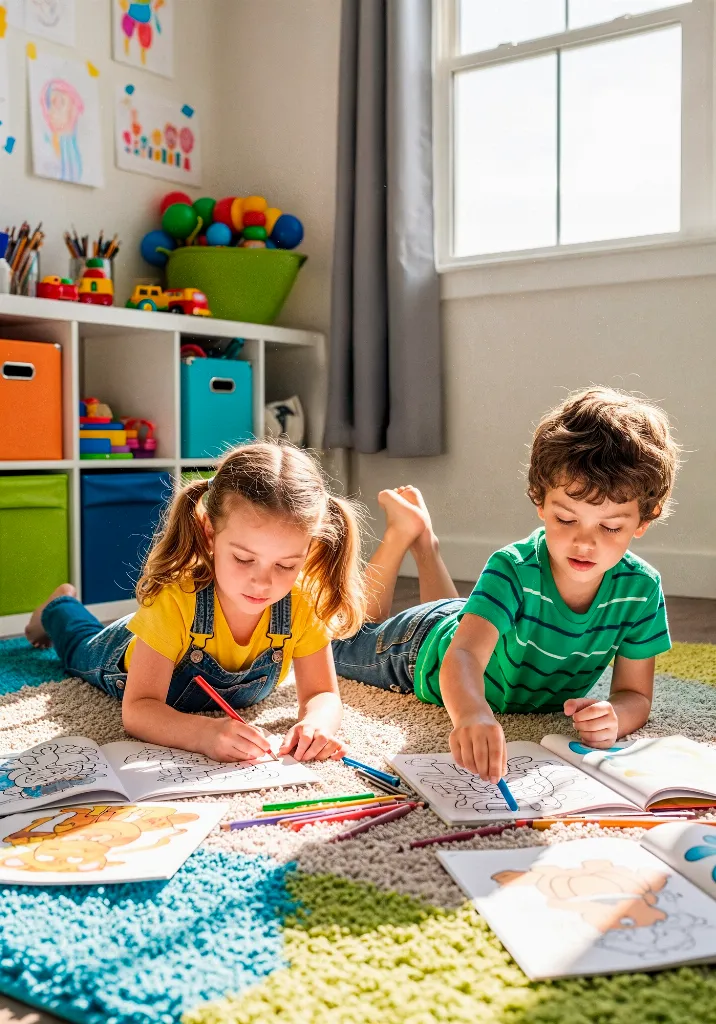
 Crayon time is an easy, low-cost way to help children learn. In this article you will find simple ideas you can use today to build #crayons skills, #creativity, #finemotor control, #color recognition, and joyful #play in your classroom. The tips are written for child care providers and directors who want fast, practical plans. I’ll share why this matters, step-by-step activities, setup ideas, safety notes, and quick ways to track progress.
How do crayons help build fine motor control and creativity?
1. Crayons ask children to use small hand muscles. Holding, pressing, and moving a crayon helps the thumb, index, and middle fingers work together. That builds the pencil-ready tripod grasp teachers watch for. ChildCareEd describes many simple ways crayons and other tools support fine motor growth in Crayons, Chopsticks, and Cheerios.
2. Crayon work is often open-ended art. When children choose colors and marks, they practice making decisions and expressing ideas. This kind of process art grows confidence and language, as shown in Open-Ended Art Activities That Build Confidence in Preschoolers. Use simple teacher language like: “I notice you chose the bright blue.”
3. Color work teaches observation and early science: mixing marks, layering, and comparing shades helps children see cause and effect. Try a short guided color-mixing demo and then let children explore freely, a tip inspired by ChildCareEd’s color-mixing and process art materials.
4. Why it matters: strong #finemotor control supports dressing, using utensils, and handwriting later. Creative choices support social-emotional growth and language. Crayon play is small, powerful practice.
What simple crayon activities can I use right away?
Here are easy activities you can set up with common materials. Each idea includes a quick goal so staff know what skill to watch.
- 🖍️ DIY Scratch Art with crayons and black paint — Goal: careful coloring pressure and controlled scratching. Try the DIY method from ChildCareEd: Unlocking Creativity and Fine Motor Skills with DIY Scratch Art and the short activity post Kids Scratch Art Activity.
- 🎨 Color-mixing charts — Goal: cause-and-effect and vocabulary. Use simple guided blotches and let kids mix to see new shades (see color-mixing guides used in preschool lessons).
- ✂️ Crayon resist (wax + watercolor) — Goal: plan-and-predict. Children draw with crayon, then paint over it to reveal resist marks.
- 🧵 Short crayon stubs in a sensory tray for sorting — Goal: pincer grasp and sorting by color.
- 🖼️ Open-ended drawing invitations — Goal: storytelling and language. Offer a prompt like “Draw something that makes you proud.” Follow advice from ChildCareEd on process art to encourage choice and voice. You can also include simple logic and problem-solving invitations such as mazes and visual puzzles that build planning and visual-motor control; see ChildCareEd's Creativity & Logic Activities for maze-based ideas.
- 🍽️ Crayon-strength activities during routines — Goal: practical practice. For example, have children color labels for snack cups or make name tags (connects to daily literacy).
Tip: break crayons in half or use short pieces to encourage a tripod grasp. Also try vertical surfaces (easels or taped paper on the wall) to improve wrist posture.
How do I set up centers, routines, and keep crayon play safe?
1. Set up simple zones. Number and label 3–4 crayon tubs: (1) Scratch Art, (2) Open Drawing, (3) Color-Mixing, (4) Fine Motor Crayon Jobs. Pictures and short instructions on each tub help kids work independently.
2. Use routines: 1) invite, 2) work time, 3) gallery or share, 4) tidy. Teach the clean-up as part of the activity. Rotations of 12–20 minutes fit preschool attention spans.
3. Safety and licensing: choose non-toxic, ASTM-labeled crayons and child-safe paint. Keep small pieces away from under-3s and supervise younger children during bead or stringing parts. Remember: state requirements vary - check your state licensing agency. For toy and material safety guidance see general tips like those in Choosing Safe Toys for Toddlers and Preschoolers.
4. Practical storage: keep extra broken crayon pieces in a labeled jar for sorting tubs; store toothpicks and sharp tools (for scratch art) locked until needed. Use trays to limit mess and have a drying rack for painted work. ChildCareEd center ideas and printable resources can help you plan labeled centers: Center Ideas for your preschool classroom Buy Now $0.00.
5. Supervision tips: model one short demo, use descriptive language, and circulate with quick feedback. Keep an accessible first-aid kit and clean-up plan for unexpected spills.
How do I measure progress, avoid mistakes, and include every learner?
1. Quick observations to track: grip quality (fisted vs tripod), pressure control (light vs heavy), ability to stay in a space, and language about colors. Use a simple checklist once per week and note small changes.
2. Common mistakes and fixes:
- 🛑 Mistake: Forcing identical results (product art only). Fix: add open-ended invitations so children make choices. See ChildCareEd’s guidance on balancing process and product art: Process Art or Product Art.
- ⚠️ Mistake: Too-hard tasks. Fix: simplify (larger crayons, bigger paper) and grade up slowly.
- ❗ Mistake: Ignoring sensory needs. Fix: offer quiet crayon stations or alternate low-mess options for children who need them.
3. Adapting for diverse learners: 1) Give weighted crayons or grip supports for kids who need help. 2) Offer larger paper or vertical drawing for kids who need shoulder movement. 3) Use parallel tasks so children at different levels can join the same invitation.
4. FAQ (quick answers for staff):
- Q: How often should we do crayon time? A: Daily short invitations plus 1–2 longer open-ended art sessions per week work well.
- Q: Will parents expect pictures that look “perfect”? A: Share photos and notes about the process to explain learning — ChildCareEd suggests documenting process to show families the skills behind the art. Consider planning simple family gift projects — like footprint or handprint art for Father's Day — to share at pick-up or conferences; see Father's Day footprint art ideas for creative, preschool-friendly examples.
- Q: What if a child presses too hard? A: Offer thicker crayons and soft surfaces (paper over a foam mat) and praise controlled marks.
- Q: Can crayons be used for sensory play? A: Yes. Melted crayon shavings in a supervised project or crayon-resist activities add texture and sensory learning.
Conclusion
Crayon activities are simple, friendly, and full of learning. Use these ideas to plan short, meaningful invitations that build #finemotor strength, #color knowledge, and #creativity. Start with 2 tubs, rotate the invitations, keep materials safe and labeled, and record one small observation per child each week. For more inspiration and training, explore ChildCareEd’s articles and short courses on open-ended art and fine motor development like Open-Ended Art Activities and Crayons, Chopsticks, and Cheerios. Your classroom crayon table can be both playful and powerful — small marks, big learning.
- Many Colors, One Canvas: MD ECE Conference
- CDA Home Visitor Subject Area 2 Part 3 Birth to 5
- Balancing Physically Active Play in Child Care
- Easy Steps to Resume and Interview Success
- From Tantrums to Triumphs: Equipping Preschoolers with Self-Regulation Skills
- Moving About the Classroom: Effective Transitions for Everyday
- Art from the Heart for Preschoolers: Open Ended Art Projects that Build Self-Esteem
- Balancing Active Play in Child Care
- Montessori Cultural Activities: Exploring the World Through Play and Learning
- Creativity & Logic Activities
- Unlocking Creativity and Fine Motor Skills with DIY Scratch Art
- Developing Skills Through Fall Crafts in Childcare
- Cultivating Literacy, Language, and Cultural Awareness: The Hanukkah Minibook in Early Childhood Education
- Pumpkins, Pinecones, and Leaves: Autumn-themed STEM Projects
- Pumpkin Spice and Sensory Delight: Easy Autumn Sensory Bins for Early Learners
- Crayons, Chopsticks, and Cheerios: Surprising Ways to Boost Fine Motor Skills in Kids
- Counting Candy Canes: The STEM of Holiday Fun for Early Learners
- Pascua En El Aula: Actividades Sencillas Para Aprender y Celebrar Con Seguridad
- Actividades de Motricidad Gruesa que Desarrollan el Equilibrio, la Coordinación y la Fuerza
- Actividades de Otoño Fáciles para Preescolares esta Temporada
- How Do Art Activities Support Cognitive Growth in North Dakota Preschoolers?
- How Do Art Activities Support Cognitive Growth in North Dakota Preschoolers?
- Calabazas, hojas y manzanas: actividades de otoño para preescolares
- Why Do Kids Like Coloring? Crayons, Creativity, and Learning
- Crayon Activities for Preschoolers: Color, Creativity, and Fine Motor Skills
- Crayon Activities That Support Toddler Development
- Fun Crayon Activities for Toddlers and Preschoolers
- Can doodling and drawing build fine motor skills and creativity?
- How Do Mazes Strengthen Pencil Control and Problem-Solving in Preschool?
